Tooth pain has a way of quietly interrupting daily life—first as a faint twinge, then as a persistent reminder that something isn’t quite right.
Naturally, many people pause and ask themselves, can a cavity heal itself? It’s a reasonable question, especially when modern healthcare often emphasizes the body’s ability to repair and regenerate.
Yet teeth play by different rules. In dental practices that focus on prevention and patient education—such as Cap Dental—this question comes up often, because understanding the limits of natural healing can prevent long-term damage and unnecessary discomfort.
A cavity is a permanently damaged area of a tooth that develops into a small hole or opening due to tooth decay. It occurs when acids produced by bacteria erode the tooth’s hard outer layer.
Decay begins when sugars and carbohydrates remain on the teeth, feeding bacteria that produce acid. Over time, repeated acid exposure weakens enamel.
Plaque acts as a sticky shelter for bacteria, allowing acids to stay in contact with enamel longer than they should.
Enamel damage may be reversible, while a cavity represents structural loss that cannot self-repair.
Tooth decay progresses in predictable stages, each with different symptoms and treatment needs. Recognizing these stages early allows dentists to intervene before permanent damage occurs, often preserving more of the natural tooth.
This initial stage occurs when acids begin stripping minerals from the enamel, creating chalky white spots. At this point, no physical hole exists, and the damage may still be reversible with fluoride, improved oral hygiene, and dietary adjustments.
As mineral loss continues, the enamel weakens and eventually collapses, forming a small cavity. Once the enamel surface breaks, the tooth loses its natural defense, and decay accelerates rapidly.
When decay reaches the dentin, sensitivity becomes more noticeable because dentin is softer and contains tiny nerve pathways. Without treatment, bacteria spread faster at this stage, increasing the risk of pain and infection.
In advanced decay, bacteria reach the pulp where nerves and blood vessels reside. This stage often causes severe pain, swelling, or abscesses and typically requires root canal therapy to save the tooth.
Whether a cavity can heal depends entirely on how early the decay is detected. While teeth have some ability to recover from minor mineral loss, they cannot repair structural damage on their own.
Enamel lacks living cells, meaning it cannot regenerate once destroyed. Any portion of enamel that breaks away is permanently lost.
If decay is limited to mineral loss without surface breakdown, remineralization can strengthen enamel and stop further progression. This window is small but critical.
Once decay forms a cavity, professional treatment such as fillings is necessary to prevent deeper damage and restore function.
Remineralization is the natural process by which minerals are redeposited into weakened enamel, helping restore strength and resistance to acid.
Calcium and phosphate rebuild enamel crystals, making them harder and less susceptible to acid attacks.
Saliva neutralizes acids and acts as a delivery system for minerals, playing a vital role in enamel repair.
Remineralization cannot rebuild lost tooth structure or repair cavities that have already formed.
Early detection and prevention are central to minimizing invasive dental procedures.
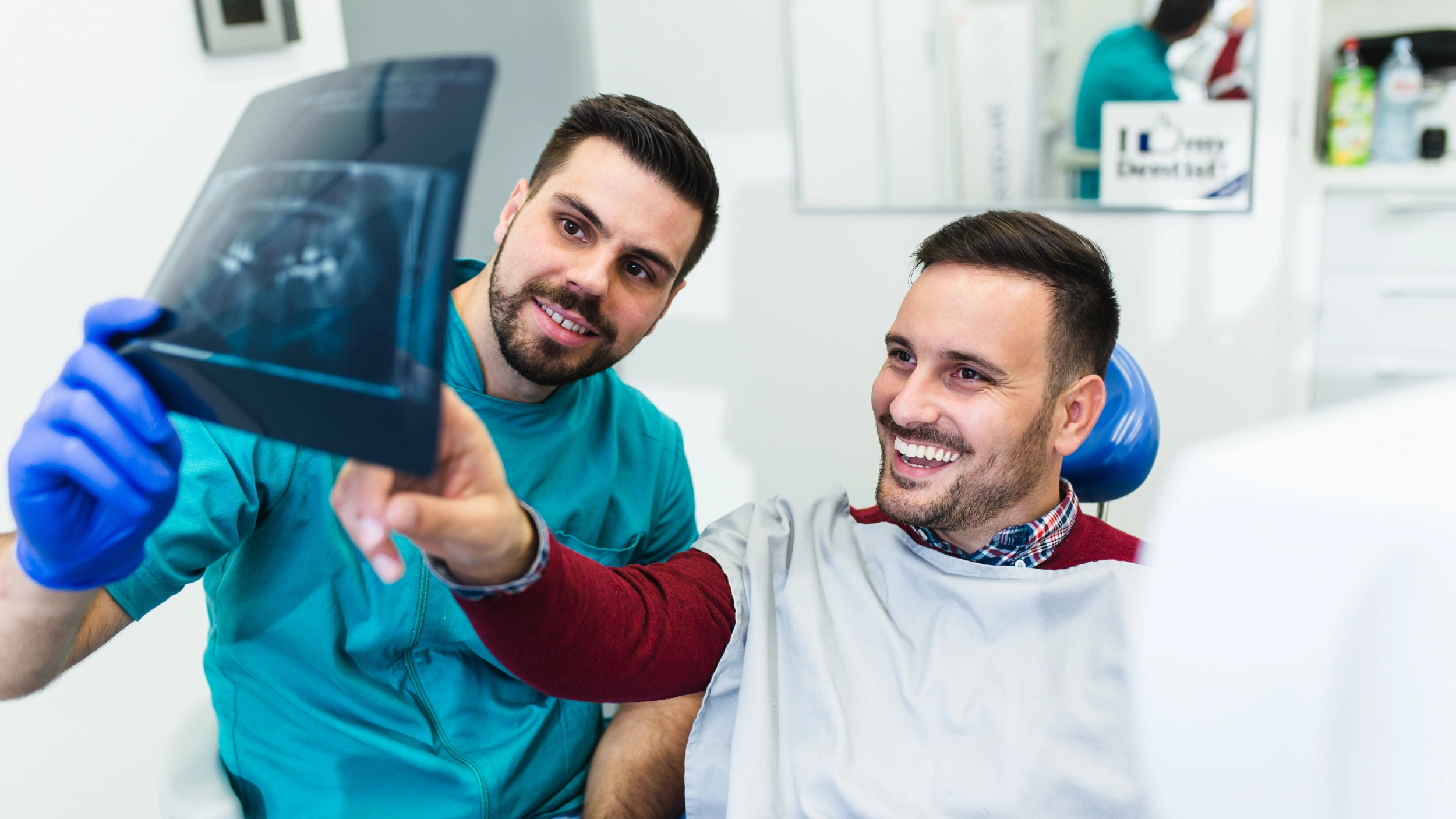
Advanced imaging allows dentists to identify decay before it becomes visible or painful.
Each patient receives tailored recommendations based on risk factors such as diet, saliva flow, and oral habits.
Minimally invasive care helps maintain the tooth’s natural structure whenever possible.
Understanding what the tooth can naturally recover from helps set realistic expectations for treatment.
These early signs of demineralization often respond well to fluoride and improved hygiene.
Mild weakening may stabilize with preventive care if caught early.
Once decay reaches dentin, professional intervention is required.
Early tooth decay often develops quietly, making it easy to overlook. Recognizing subtle changes can help prevent minor enamel damage from progressing into a full cavity.
White or chalky areas on the tooth surface are often the first visible sign of mineral loss. These spots indicate weakened enamel and should be addressed promptly to encourage remineralization before permanent damage occurs.
Early decay may cause brief sensitivity to cold, sweet, or acidic foods. While the discomfort is usually mild, it serves as an early warning that enamel is beginning to thin.
A tooth that feels rough or uneven may signal early enamel erosion. This change often becomes noticeable to the tongue before it is visible to the eye.
As decay progresses, symptoms become more pronounced and less likely to resolve without treatment. These signs indicate that the tooth structure has already been compromised.
Ongoing or spontaneous tooth pain typically suggests that decay has reached deeper layers of the tooth. At this stage, natural healing is no longer possible.
Dark discoloration or visible pits in the tooth surface are clear indicators of structural damage. These cavities will continue to worsen without professional care.
Pain when chewing or exposure to heat often means decay has reached the dentin or pulp. This level of sensitivity requires prompt dental evaluation.
Fluoride plays a critical role in protecting teeth against decay by strengthening enamel and slowing bacterial activity.
Fluoride helps replace lost minerals and forms a more acid-resistant surface on the enamel. This process makes teeth better equipped to withstand daily acid exposure.
Regular use of fluoride toothpaste and mouthwash provides ongoing protection. Consistency is more important than strength when it comes to daily fluoride use.
In-office fluoride applications deliver higher concentrations that provide extended protection. These treatments are especially beneficial for patients at higher risk of decay.
Diet strongly influences oral health, either supporting enamel repair or accelerating decay. Small dietary changes can have a significant impact over time.
Limiting sugary and acidic foods reduces the fuel available for harmful bacteria. This helps lower acid production and protects enamel from erosion.
Calcium-rich foods, leafy greens, and nuts provide essential nutrients that strengthen teeth. These foods help maintain a balanced oral environment.
Frequent snacking exposes teeth to repeated acid attacks. Even small amounts of sugar can be harmful when consumed often throughout the day.
Good oral hygiene is the foundation of cavity prevention and early decay control. Consistent habits make a measurable difference.
Brushing twice daily with gentle pressure removes plaque without damaging enamel. Proper technique ensures all tooth surfaces are effectively cleaned.
Flossing removes plaque and food particles between teeth where cavities commonly form. Skipping floss allows decay to develop unnoticed.
Regular plaque removal prevents bacteria from producing prolonged acid exposure. This step is essential for maintaining enamel strength.
Many people explore alternative approaches, but it is important to understand their limitations.
These nutrients support strong teeth and bones but cannot repair existing cavities. They are most effective as part of a preventive routine.
Despite popular claims, no scientific evidence supports these methods for reversing cavities. They may improve oral freshness but not tooth structure.
Natural remedies cannot rebuild enamel or dentin once they are lost. Professional treatment remains necessary for cavities.
Ignoring decay allows it to progress unchecked, leading to more serious consequences.
Bacteria continue destroying tooth structure, making treatment more complex over time.
Advanced decay can cause infection, swelling, or abscess formation, posing health risks.
Delays often result in crowns, root canals, or extractions.
Once decay advances, treatment restores function and prevents further damage.
Accurate detection allows for timely and conservative treatment.
Prevention remains the most effective strategy against tooth decay.
Prompt evaluation at Cap Dental prevents minor issues from becoming major problems.
At Cap Dental, we provide comprehensive, patient-focused dental care designed to keep your smile healthy at every stage of life. As a family-owned general dentistry practice co-founded by sibling dentists, we combine clinical expertise with compassionate care in a welcoming environment.
Our Boynton Beach dental office offers a full range of services in one convenient location, including cleanings, implants, braces, root canals, and preventive dentistry. Our bilingual team ensures clear communication and personalized treatment plans, with flexible Saturday hours to fit your schedule.
Located on S. Congress Ave in Boynton Beach, we proudly serve patients from Delray Beach, Lake Worth, Lantana, Palm Beach, and Wellington. Patients regularly travel from surrounding areas for our gentle, detail-driven approach and commitment to pain-free care.
Cap Dental accepts most major PPO insurance plans, including Cigna, Aetna, and Delta Dental. For patients without insurance, we offer an In-House Discount Plan and flexible financing options through CareCredit, Sunbit, Cherry, and Alphaeon to make quality dental care affordable.
Visit us at 2300 S Congress Ave #110, Boynton Beach, FL 33426. We are open Monday through Friday from 9:00 AM to 5:00 PM, with Saturday hours from 9:00 AM to 3:00 PM.
Schedule your appointment or call us today and experience dental care built on trust, comfort, and long-term oral health.

So, can a cavity heal itself? In its earliest stage, enamel damage may be reversed—but once a cavity forms, professional care is essential. The key lies in early detection, consistent habits, and guidance from experienced dental professionals.
Cap Dental emphasizes preventive care and patient education, helping individuals protect their natural teeth before minor issues turn into major concerns.
Fluoride can reverse early enamel damage but cannot repair formed cavities.
It may take several weeks or months depending on habits and oral health.
Without intervention, cavities typically continue to progress.
Cap Dental focuses on early detection, personalized prevention, and conservative care.