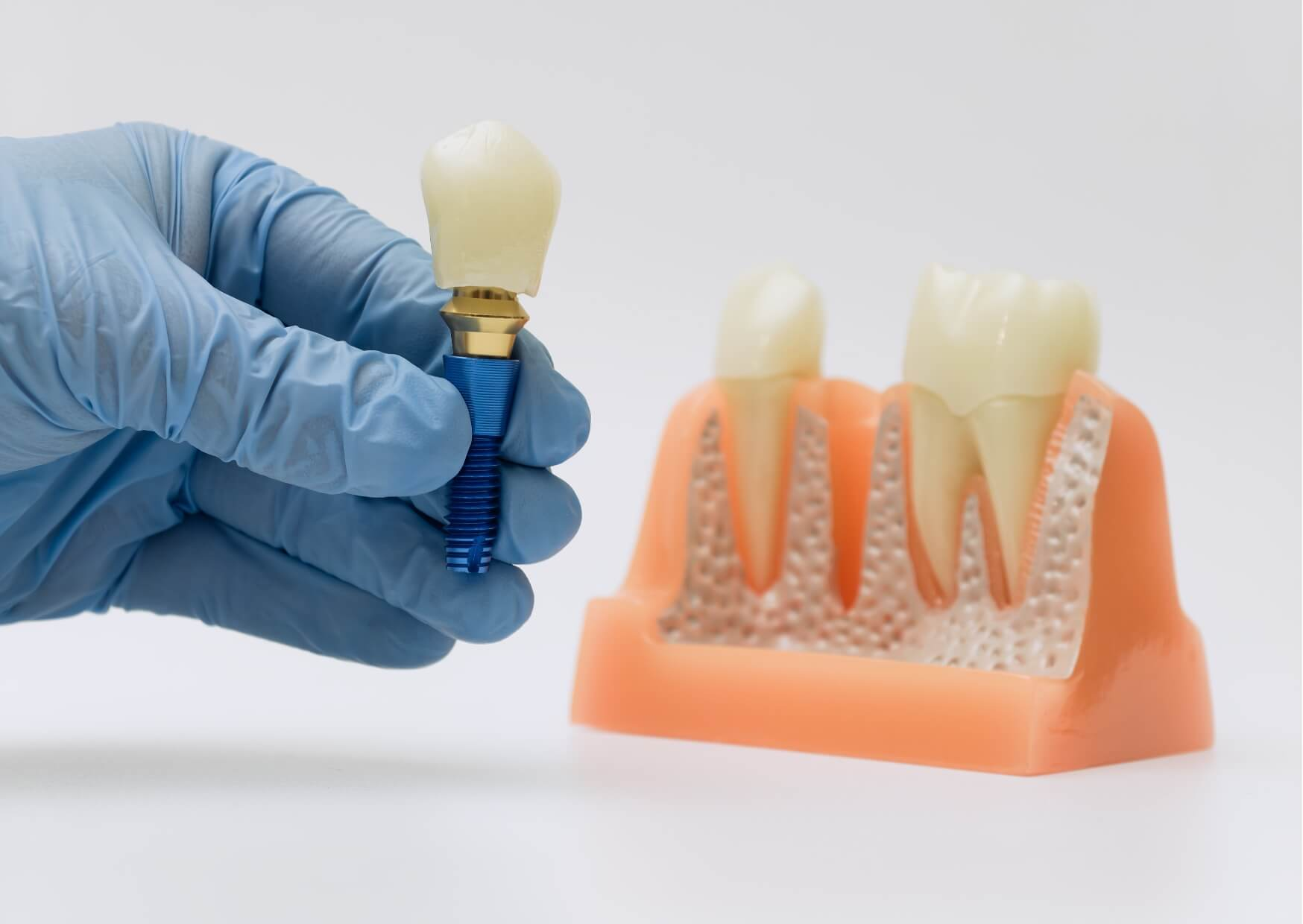
A dental implant is usually presented as the reliable overachiever of tooth replacement. Strong, stable, built to last. Then real life shows up, something goes wrong, and suddenly the question is not whether implants are great in theory, but whether this one needs to come out.
So yes, dental implants can be removed. The more useful question is why removal is needed, how involved it may be, and what treatment makes sense after that.
In most cases, implants are meant to stay in place for many years. Removal is usually considered only when the implant did not integrate properly, developed a serious infection, fractured, loosened, or was placed in a position that does not support a healthy bite or restoration.
That matters because implant removal is not a cosmetic reset button. It is a clinical decision meant to protect bone, gum tissue, nearby teeth, and the long-term success of whatever comes next.
Cap Dental in Boynton Beach, FL offers oral surgery for implant evaluation and removal, the kind of service this article is about.
Most implants do very well, which is why removal is not routine. When it does happen, there is usually a clear reason, not just a vague feeling that the implant and the mouth are no longer getting along.
A dentist may recommend removal because of implant failure, infection, damage to the implant, or poor placement. Failure can happen early if the implant never bonds well with bone, or later after years of use.
Removal may also be necessary if the implant causes ongoing pain, interferes with the bite, or makes the final crown hard to place or clean. Sometimes the implant is still in the bone, but it is not functioning in a healthy or predictable way.
Not every sore implant needs to be removed. Sometimes the problem is with the crown, abutment, bite forces, or surrounding gum tissue rather than the implant itself.
Dentistry, like hospitals, sometimes acts as if every problem can be solved with one more consult and a slightly more serious expression. Sometimes that is true. Sometimes the cleaner answer is to stop defending a failing implant and deal with the actual problem.
Some complications can be treated without removing the implant. A loose crown screw, excess cement, bite imbalance, or mild inflammation may be manageable if the implant body is still stable.
Removal becomes more likely when there is progressive bone loss around the implant, a deep infection that is not improving, a fractured implant, or severe malposition. If keeping the implant would make future treatment less predictable, removal may be the safer choice.
A second opinion can be reasonable when the recommendation is not clear-cut. That is especially true if the implant is not painful and the concern is mostly esthetic or restorative convenience.
This is where people tend to imagine either a dramatic surgical ordeal or a quick twist-and-done miracle. In reality, implant removal can be fairly simple or more involved, depending on how firmly the implant is attached and how much healthy bone surrounds it.
If the implant is already loose, removal may be straightforward. If it is firmly integrated, the dentist or oral surgery team may use a specialized instrument to reverse it out or may need to remove a small amount of surrounding bone to free it.
The goal is not to win a grudge match with titanium. The goal is to remove the implant while preserving as much healthy bone and gum tissue as possible.
Some sites can receive a replacement implant later. Others need time to heal first, often with bone grafting to rebuild support.
Not always, but often that is the long-term goal. Whether another implant is possible depends on why the first one failed or had to be removed.
If the problem was early failure, poor position, or another local issue that can be corrected, another implant may still be a good option after healing. If there has been major bone loss, uncontrolled gum disease, smoking-related healing problems, or heavy bite overload, the plan may need to change first.
In some cases, a bridge or removable prosthesis makes more sense. That may be less glamorous, but the best treatment is the one that is healthy, stable, and maintainable.
A careful evaluation usually looks at bone levels, gum health, bite forces, oral hygiene access, and the reason the first implant did not succeed. Repeating the same plan without fixing the original problem is not optimistic. It is just expensive repetition.
Recovery depends on how complex the removal was and whether grafting was done. Mild soreness, swelling, and temporary chewing difficulty are common after many oral surgery procedures.
Your dentist will usually monitor how the gum and bone heal over time. If a future implant is planned, the site may need several months of healing before the next step.
Call the dental office promptly if there is worsening pain, swelling, pus, fever, or persistent bleeding. Those symptoms may point to infection or another complication that needs timely care.
It is also important to report numbness, sinus symptoms after an upper implant procedure, or a bite that suddenly feels unstable. Those details can matter more than patients are sometimes led to believe during the cheerful discharge speech.
Some implant problems can wait a day or two for a scheduled visit. Others deserve faster attention.
Seek urgent dental evaluation for severe swelling, spreading facial swelling, pus, a bad taste with increasing pain, significant bleeding, a suddenly loose implant, or pain that is getting worse instead of better. If there is trouble breathing, trouble swallowing, chest symptoms, or rapidly worsening swelling, seek emergency medical care.
If you have severe or rapidly progressing symptoms, Cap Dental also provides emergency care for urgent dental problems in the Boynton Beach area.
Persistent numbness, sharp electric pain, or pressure near the sinus also deserve prompt review. Those symptoms do not always mean permanent injury, but they should not be brushed off as routine healing.
The honest answer to whether dental implants can be removed is yes, but usually for a reason that deserves a proper diagnosis. A stable, healthy implant is not casually removed, and a failing implant should not be defended just because someone worked hard to place it.
Good implant care is less about loyalty to the hardware and more about protecting the mouth around it. If an implant is painful, loose, infected, or simply not working in a way that can be predictably corrected, an evaluation can help clarify whether repair, monitoring, or removal makes the most sense.
That is usually the point where the noise drops away. Beneath the hierarchy, the billing codes, and the titanium mythology, the real goal is simple: keep treatment safe, functional, and worth living with.
Cap Dental in Boynton Beach, FL offers oral surgery for implant removal and replacement and serves patients from nearby Lake Worth and West Palm Beach; call (561) 560-8787 to schedule an evaluation.
Yes, in many cases. Replacement may be possible right away or after a healing period, depending on bone quality, infection, and the reason the implant failed.
The procedure is typically done with local anesthesia and, when appropriate, sedation. Some discomfort afterward is expected, but the amount varies based on how integrated the implant was and whether grafting was needed.
Possible warning signs include looseness, ongoing pain, swelling, pus, gum recession, or bone loss seen on imaging. These signs do not always mean removal is necessary, but they should be evaluated.
Yes. Implants can be removed even after many years, although long-standing implants may be harder to remove if they are firmly integrated.
Bone may heal on its own in some cases, but bone grafting is sometimes recommended to preserve or rebuild the site. That can improve future options for another implant or another form of tooth replacement.