Trying to understand the cost of dental implants can feel like comparing completely different products. One office gives a number that seems reasonable, another hands over a much higher estimate, and somewhere in between you hear, “It depends,” which is accurate but not especially helpful.
The frustrating part is that dental implant costs are not arbitrary. It changes for real clinical reasons, differences in materials, and how thoroughly a case is planned. Some of those reasons are valid, while others deserve a closer look.
At Cap Dental in Boynton Beach, implant consultations focus on explaining those differences clearly. Our goal is to help patients understand what is included, what affects pricing, and where shortcuts can lead to problems later.
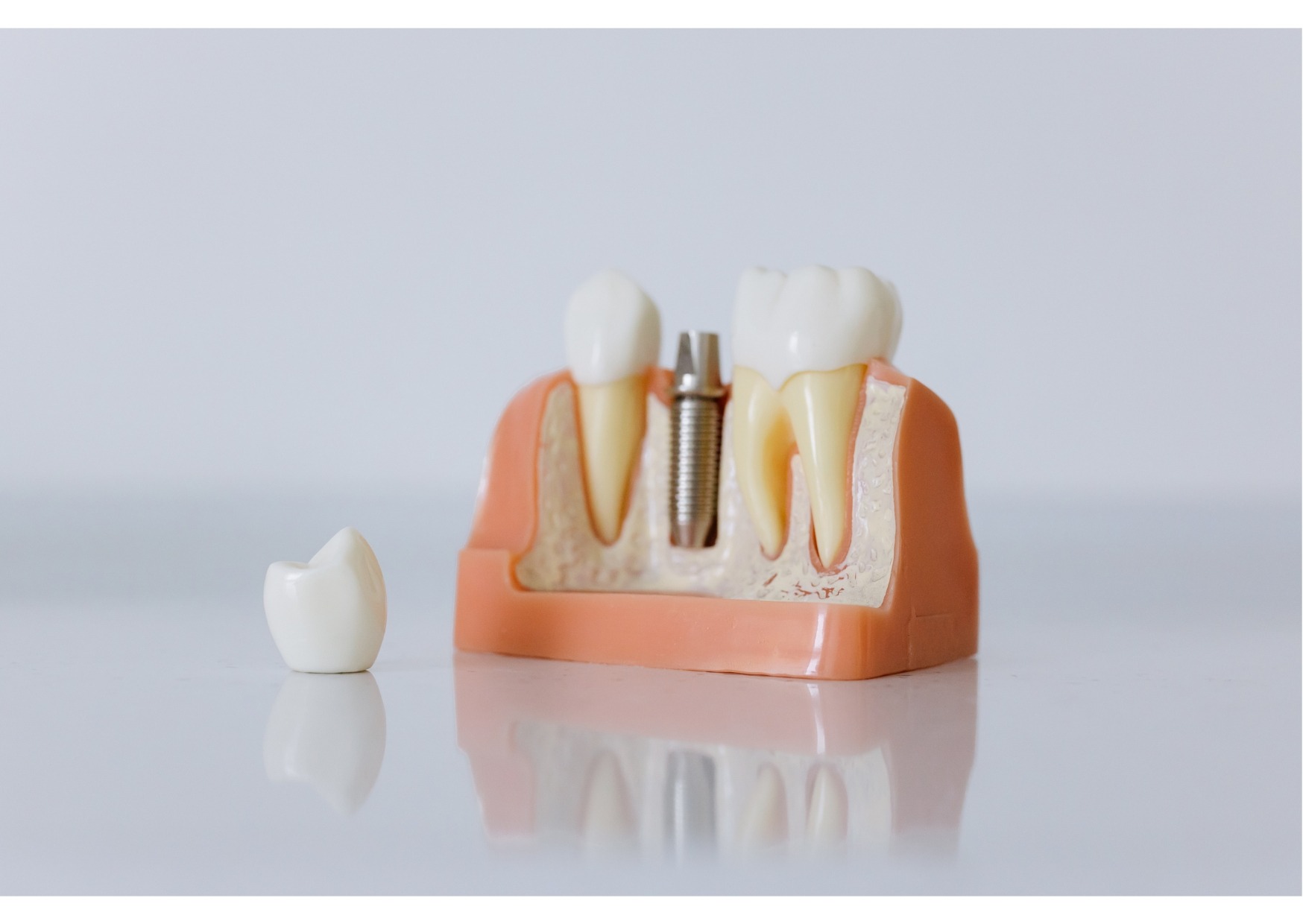
A dental implant is not just a single procedure. It is a sequence that includes diagnosis, surgical placement, healing, and the final restoration. Each step contributes to the total cost of dental implants.
Some offices quote only the implant post, while others include the full process. A complete estimate may cover consultation, 3D imaging, implant placement, the abutment, and the crown, along with any necessary preparatory work.
When two prices look very different, the first question should be what is included. That one question often explains most of the gap and prevents confusion later.
The jaw is not a standardized environment. Bone density, gum health, bite pressure, how long a tooth has been missing, and conditions like dental caries and cavities all affect how predictable the procedure will be. These factors directly influence the cost of dental implants.
Replacing a single tooth is usually more straightforward than rebuilding multiple teeth or a full arch. Front teeth often require more precision because small differences in shape or gum contour are easy to notice.
Location and provider approach also matter. Fees may reflect the use of advanced imaging, higher-quality lab work, and more detailed planning. That does not automatically mean better care, but it often means more is being accounted for.
Many estimates present a single number without explanation. A clearer approach breaks treatment into parts so patients can see where the cost of dental implants comes from.
| Part of Treatment | What It Means | Why It May Affect Cost |
| Consultation and exam | Review of symptoms, gum health, bite, and medical history | More complex planning may take more time |
| Imaging | Standard dental X-rays or a 3D CBCT scan, which is a cone beam CT image | 3D planning can improve precision, especially in difficult areas |
| Tooth extraction | Removal of a damaged or unsalvageable tooth if still present | Surgical difficulty varies by tooth and condition; some cases require oral surgery |
| Bone grafting | Adding bone material where the jaw has thinned | Needed in some cases to support an implant safely; this may involve oral surgery or a dental bone graft |
| Implant placement | Surgical insertion of the implant into the jawbone | Technique, materials, and complexity matter |
| Healing phase | Time for the implant to bond with bone, called osseointegration | Temporary solutions may be needed during this period |
| Abutment and crown | The connector and final replacement tooth | Material choice and lab quality affect appearance and durability; ask about crowns & bridges |
| Sedation | Medication to reduce anxiety or improve comfort during treatment | Not every patient needs it, but some cases are easier with it |
A lower quote often excludes one or more of these steps. That can make the initial price look appealing, but the total cost may increase once missing components are added back in.
A single implant is the simplest scenario, but even then, cost varies depending on location and whether additional procedures are needed. In cases where a tooth is still intact but cosmetically compromised, options like veneers may be discussed instead of extraction and implant placement.
Multiple implants increase cost, though not always evenly. Some steps, like imaging, are shared, while surgical time and lab work increase with each implant. In some cases, implant-supported bridges may be considered instead of placing an implant for every missing tooth.
Full-arch treatment is more complex and often more expensive. It involves multiple implants, temporary teeth, and extensive lab work, which is why advertised “starting prices” can be misleading if they do not include the full treatment.
Once a tooth is lost, the surrounding bone often shrinks over time. This is normal biology, but significant bone loss can limit support or affect implant positioning, which may impact appearance, cleaning, and long-term stability.
This is where bone grafting becomes necessary. It adds or preserves bone in areas that have thinned and may be done at the time of extraction, before implant placement, or during surgery, depending on the case. While it can increase the cost of dental implants and extend the timeline, it is often essential for creating a stable foundation.
Patients do not need to understand every technical detail. What matters is whether the provider clearly explains why grafting is recommended and how it affects the overall treatment plan.
Lower pricing can sometimes mean fewer diagnostic steps or simplified treatment planning. Important elements like 3D imaging or high-quality restorations may be excluded.
The implant itself is only part of the equation. Planning, placement accuracy, and the quality of the final crown all affect the outcome. Research on the success rates of dental implants shows that outcomes depend heavily on proper planning and execution, not just the implant itself.
Case selection is another factor. Not every patient is suited for fast or same-day solutions, even if those options sound appealing. A more cautious approach may take longer but often leads to better results.
Insurance coverage for implants is inconsistent. Some plans cover portions of treatment, while others exclude implants entirely and only cover alternatives.
Before starting, ask for a written estimate that outlines expected coverage and out-of-pocket costs. This is especially important when additional procedures like grafting are involved.
Financing can make treatment more manageable, but terms should be reviewed carefully. Monthly payments can look reasonable while the total cost over time is significantly higher.
Comparing estimates becomes easier when the same questions are asked at each office. This helps identify what is actually different rather than focusing only on price.
A clear plan with fewer unknowns is often more valuable than a lower number. The cost of dental implants should reflect a complete and realistic treatment approach.
If you already have an implant concern, cost should not be the only question. Certain symptoms require prompt evaluation because they may indicate infection or another developing issue.
These symptoms do not always mean implant failure, but they should not be ignored. Early evaluation can prevent more serious complications. Additional concerns include:
Waiting may allow a manageable problem to worsen. General information can help with context, but persistent or worsening symptoms should be examined by a dental professional.
The cost of dental implants can feel high, but it reflects a full process, not a single item. You are paying for diagnosis, planning, surgery, healing, and a restoration designed to function like a natural tooth. Understanding that makes the numbers easier to evaluate.
Not every higher-priced plan is justified, and not every lower quote is complete. The goal is informed decision-making, not guesswork. Ask what is included, why the plan fits your case, and what could change along the way.
A well-structured implant plan should feel clear and deliberate. If you want a straightforward estimate and a treatment plan that makes sense, contact Cap Dental in Boynton Beach at (561) 560-8787 to schedule your consultation. We see patients from Lantana to West Palm Beach and can discuss financing and timelines.
The difference may reflect what is included, the complexity of the case, the need for grafting, the quality of the lab work, the imaging used, and the experience of the treating team. A higher quote is not automatically better, but a lower quote may leave out important steps.
Not always. Some offices quote the surgical implant separately from the abutment and crown. It is worth confirming exactly what the fee covers before treatment begins.
That depends on oral health, goals, budget, and whether an implant is the right option for the specific site. For many patients, implants can offer strong function and stability, but a dental exam is needed to decide whether the benefits justify the cost in that case.
Sometimes, but coverage varies a lot. Some plans cover part of treatment, while others exclude implants and cover only alternatives. A pre-treatment estimate from the office can help clarify expected out-of-pocket costs.
Seek prompt dental care for severe pain, swelling, fever, drainage, a loose implant, or symptoms that are getting worse. Those signs may indicate infection or another issue that should not wait.