Dental bonding cost in the United States usually ranges from about $300 to $600 per tooth, though some cases fall below or above that range. The final price depends on how many teeth need treatment, how complex the repair is, local office fees, and whether insurance views the procedure as restorative or cosmetic.
General tooth bonding cost estimates are useful for comparison, but they do not replace a personalized exam. A dentist needs to perform a dental exam before giving an exact estimate. Decay, bite problems, or deeper tooth damage can change the treatment plan and the total cost.
If you're weighing options for repairing a chipped, discolored, or slightly misshapen front tooth, dental bonding can restore appearance with minimal removal of enamel. Cap Dental in Boynton Beach can explain expected results, typical costs, and whether bonding suits your tooth so you can compare options confidently.
Dental bonding uses a tooth-colored composite resin to repair or reshape a tooth. It is often used for small chips, narrow gaps, discoloration, exposed roots, or minor shape changes.
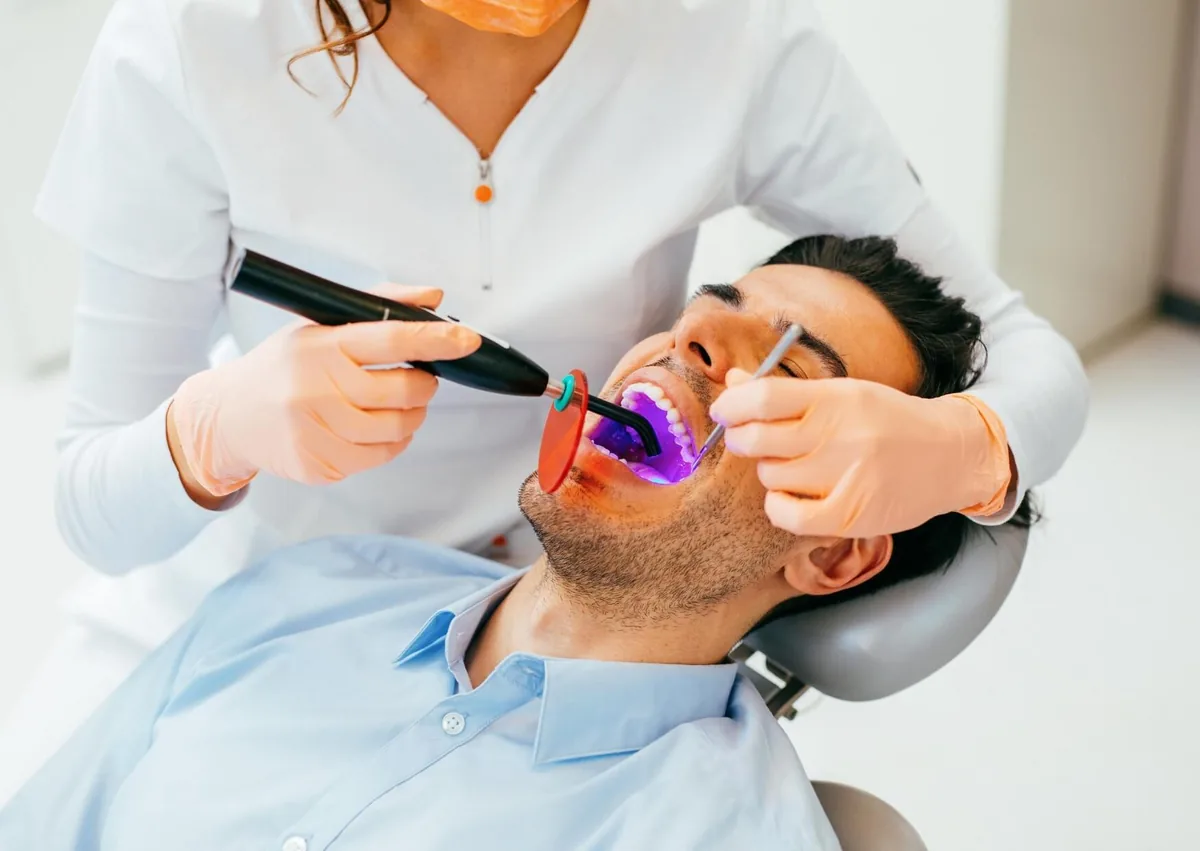
The fee usually includes shade matching, tooth preparation, placement of the resin, shaping, curing with a light, and polishing. Ask whether the quote also includes the exam, X-rays, bite adjustments, or future touch-ups, since offices may bill those separately.
Bonding is often completed in one visit. It also usually requires little or no removal of healthy enamel.
Dental bonding cost is often charged per tooth, but the price can vary even between similar-looking cases. The main reason is that some repairs take more time, material, or planning than others.
Key cost factors include:
Very low advertised prices may apply only to a small and simple repair. A written estimate should list the teeth being treated, the planned procedure, and any separate charges.
Bonding often costs less upfront than porcelain veneers or crowns, but these treatments are not interchangeable. The right choice depends on the amount of remaining tooth structure, your bite, the tooth location, and the result you want.
For a deeper look at veneers, see our understanding veneers article.
|
Option |
Common Use |
Relative Initial Cost |
Key Consideration |
|---|---|---|---|
|
Composite bonding |
Small chips, gaps, shape or color changes |
Lower |
Conservative, but can stain or chip |
|
Porcelain veneer |
Larger cosmetic changes on front surfaces |
Higher |
More stain-resistant, but requires laboratory work and often enamel removal |
|
Dental crown |
Heavily damaged or weakened tooth |
Higher |
Covers the tooth and may provide more structural protection |
A lower starting price does not always mean the best long-term value. A dentist can explain whether bonding is likely to hold up well under your bite forces and habits.
Insurance may help cover dental bonding cost when the treatment restores decay, repairs a broken tooth, or protects an exposed area. It often does not cover bonding done only to improve the look of a healthy tooth.
Coverage depends on your deductible, annual maximum, waiting periods, frequency limits, and the plan's allowed fee. Before treatment, ask for a written estimate and request a pre-treatment estimate from your insurer, understanding that it is not a guarantee of payment.
If insurance does not apply, ask whether you can use an HSA or FSA. Payment options vary, especially when treatment is considered cosmetic.
Bonding can last for several years, but there is no fixed timeline. How long it lasts depends on the size of the repair, where it is placed, your bite, your habits, and your daily home care.
Composite resin can stain over time and is usually less fracture-resistant than natural enamel or porcelain. Coffee, tea, tobacco, and other dark pigments may gradually change its appearance.
To help bonding last longer, avoid biting pens, ice, fingernails, or package materials with your teeth. Brush with fluoride toothpaste, clean between your teeth daily, keep regular checkups, and ask about night guards if you clench or grind.
Whitening products do not reliably lighten existing bonding material. If you are thinking about whitening your teeth, talk with a dentist first so any bonding can be matched to your planned shade.

See a dentist if bonding feels rough, loose, or sharp, changes the way your teeth come together, or causes ongoing sensitivity. Small problems can sometimes be polished or repaired without replacing the whole restoration, but an exam is needed.
Get prompt dental care for worsening tooth pain, pain when biting, facial or gum swelling, fever, drainage, or a tooth that has broken more significantly. Seek urgent medical help for swelling that affects breathing or swallowing, uncontrolled bleeding, or major facial trauma.
Even if you do not have pain, it is smart to get an exam before choosing dental bonding. A cosmetic concern may actually involve decay, enamel wear, gum disease, or bite stress.
To get an accurate cost estimate and the option recommendation, arrange an exam so the dentist can assess your tooth and provide a written treatment plan. Call Cap Dental in Boynton Beach about dental bonding at (561) 560-8787 to schedule a consultation or book online.
Usually, yes. The fee can still vary from tooth to tooth because a tiny surface correction takes less work than rebuilding a larger chipped area.
Bonding usually has a lower initial cost than porcelain veneers. Veneers may offer better stain resistance and longer-lasting cosmetic results in some cases, but they cost more and often require some enamel removal.
An office may give you a general price range, but an exact estimate usually requires an examination. The dentist needs to check the defect, tooth health, your bite, and whether X-rays or related treatment are needed.
Sometimes. A dentist may be able to smooth or patch a small defect, while a larger break, decay, or repeated failure may require full replacement or a different restoration.
No. Bonding can work well for years, but it may stain, wear down, or chip and eventually need maintenance or replacement.