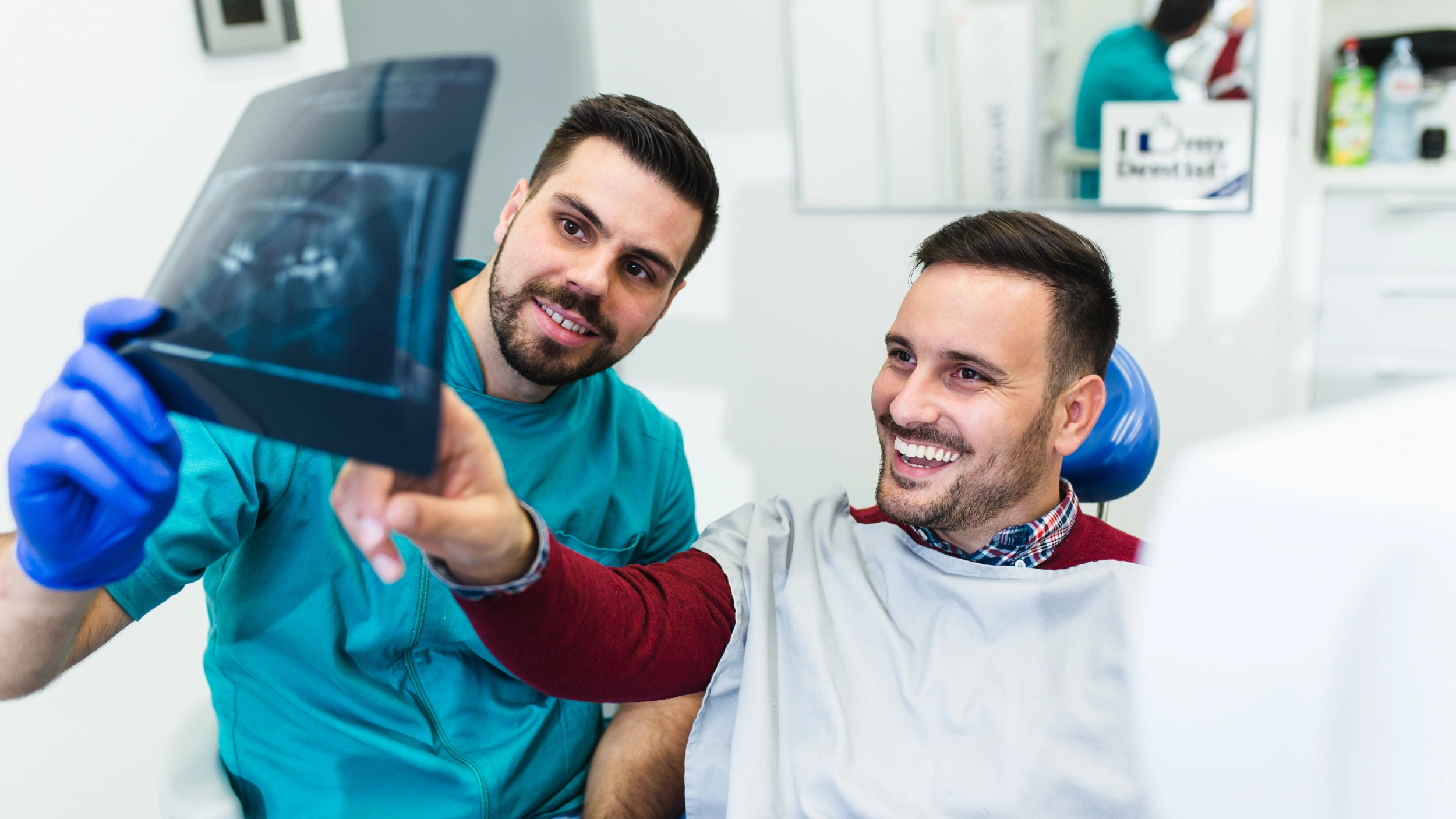
A missing tooth has a way of turning every dental conversation into a tiny courtroom drama. The implant gets introduced like the star witness, the bridge looks mildly offended, and the removable partial denture sits in the corner like it has seen things. Somewhere between the sales language and the fear of chewing on one side forever, most people just want a straight answer about dental implants pros and cons.
Here it is. Dental implants can be an excellent way to replace a missing tooth or support several replacement teeth. They also involve surgery, healing time, cost, and real limitations that glossy brochures tend to treat like an awkward family secret. The useful question is not whether implants are “good” or “bad.” It is whether they make sense for this mouth, this bone, this bite, this medical history, and this budget.
An implant is a small titanium or ceramic post placed in the jawbone to act like an artificial tooth root. After healing, it can support a crown, bridge, or denture. In the right situation, that is elegant dentistry. In the wrong situation, it is expensive optimism with a follow-up appointment.
For patients in Boynton Beach or nearby Lake Worth or West Palm Beach, Cap Dental provides dental implant solutions tailored to individual needs, helping patients understand candidacy, timing, and realistic expectations.
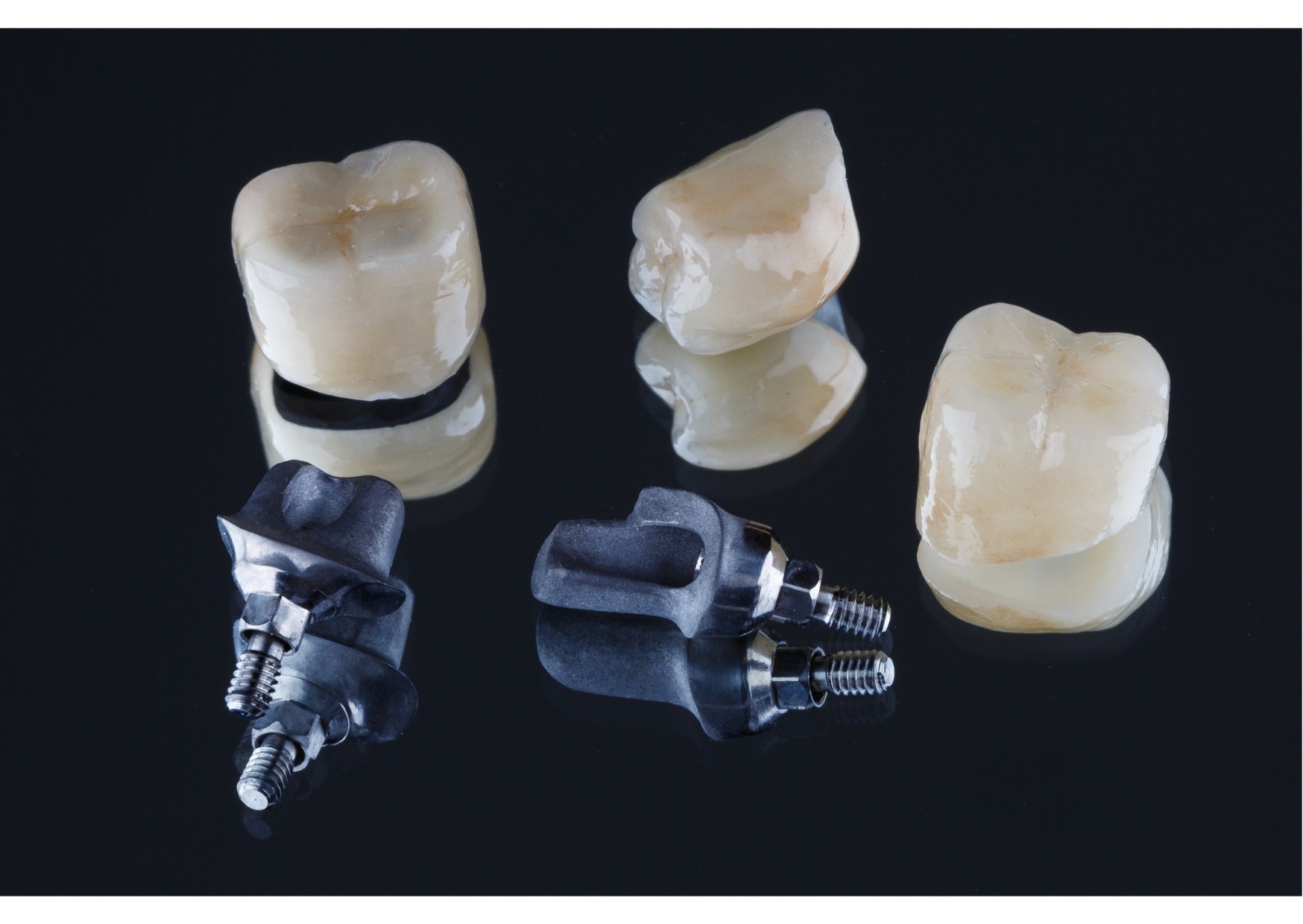
A dental implant is not just the visible tooth. It usually has three parts: the implant post in the bone, the abutment that connects the pieces, and the crown or other restoration that shows above the gums. The key biological idea is osseointegration, which means the bone heals tightly around the implant surface and helps hold it in place.
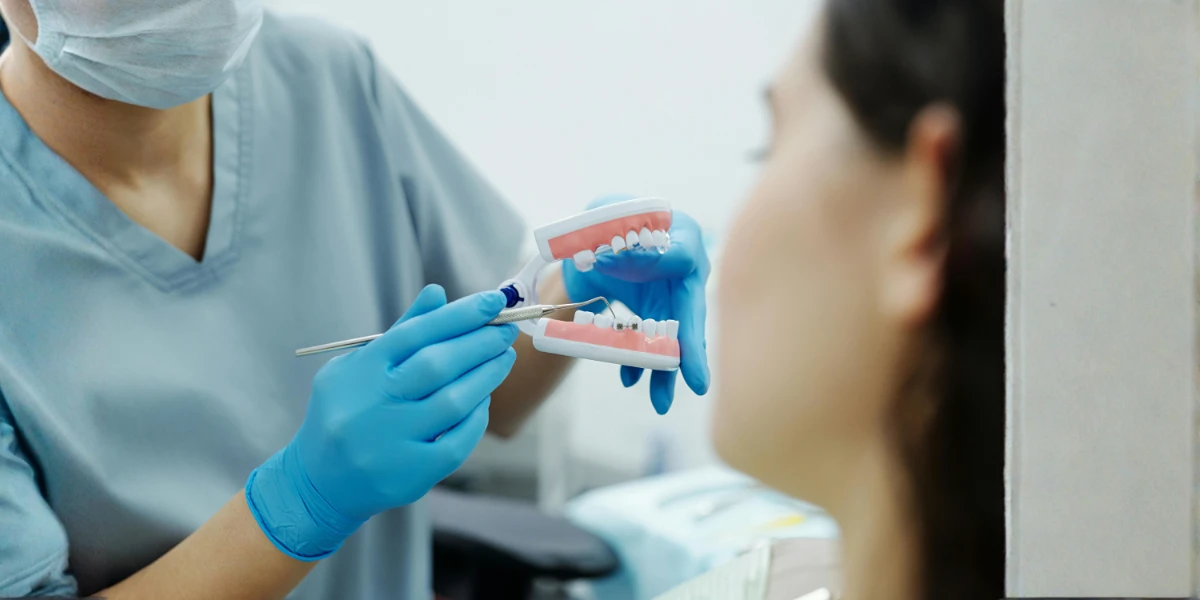
That matters because an implant is anchored differently from a bridge or denture. A traditional crowns & bridges treatment uses neighboring teeth for support, which may require reshaping those teeth. A removable dentures appliance rests on the gums and may move during chewing or speaking. An implant aims to create a more independent support system, which is why it often feels closer to a natural tooth once treatment is complete.
The biggest advantage is stability. A well-planned implant can feel secure during chewing and speaking in a way that many removable options do not. For a single missing tooth, that can mean less shifting, less awareness of the replacement, and a more natural bite.
Implants may also help preserve the jawbone in the area of a missing tooth. Bone tends to shrink over time when it no longer has a tooth root to stimulate it. An implant does not make the bone immortal, despite what some marketing suggests, but it can reduce the degree of bone loss compared with leaving the space empty.
Another major benefit is that implants often protect neighboring teeth from unnecessary drilling. With a conventional bridge, the teeth next to the gap may need to be prepared to hold the bridge in place. An implant-supported crown usually stands on its own, which can be a meaningful advantage when the adjacent teeth are healthy.
For many patients, comfort and confidence are the real selling points. A secure replacement tooth can make eating, smiling, and speaking feel less like a negotiation. That is not vanity. It is quality of life, and dentistry should care about that.
| Benefit | Why It Matters |
| Stable chewing support | Often improves function compared with a loose removable option |
| Bone stimulation | May reduce shrinkage in the jaw after tooth loss |
| Protects adjacent teeth | Often avoids cutting down healthy neighboring teeth |
| Natural appearance | Can blend well with surrounding teeth and gums |
| Long-term durability | With good care, implants can last many years |
Now for the part that deserves equal billing. Implants require a surgical procedure. Even when placement is routine, it is still surgery involving bone, gums, healing, and the possibility of complications. This is not a sticker you apply to the jaw and call it a day.
Healing takes time. Some cases allow faster restoration, but many require a period of healing before the final crown is placed. If bone grafting is needed, the timeline may stretch further. People hoping for instant resolution sometimes discover that implant dentistry runs on biology, and biology is not impressed by anyone’s calendar.
Cost is another real disadvantage. Implants are often more expensive upfront than bridges or removable dentures, especially when imaging, grafting, sinus lift procedures, or replacement of multiple teeth are involved. Long-term value may still be reasonable in some cases, but the initial financial barrier can be substantial.
Implants also need maintenance. They do not get cavities, but the surrounding tissues can still become inflamed or infected. Peri-implant mucositis is inflammation around an implant, and peri-implantitis is a more serious condition involving inflammation and bone loss. In plain language, an implant can fail if plaque control is poor, the bite is unfavorable, or the case was not ideal to begin with.
Then there is the awkward truth no one loves: not every implant succeeds. Success rates are generally high, but high is not the same as guaranteed. Smoking, uncontrolled diabetes, active gum disease, severe teeth grinding, low bone volume, and certain medical factors can all increase risk.
| Drawback | Why It Matters |
| Requires oral surgery | Involves healing, discomfort, and procedural risk |
| Higher upfront cost | May include scans, grafts, temporary restorations, and follow-up care |
| Longer treatment timeline | Final tooth replacement may take months in some cases |
| Not suitable for everyone | Bone quality, gum health, and medical history affect candidacy |
| Ongoing maintenance | Implants still need daily cleaning and regular professional review |
Good implant candidates often have healthy gums, enough bone to support the implant, and a medical history that allows predictable healing. That does not mean a perfect mouth is required. It means the foundation has to be workable, or the plan has to include ways to improve it.
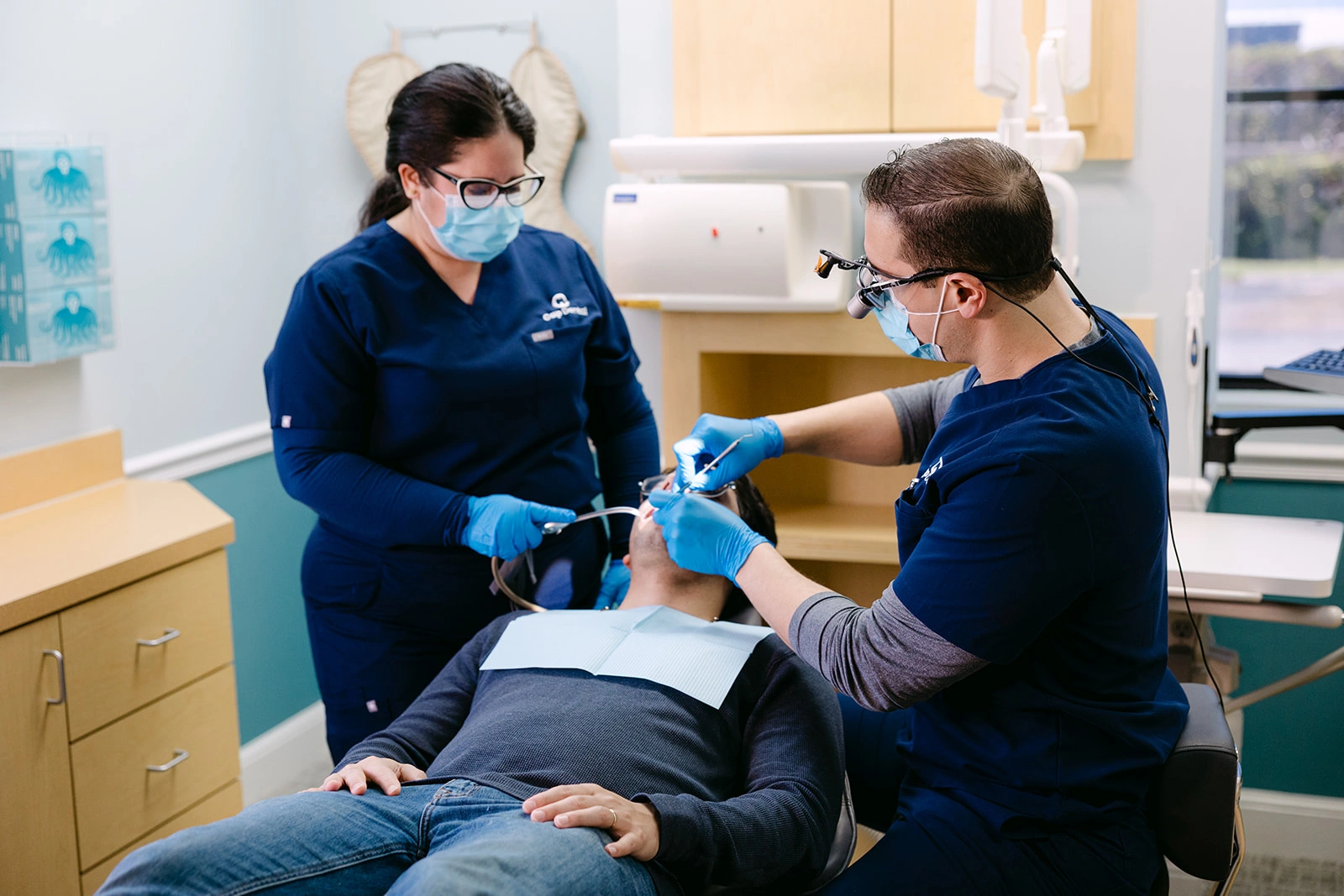
A dentist or specialist will usually assess bone volume with imaging, review the bite, examine the condition of nearby teeth, and ask about smoking, diabetes, medications, and gum disease history. If there is active periodontal disease, which means infection and inflammation affecting the supporting tissues of the teeth, that usually needs attention before implant treatment moves forward.
People who clench or grind may still get implants, but the bite design and protection plan matter. Excessive force can overload an implant restoration. The implant itself does not have the same shock-absorbing ligament a natural tooth has, so force management is not a minor detail. It is the difference between careful planning and wishful thinking.
An implant is not automatically the best answer just because it is modern, expensive, or spoken about in reverent tones. Sometimes a bridge is more practical, especially if the neighboring teeth already need crowns. In that case, using those teeth as part of the solution may be reasonable rather than placing an implant into a site with limited bone or difficult anatomy.
A removable partial denture may also be appropriate when several teeth are missing, finances are tight, or surgery is not a good fit. It may not win any popularity contests, but practical dentistry has saved many mouths while the glamorous options were still busy giving a presentation. In situations where the concern is cosmetic rather than replacement, veneers may be considered to improve the appearance of existing teeth rather than replacing them entirely.
For full arches, implant-supported dentures can improve retention dramatically, but they are not the same as a single implant crown. The planning, cost, maintenance, and complication profile are different. That distinction matters because “implants” can mean very different treatments with very different tradeoffs.
| Option | Best For | Main Tradeoff |
| Single implant crown | One missing tooth with adequate support | Surgery, healing time, cost |
| Traditional bridge | Missing tooth with neighboring teeth that already need crowns | Requires preparation of adjacent teeth |
| Removable partial denture | Multiple missing teeth or lower-cost replacement | Less stability and comfort for some patients |
| Implant-supported denture | Greater denture stability in selected cases | More complex treatment and maintenance |
Some soreness, swelling, and minor bleeding can happen after implant placement. That is expected healing, not evidence that the mouth has declared war. Still, symptoms should generally improve, not steadily worsen.
Complications may include infection, delayed healing, implant mobility, nerve irritation, sinus issues in upper back implant sites, gum recession, and failure of the implant to integrate with bone. In some cases, the implant survives but the crown, screw, or surrounding tissue develops problems that still require treatment.
Seek prompt dental evaluation if there is increasing swelling, fever, pus, severe pain, numbness, or an implant that feels loose. Trouble swallowing, spreading facial swelling, or difficulty breathing should be treated as urgent medical concerns. Those symptoms are not the time for internet bravery.
Long term, peri-implant disease signs like bleeding around an implant, persistent bad taste, deepening pockets around the implant, or progressive gum changes should also be checked. Implants can fail quietly at first. The mouth is annoyingly polite that way.
Treatment usually starts with an exam, dental imaging, and a discussion of goals, risks, and alternatives. If the site is suitable, the implant is placed in the bone. In some cases, a temporary tooth may be used during healing, though this depends on the location, bite forces, and stability at placement.
After placement, the bone needs time to heal around the implant. That healing phase varies. Some cases are straightforward, while others involve grafting, staged treatment, or delays because the body insists on being a biological system rather than a same-day shipping service.
Once healing is adequate, the implant is uncovered if needed, the connector piece is placed, and impressions or digital scans are used to make the final crown or other restoration.
The final result should be checked for bite, contour, cleanability, and gum response. A beautiful implant that traps plaque is not a success. It is a delayed argument.
Implant fees vary widely by region, complexity, materials, and who is providing treatment. A single quoted number may or may not include imaging, extraction, grafting, sinus lift, temporary restorations, the abutment, the final crown, or follow-up visits. That is why comparing prices without comparing scope can get ridiculous fast.
A better question is what the treatment plan includes, what conditions could change the cost, and what maintenance may be needed later. The cheapest implant plan is not automatically a bargain, and the most expensive one is not automatically superior. Clarity matters more than theatrics. If a consultation sounds like a luxury car pitch with gums, ask better questions.
Implants need consistent cleaning at home and regular professional monitoring. Plaque can still accumulate around the implant crown and gumline, and inflammation can still damage the supporting tissues. The phrase implants still need real maintenance should be printed on every consent form in large, calm letters.
The exact cleaning tools vary by case, but the principle is simple: keep the area clean, attend recall visits, and have bleeding, soreness, or changes in fit checked early. This is especially important for people with a history of gum disease, smoking, dry mouth, or complex restorations. Fancy dentistry does not repeal basic biology.
Often, yes. For the right patient and the right site, implants can be one of the most functional and conservative ways to replace missing teeth. They can restore chewing, support facial structure, and avoid involving nearby healthy teeth.
But the cons are not footnotes. Surgery, healing time, cost, maintenance, and candidacy limits all matter. The best decision usually comes from comparing implants with bridges or dentures in the context of the whole mouth, not falling in love with a single buzzword.
There is a mildly rebellious truth here. Good dentistry is not about choosing the fanciest option. It is about choosing the option most likely to stay healthy, comfortable, and maintainable over time. That answer is sometimes an implant. Sometimes it is not. The mouth, unlike marketing, tends to appreciate honesty.
Ready to talk about dental implants for your smile? Contact Cap Dental by calling (561) 560-8787to book a consultation at our Boynton Beach office. We also see patients from Lantana and Lake Worth and will explain candidacy, timing, and costs in clear, simple language.
Not always. Implants may be better when the neighboring teeth are healthy and the bone support is adequate. Bridges may make more sense when adjacent teeth already need crowns or when surgery is not ideal.
Many implants last for years and sometimes much longer, but longevity depends on bone support, bite forces, gum health, smoking status, home care, and regular follow-up. A dental evaluation is important if there is bleeding, pain, or looseness.
Discomfort is common after placement, but severe or worsening pain is not something to ignore. Most people describe the process as manageable, though experiences vary by procedure complexity and healing response.
For many patients, the main downsides are cost, surgery, and treatment time. In some cases, the bigger issue is simply that the mouth or medical history may not make implants the safest or most predictable option.
Sometimes, but smoking can increase the risk of poor healing, infection, and implant failure. A dentist or specialist can explain how smoking affects candidacy and long-term prognosis in a specific case.