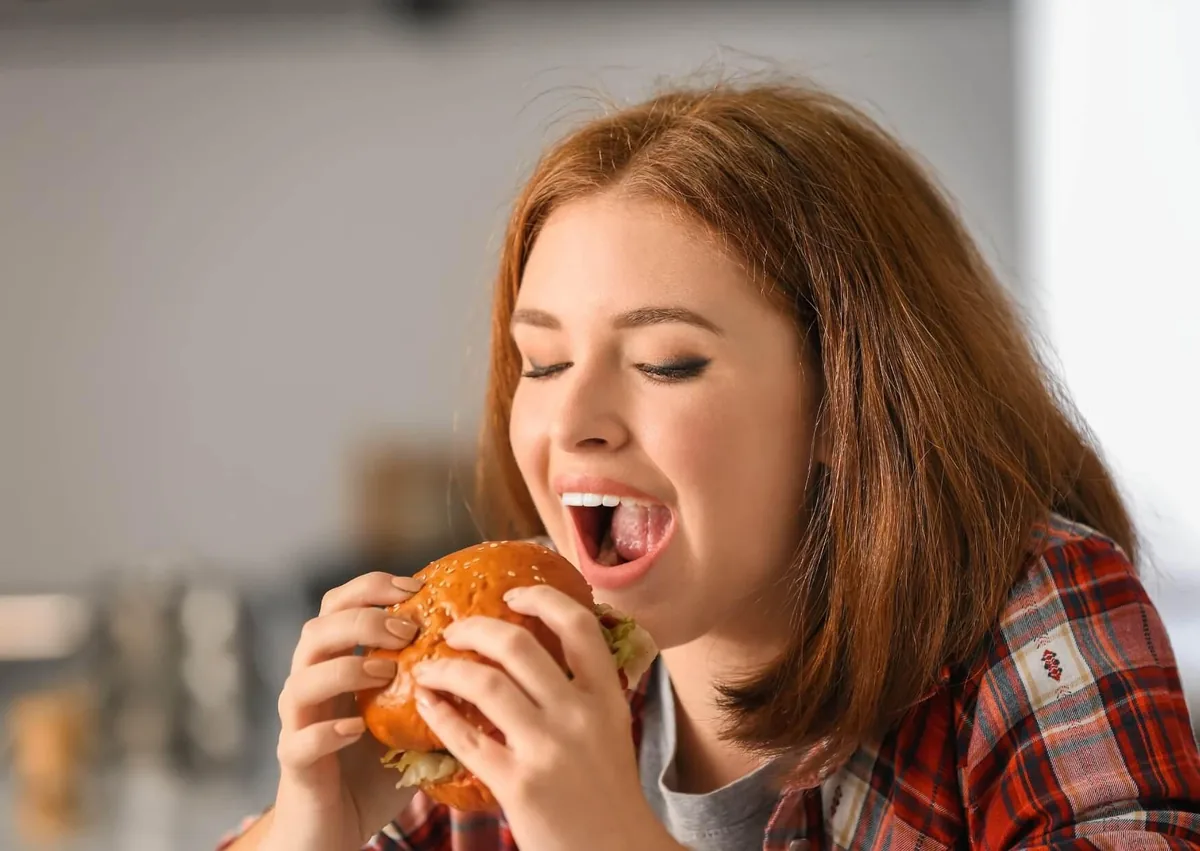
Most people should wait about 7 days before trying a soft burger, and longer if chewing still hurts or the extraction was difficult. A thick, crusty, chewy, or seed-covered burger often needs to wait 10 to 14 days, and the sockets continue healing for several weeks.
Your oral surgeon’s instructions should come first because recovery depends on how the teeth were removed and how your mouth is healing. If you had wisdom tooth extractions, ask the treating team before testing solid, chewy foods. If you expect a difficult procedure or feel anxious about treatment, ask about sedation dentistry.
If you're deciding when it's safe to return to solid foods after a removal, our team can clarify healing milestones and personalized aftercare. Cap Dental in Boynton Beach, FL helps patients understand recovery timelines and safe dietary steps so they can confidently resume normal eating.
The safest timing depends on both the calendar and your symptoms. Burgers require more chewing than soft foods, and small pieces of bun or toppings can collect near the extraction sites. If you want a broader food guide, see our article on what to eat after surgery.
|
Time After Removal |
Typical Food Choices |
Burger Guidance |
|---|---|---|
|
First 24 hours |
Cool or lukewarm liquids and very soft foods |
Avoid burgers and all chewing near the sockets |
|
Days 2 to 3 |
Yogurt, applesauce, mashed potatoes, smooth soup |
Usually too early for a burger |
|
Days 4 to 7 |
Eggs, soft pasta, tender fish, other easy-to-chew foods |
Consider only if chewing is comfortable and your dentist says it is reasonable |
|
After about 7 days |
Gradual return to more solid foods |
A small, soft burger may be reasonable |
|
Days 10 to 14 |
Broader diet if healing is uncomplicated |
Many people can handle a regular burger, but tender areas may still need caution |
This is a general timeline, not personal clearance. Lower wisdom teeth, impacted teeth, stitches, infection, or a difficult extraction can slow recovery. Cases involving bone removal or impacted teeth may require more involved oral surgery and a longer return to normal eating.
After surgery, a blood clot forms in each socket. That clot protects the bone and nerves underneath while the area starts to heal.
Heavy chewing, suction, forceful rinsing, or repeated irritation can dislodge the clot and raise the risk of dry socket. Dry sockets can cause significant pain and delay comfortable eating.
Burgers can also leave behind small food particles. Seeds, crisp bacon, raw onion, pickles, crunchy lettuce, and hard toasted buns are more likely to irritate the tissue or get trapped in the sockets.
Jaw stiffness is also common after wisdom tooth removal. If it hurts to open wide, biting into a burger can strain the jaw even when the sockets themselves are improving.
You may be ready when bleeding has stopped, swelling is improving, and chewing soft solids does not cause throbbing or sharp pain. You should also be able to open your mouth comfortably enough to chew without forcing your jaw.
Start with a small, tender burger on a soft bun. Cut it into small pieces, chew away from the healing side when possible, and skip spicy sauces, seeds, and crunchy toppings.
Stop if you notice renewed bleeding, pulling around stitches, sharp pain, or worsening soreness. After eating, follow your dental team’s cleaning instructions instead of probing the sockets with your fingers or a toothpick.
Move back to solid foods gradually. Start with smooth foods, then soft chewable foods, and only then try tougher foods like burgers, crusty bread, steak, nuts, or chips.
Avoid straws, smoking, vaping, forceful spitting, and vigorous rinsing during early healing. These actions can disturb the clot and interfere with recovery, which is why standard recovery precautions matter.
Stay hydrated and choose foods with enough protein and calories to support healing. If your dentist recommended saltwater rinses or a syringe, use them only when instructed and exactly as directed.
Call the dentist or oral surgeon if pain gets worse instead of better after the first few days. Severe throbbing pain, pain that travels toward the ear or temple, a bad taste, foul odor, fever, pus, or increasing swelling may mean dry socket or infection.
Seek urgent care for trouble breathing or swallowing, rapidly spreading swelling, uncontrolled bleeding, or a serious reaction to medication. If symptoms become severe after eating, seek emergency dentistry promptly.
If healing seems mostly normal but you are unsure whether the sockets are ready for a burger, ask the treating team to check the area. They can judge healing based on the extraction difficulty, socket location, stitches, and your current symptoms.
If you're unsure whether your extraction sites are healed enough for a burger, arrange an assessment so a clinician can examine the sockets and advise next steps. Call Cap Dental in Boynton Beach, FL for wisdom tooth extractions and post-op care at (561) 560-8787 to schedule an appointment.
Usually not. Day 3 is often still too early because the blood clots are vulnerable and swelling may still be near its peak.
Cheese does not change the healing timeline much. Once you are ready for a soft burger, keep it small, cut it into pieces, and avoid hard or crunchy toppings.
Do not pick at the socket. Use only the gentle rinsing or irrigation method recommended by your dental team, and call them if the food will not come out or if pain, swelling, odor, or a bad taste develops.
The gum opening usually gets smaller over several weeks, while deeper bone healing takes longer. Even after you feel ready to eat normally, the sockets may still catch food for a while.