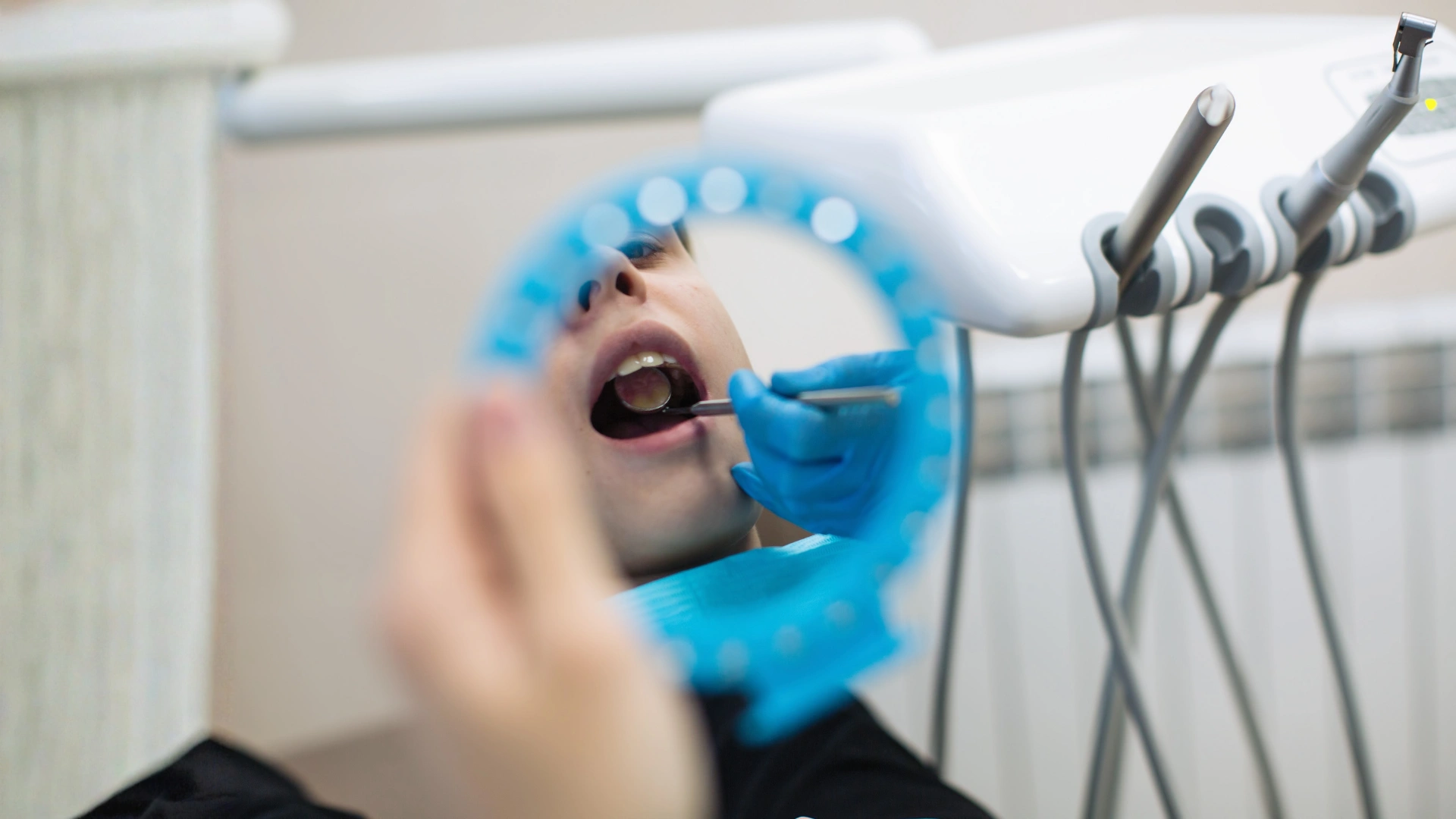
A root canal already sounds like a punishment invented by paperwork. Then comes the practical question, usually asked in a parking lot with a numb lip: can you drive after a root canal?
Usually, yes. Most people can drive after a root canal if the procedure involves only local anesthetic and they do not feel dizzy, weak, or otherwise impaired.
That is the short answer. The more useful answer is that driving safety depends less on the procedure itself and more on how you feel afterward.
A root canal treats infection or inflammation inside a tooth. The dentist removes damaged pulp, cleans the inside of the tooth, and seals the space to help prevent further infection.
The procedure does not usually affect your ability to drive. What matters is whether you had sedation, how alert you feel, and whether you are having unusual pain or other symptoms.
Cap Dental in Boynton Beach, FL offers root canal treatment and related care if that is the kind of service you need.
The procedure name gets all the drama, but the real question is simple. Are you alert, steady, and able to react normally?
If the dentist used only local anesthetic, driving is often fine. Local anesthetic numbs the treatment area, but it does not usually affect judgment, coordination, or reaction time.
If sedation was used, the answer changes quickly. If you had oral sedation, IV sedation, or nitrous oxide with lingering effects, you may not be safe to drive.
Guidance on sedation dentistry is clear: many patients need someone else to take them home. If your dental team told you to arrange a ride, follow that instruction.
Even without sedation, some people feel off after a long appointment. Stress, poor sleep, not eating enough, and the general thrill of hearing a dental drill can leave you less focused than usual.
If you feel lightheaded, foggy, weak, or unusually anxious, do not drive yet. Waiting a bit, calling a friend, or using a rideshare is a much better plan.
Mild soreness does not automatically make driving unsafe. But moderate or severe pain can distract you and make it harder to focus on the road.
Swelling is usually limited right after a routine root canal. If discomfort is building fast or feels stronger than expected, pause before getting behind the wheel.
Numbness by itself does not usually stop someone from driving. Still, a very numb cheek, tongue, or lip can feel strange and distracting.
That numb feeling is usually more of an eating problem than a driving problem. It is also why people accidentally bite their lip or cheek after treatment.
This is where a routine day can get unnecessarily dramatic. The tooth is treated, the paperwork is done, and then your body decides it has opinions.
Do not drive yourself if any of the following apply:
This is not about toughness. It is about reaction time, judgment, and the fact that roads are full of other people.
If there is any doubt, arrange a ride. It is far easier than adding a car problem to your dental problem.
After a root canal, the usual pattern is temporary numbness followed by mild to moderate soreness. The treated tooth and nearby gum may feel tender for a few days, especially when biting.
That tenderness does not necessarily mean anything went wrong. The tissues around the root can stay irritated for a short time, especially if the tooth was badly inflamed or infected before treatment.
Common short-term effects may include:
A temporary filling or crown can also make your bite feel different. If the tooth feels too high when you close your teeth together, call the dentist, because an uneven bite can make pain worse and slow recovery. For information on permanent restorations after endodontic treatment, see crowns & bridges.
Some symptoms need prompt attention. Severe swelling, fever, worsening pain, or trouble swallowing are not routine aftercare issues and should prompt urgent dental evaluation. Consider seeking emergency care if you experience any of these.
A swollen jaw can also be a sign that you need follow-up quickly. Persistent numbness that lasts much longer than expected should also be reported.
Real life rarely pauses for endodontics, which is the branch of dentistry that treats the inside of the tooth. People still need to work, pick up children, and act like the day is under control.
If you had only local anesthetic and feel normal, returning to desk work or routine errands is often reasonable. Driving short distances may also be fine in that situation. For general follow-up or routine care after your procedure, your general dentistry team can advise when to resume specific activities.
If your job involves heavy equipment, climbing, quick decision-making, or public safety, be more cautious. Even mild fatigue or distraction matters more when the stakes are higher.
For school pickup, commuting, or city traffic, ask one simple question: do you feel fully alert and comfortable enough to respond quickly? If the answer is not a clear yes, make other arrangements.
The best time to ask about driving is before you stand up with a numb face and half-remembered instructions. A quick conversation with the dentist or assistant can save a lot of guessing later.
Consider asking:
These are simple questions, but they make recovery smoother. They also reduce the chance of turning a routine dental visit into a logistical mess.
Here is the plain answer most patients need. If you had a root canal with local anesthetic only, and you feel alert, steady, and comfortable, driving is usually acceptable.
If you had any form of sedation, feel unwell, or were told not to drive, do not drive yourself. That is not overcautious. It is basic safety.
The most important point is this: you should not have to guess what is normal. If your symptoms seem unusual, severe, or hard to interpret, contact the treating dentist for guidance instead of trying to push through it.
A root canal may quiet the tooth, but common sense still needs to do the talking.
If you need a root canal or urgent attention, Cap Dental in Boynton Beach, FL, serving Lake Worth and West Palm Beach can help. Call us at (561) 560-8787 to schedule.
In many cases, yes. If only local anesthetic was used and you feel fully alert, steady, and able to concentrate, driving is usually safe.
Often no, at least not right away. Sedation can impair judgment, coordination, and reaction time, so patients generally need someone else to drive them home.
There is no single timeline that fits everyone. If you had local anesthetic only, you may be able to drive once you feel normal. If sedation was used, follow the dental office's instructions and arrange a ride.
Yes, that can happen. Stress, a long appointment, jaw fatigue, and not eating normally beforehand can all leave someone feeling worn out.
Call if pain is severe, swelling is increasing, numbness lasts longer than expected, the bite feels very off, or you develop fever, trouble swallowing, or other urgent red-flag symptoms.