Gum contouring reshapes the gumline when excess tissue makes teeth look short or uneven, or when a dentist needs better access to tooth structure for treatment. It can improve smile balance in the right case, but it is not the right fix for every gum concern, especially when recession or gum disease is involved.
A gumline that looks uneven, feels irritated, or has changed over time may need more than a cosmetic fix. Cap Dental in Boynton Beach, FL provides periodontics evaluations to identify the cause and help protect both your smile and tooth support.
Some people naturally have more gum tissue covering their teeth, which can make teeth appear small or create an uneven smile. In other cases, the gums may enlarge because of inflammation, certain medications, or underlying health conditions.
A changing gumline can also be a sign of recession rather than excess tissue. Recession may expose the root surface and is often linked to gum disease, aggressive brushing, thin gum tissue, tooth position, tobacco use, or clenching and grinding.
Cosmetic contouring should follow a dental exam, especially if the gumline has changed recently. Treating active gum disease first can help prevent ongoing tissue damage and improve the stability of the final result.
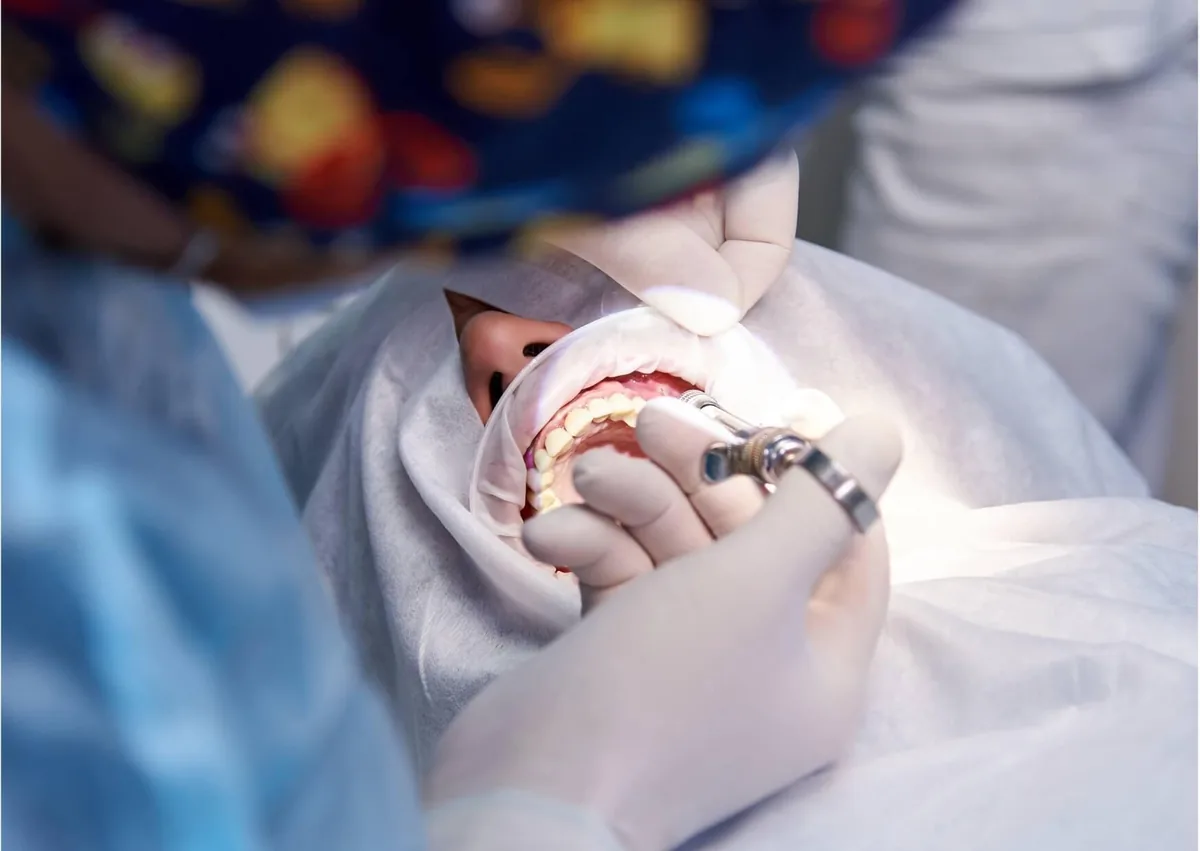
When excess gum tissue is the main concern, the clinician first maps the ideal gumline and numbs the area with local anesthetic. A laser, electrosurgical tool, or scalpel may then be used to remove and reshape tissue.
If bone is affecting tooth proportions, a more involved crown-lengthening procedure may be needed. For longer or more invasive treatment, sedation dentistry may be offered to improve comfort.
When recession is the problem, treatment is different because tissue usually needs to be added rather than removed. A periodontics specialist may recommend a gum graft or another root-coverage approach based on the amount of recession, tissue thickness, and tooth position.
Treatment may involve one tooth or several teeth. During planning, the clinician considers tooth shape, lip position when smiling, gum health, bone levels, and whether crowns or veneers are planned.
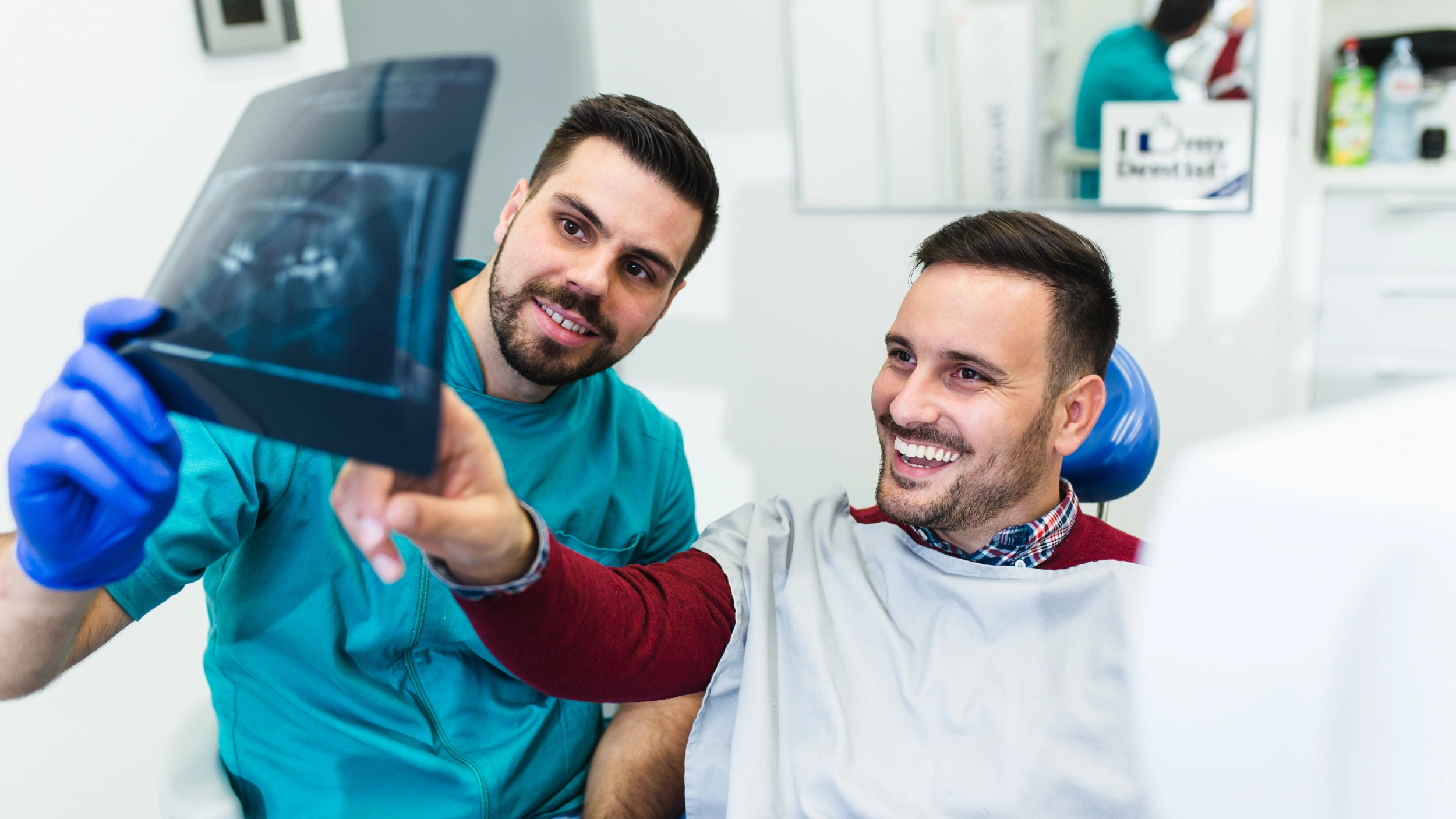
Imaging such as digital x-rays helps assess bone support and root exposure before deciding whether gum reshaping, bone reshaping, or another periodontal treatment is needed.
Gum contouring may create a more even gumline, make teeth look longer, or improve access for a filling or crown. When used for crown lengthening, it can expose enough healthy tooth structure to support a restoration.
Results after tissue removal are often long-lasting, but the gums can still change if inflammation returns or the original cause is not addressed. The procedure also cannot correct every concern about tooth size, alignment, or smile design, so orthodontic or restorative care, including understanding veneers, may sometimes be a better fit.
Possible risks include bleeding, infection, tenderness, delayed healing, uneven contours, and tooth sensitivity. Because removing gum tissue is irreversible, careful planning is especially important when gums are thin or roots are already exposed.
Mild soreness, swelling, and minor bleeding are common for the first few days. Recovery time depends on how much tissue was treated and whether bone reshaping or grafting was also performed.
Follow the dentist’s instructions for brushing, flossing, eating, and using any prescribed rinse. Soft foods may feel more comfortable at first, and smoking or vaping can slow healing.
Avoid pulling your lip back repeatedly to inspect the area. Do not try to trim gum tissue at home, and keep follow-up visits so healing can be checked.
A well-planned result can look natural and stay stable for years, especially when the gums remain healthy. Good home care and regular dental visits matter because inflammation can change the gumline over time.
Use a soft-bristled toothbrush and gentle technique if recession is a concern. If you clench or grind your teeth, ask whether a night guard may help reduce stress on the teeth and supporting tissues.
Schedule an evaluation if your gums bleed often, look swollen, are receding, or have changed shape. These symptoms may point to gum disease or another issue that should be treated before elective contouring is considered.
After treatment, contact the dental office if pain or swelling is getting worse instead of better, bleeding continues, or you notice pus, fever, or a bad taste. Seek prompt medical care for trouble breathing or swallowing, rapidly spreading swelling, or other severe symptoms.
A dentist can explain whether contouring, periodontal treatment, gum grafting, orthodontics, or no procedure is the safest choice. Asking about expected results, alternatives, healing time, and cost can help you make a more informed decision.
To confirm whether gum contouring or another periodontal approach is right for you, schedule a focused evaluation to review gum health, imaging, and treatment options. Cap Dental's periodontics team in Boynton Beach serves patients from Lake Worth and Lantana and can help you decide next steps; call (561) 560-8787 to book an appointment.
Local anesthetic is usually used, so most people feel pressure or movement rather than sharp pain during the procedure. Some tenderness afterward is normal, and discomfort depends on whether treatment involved simple reshaping, grafting, or bone work.
Minor gum reshaping may feel much better within a few days, although the tissue can continue settling for several weeks. Crown lengthening and gum grafting usually take longer to heal.
Removed gum tissue often does not grow back to its previous position. Even so, the gumline can still change later because of inflammation, recession, medications, or other oral health factors.
Insurance may help cover treatment when it is medically necessary, such as exposing enough tooth structure for a crown. Procedures done only to improve appearance are often considered elective, so it is smart to review benefits and estimates in advance.