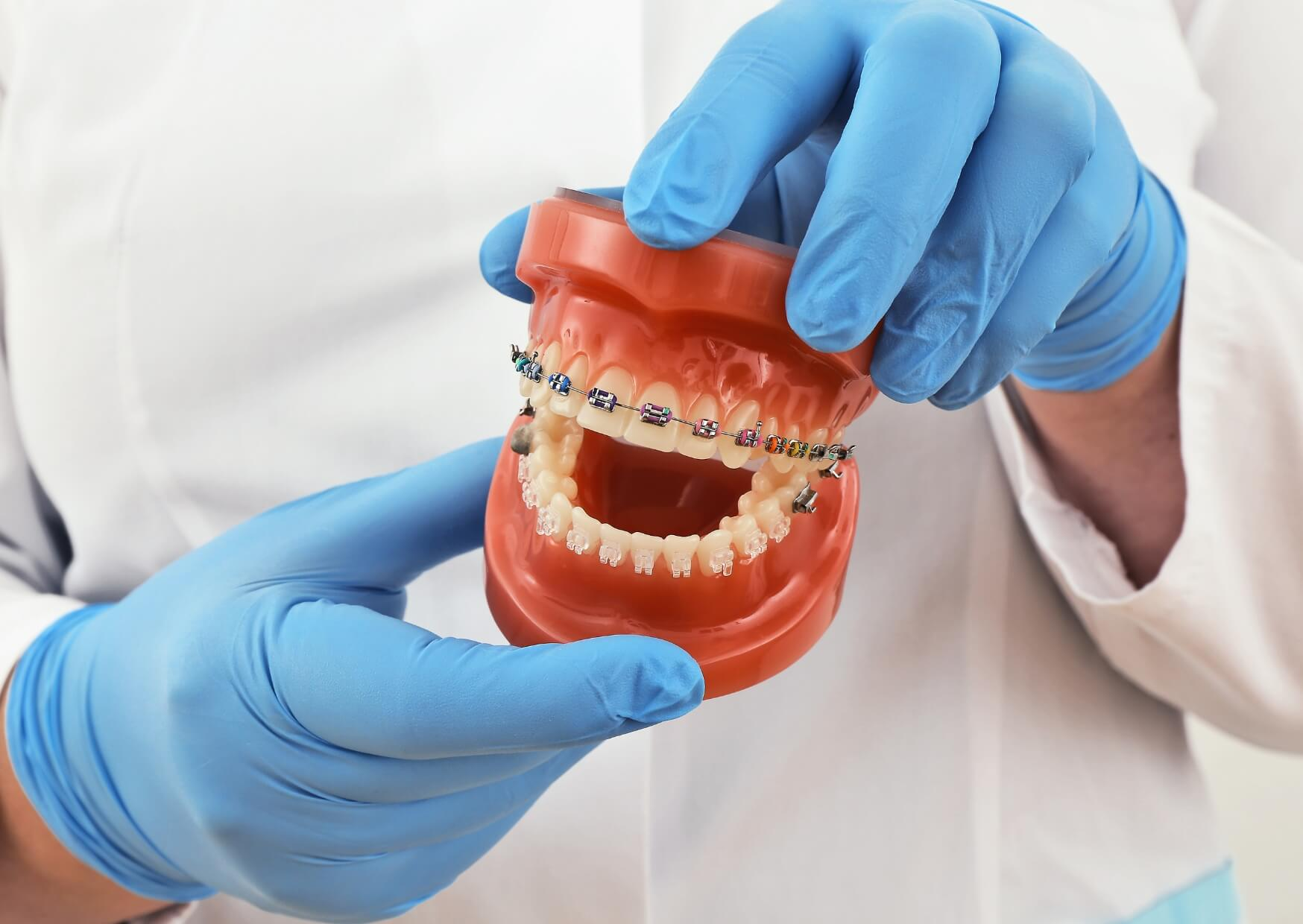
With dental insurance, braces often cost about $2,000 to $5,000 out of pocket in the United States. Your final cost depends on the total treatment fee, your plan’s orthodontic benefit, the type of braces chosen, treatment length, and whether the provider is in network.
Insurance usually does not pay the full cost. Many plans cover a percentage of orthodontic treatment up to a lifetime orthodontic maximum, often around $1,000 to $3,000, while some plans do not include orthodontic coverage at all.
If you're trying to understand whether braces will fit your budget, a clear breakdown of insurance benefits can make the decision easier. Cap Dental in Boynton Beach helps patients review coverage, compare treatment options, and understand expected out-of-pocket costs before moving forward.
Traditional metal braces generally cost about $3,000 to $7,500 before insurance. Depending on the case and local fees, braces, ceramic braces, lingual braces, and clear aligners may cost more or less.
The quoted fee may include records, appliances, adjustment visits, and retainers, but that varies by office. Some treatment plans also involve appliances such as dental spacer kids. Ask for a written estimate that separates the orthodontic fee from charges for exams, X-rays, extractions, retainers, or replacement appliances.
Orthodontic coverage works differently from routine dental benefits. Instead of resetting every year, it often includes a lifetime orthodontic maximum, which is the most the plan will pay for braces or aligners over a covered person’s lifetime.
A plan may cover 50% of the eligible orthodontic fee up to that maximum. For example, if treatment costs $6,000 and the plan covers 50% with a $2,000 lifetime maximum, the insurer may pay no more than $2,000, leaving about $4,000 for the patient before deductibles or non-covered charges.
Many insurers pay orthodontic benefits in installments during treatment rather than in one lump sum. If coverage ends, employment changes, or treatment stops early, future insurance payments may stop as well.
Age limits matter because some plans cover orthodontics only for dependent children under a certain age. Adult orthodontic coverage is available on some plans, but it should never be assumed.
Waiting periods, deductibles, network rules, and exclusions can also change the final bill. Treatment that started before the policy became active may be excluded or handled under work-in-progress rules.
Case complexity also affects cost. Crowding, bite problems, impacted teeth, jaw growth concerns, and the need for extractions or other dental treatment can increase both treatment time and total fees.
Before treatment starts, ask for a pre-treatment estimate from the insurer. It is not always a guarantee of payment, but it can show the eligible fee, estimated benefit, remaining lifetime maximum, and likely patient share.
Ask both the orthodontic office and the insurer these questions:
Compare written estimates instead of choosing based only on a monthly payment. A lower monthly payment may simply mean a longer financing period, and some plans include deposits, fees, or credit approval requirements.
Flexible spending accounts and health savings accounts may help pay eligible orthodontic expenses under current tax rules. Because eligibility and timing rules can vary, confirm details with the account administrator or a tax professional.
Good oral hygiene can help prevent added costs and treatment delays. Brush carefully around brackets, clean between teeth every day, limit frequent sugary snacks, and keep up with routine dental cleanings during treatment.
Call the orthodontic office if a wire is painful, a bracket comes loose, an appliance breaks, or a retainer no longer fits. Seek urgent dental or medical care for facial swelling, fever with dental pain, uncontrolled bleeding, trouble breathing or swallowing, or major dental trauma.

A dental exam or orthodontic evaluation is the best way to learn which treatment is appropriate and how long it may take. Bring your insurance information and ask for a written breakdown of expected insurance payments and patient costs before agreeing to care.
For a personalized cost estimate and to confirm coverage, request an orthodontic consultation and pre-treatment insurance estimate. Cap Dental in Boynton Beach offers braces consultations for patients from Lake Worth and Lantana; call (561) 560-8787 or schedule online to discuss your case.
No. Some plans exclude orthodontics, limit coverage by age, or only include benefits under certain plan options, so it is important to check the policy details directly.
Monthly payments vary based on the remaining balance, deposit, treatment length, and financing terms. Insurance may reduce the total balance, but benefits are often paid gradually, so the office should explain how that affects the monthly amount.
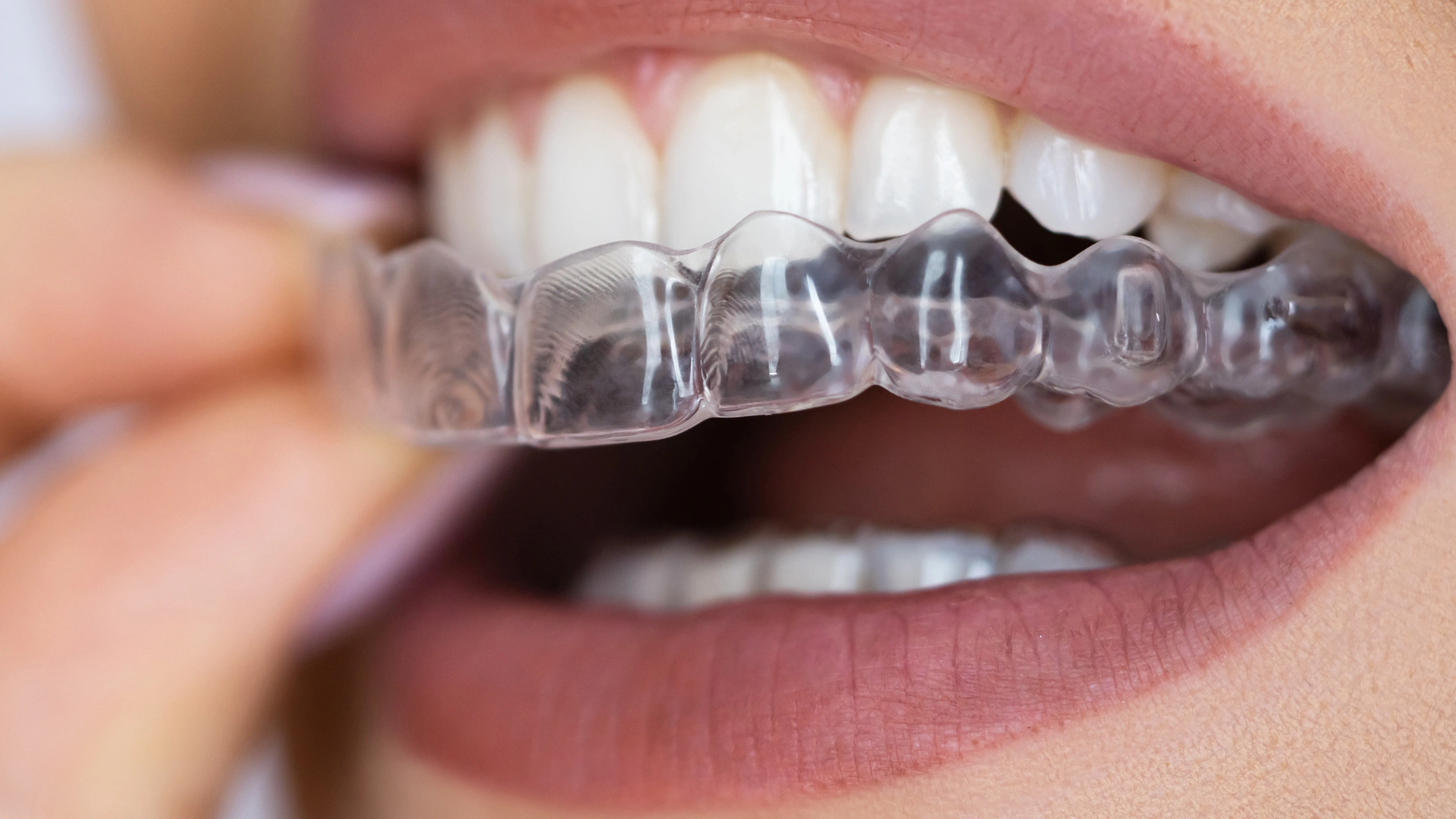
Some plans apply the same orthodontic benefit to clear aligners such as Invisalign and braces, while others have restrictions. Even when aligners are covered, the plan may still pay only up to the same lifetime maximum.
Possibly. If a person has dual coverage, coordination-of-benefits rules decide which plan pays first and whether the second plan contributes, and total payments usually cannot exceed the eligible charge.
Coverage may be limited if treatment began before the policy took effect. Ask about work-in-progress benefits and provide the original treatment date, total fee, expected completion date, and amount already paid.