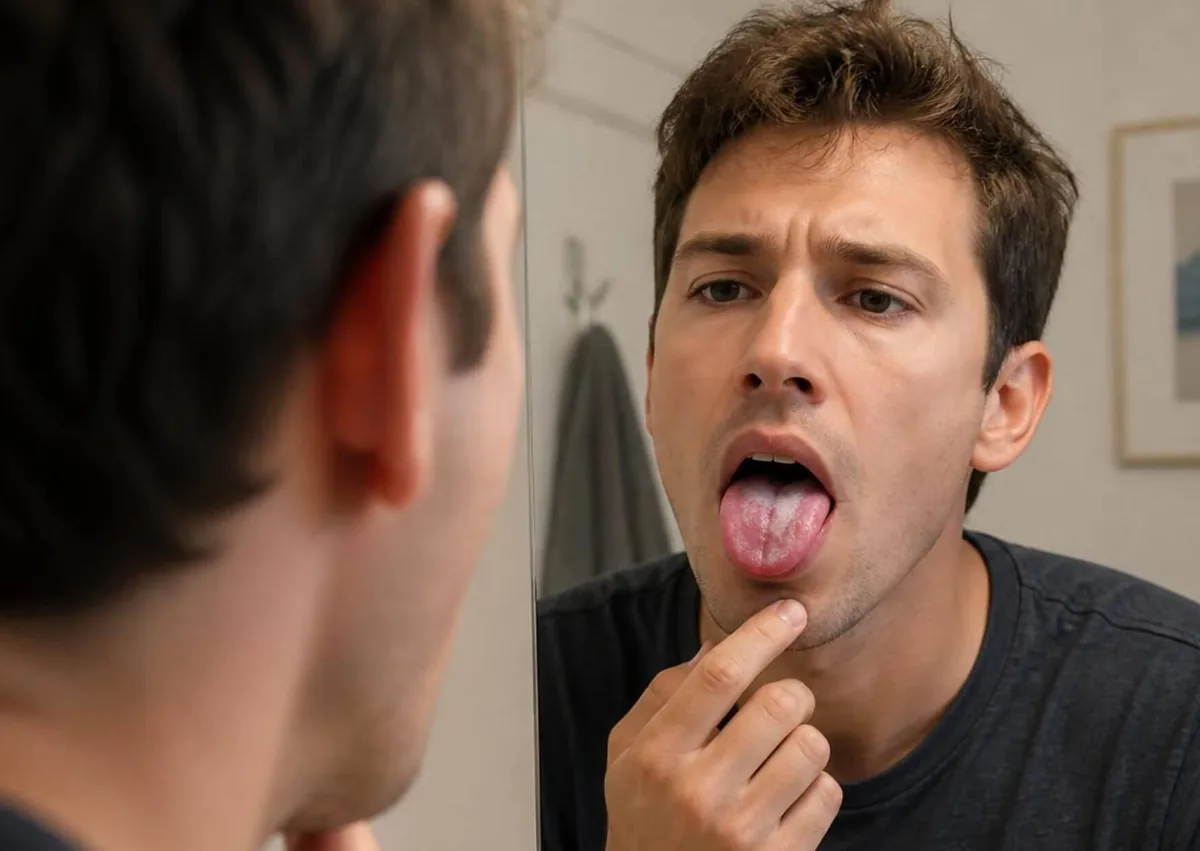
Oral thrush is a treatable yeast infection in the mouth that often causes white patches, soreness, or a burning feeling. It should still be checked with a dental exam because other mouth conditions can look similar, and repeated thrush can point to an underlying health issue.
If you have new white patches, pain, or recurrent mouth symptoms, a dental exam can clarify whether you have thrush or another condition. At Cap Dental in Boynton Beach, FL, our dental exams focus on clear diagnosis and practical next steps so you can start appropriate treatment and reduce recurrence.
Oral thrush, also called oral candidiasis, happens when Candida yeast grows more than it should in the mouth. Candida can normally be present without causing problems, but changes in health, medication use, or the oral environment can allow overgrowth.
Common signs include white or cream-colored patches on the tongue, inner cheeks, gums, roof of the mouth, or throat. These patches may wipe away with gentle pressure and leave a red, tender area that can bleed slightly.
Some people also notice redness, soreness, a cottony feeling, altered taste, or burning that makes eating uncomfortable. Cracks at the corners of the mouth can happen too, and denture wearers may develop redness under the appliance.
Oral thrush is more likely when the mouth's normal balance of microorganisms or immune defenses is disrupted. Several common factors can increase the risk.
Oral thrush is not usually considered contagious between healthy adults. Babies can pass Candida to a breastfeeding parent and back again, so both may need evaluation and age-appropriate assessment through pediatric dentistry when symptoms are present.
A dentist or medical clinician can often diagnose oral thrush by examining the mouth and reviewing symptoms, health conditions, and medications. If the appearance is not clear, testing may be needed to separate Candida from irritation, inflammatory conditions, or other oral diseases.
White mouth lesions are not always thrush. Friction, burns, geographic tongue, lichen planus, leukoplakia, and other conditions can also cause white patches or redness, so do not scrape or self-treat an unexplained lesion based only on appearance.
If thrush keeps coming back, the clinician may look for contributing factors such as dry mouth, denture irritation, uncontrolled diabetes, medication effects, or immune problems. Treating those causes can help the infection clear and lower the chance of recurrence.
Treatment often includes a prescription antifungal medicine, such as a liquid, lozenge, dissolving tablet, or pill. The best option and treatment length depend on age, overall health, severity, and possible medication interactions.
Symptoms often start improving after treatment begins, but the infection can return if medicine is stopped too soon or the underlying trigger is still present. Use the medication exactly as prescribed, and contact the prescriber if symptoms worsen, side effects are significant, or improvement does not happen.
Home remedies do not reliably clear a fungal infection and should not replace an exam or prescribed treatment. Avoid harsh substances such as undiluted peroxide, essential oils, or bleach-containing products because they can injure mouth tissues.
Good daily oral hygiene helps reduce the risk of recurrence. Brush twice a day with fluoride toothpaste, clean between the teeth, and keep removable appliances clean.
Dentures should usually be removed at night, cleaned as directed, and checked for fit if they rub or leave sore areas. Poorly fitting dentures can keep irritating the tissues underneath.
If you use an inhaled corticosteroid, rinse your mouth with water and spit after each use unless your prescriber tells you otherwise. A clinician or pharmacist can also review inhaler technique and whether a spacer may help.
Stay hydrated and ask a dentist or medical clinician about ongoing dry mouth. A routine preventive care visit can help identify issues that raise thrush risk and guide steps to reduce recurrence.
Managing diabetes, avoiding tobacco, keeping up with routine dental visits, and discussing repeated infections with a clinician may also help lower the chance of thrush returning.

Schedule an evaluation for new white patches, unexplained redness, mouth pain, or symptoms that persist, worsen, or keep returning. Prompt assessment is especially important for infants, older adults, people receiving cancer treatment, and anyone with diabetes or a weakened immune system.
Parents can read more about when to take your child for general guidance on pediatric dental visits. Early evaluation can help children get the right care sooner.
Seek urgent medical care for difficulty breathing or trouble swallowing liquids. Contact a clinician promptly for painful swallowing, signs of dehydration, fever with worsening mouth symptoms, or symptoms that seem to extend into the throat.
A professional oral exam can confirm whether the problem is thrush, identify contributing factors, and guide safe treatment. Persistent or unusual white patches sometimes need an oral cancer evaluation to rule out more serious conditions.
Early evaluation also helps rule out other causes of white or painful mouth lesions.
If symptoms persist or you want a definitive diagnosis, arrange a dental exam to confirm the cause and get treatment tailored to your needs. Call Cap Dental in Boynton Beach, FL for dental exams at (561) 560-8787 or book online to find an appointment that works for you.
A mild case may improve if the trigger resolves, but it can also persist, spread, or return. Because other mouth conditions can look like thrush, unexplained lesions should be evaluated instead of assumed to be fungal.
It can be painless at first, but some people develop burning, tenderness, altered taste, or pain while eating. Painful swallowing deserves prompt medical attention because the throat or esophagus may be involved.
Yes. Antibiotics can reduce the bacteria that normally help keep Candida under control, which makes thrush more likely.
Do not stop a prescribed antibiotic without speaking with the prescriber. If mouth symptoms appear during treatment, report them so they can be assessed.
No. Milk residue is often limited to the tongue and usually wipes away more easily.
Thrush may also affect the cheeks, gums, or palate and can leave red tissue when disturbed. A pediatric clinician should confirm the cause.
Replacing a toothbrush may be reasonable once treatment is underway or completed, especially if the bristles are worn. More importantly, avoid sharing toothbrushes, clean dentures and oral appliances carefully, and follow the treating clinician's instructions.