A baby grows one tooth, and suddenly the whole house is on high alert. One minute you are admiring a gummy smile, and the next you are dealing with a sharp little incisor, a chewed spoon, and a relative insisting dentists are only for “real teeth.” That is usually how bad advice enters the room: loud, confident, and completely unhelpful.
The short answer is simple. A child should usually see a dentist by the first birthday or within 6 months of the first tooth erupting, whichever comes first. That timing for the first dental visit falls under pediatric dentistry, which focuses on infants and toddlers.
That timing is not a marketing gimmick invented by people who enjoy tiny waiting room chairs. It matters because tooth decay can start early, feeding habits affect the mouth before all the teeth arrive, and parents usually need guidance before a problem turns into a rough night.
At Cap Dental, our pediatric dentistry team in Boynton Beach, FL provides early, gentle care for infants and toddlers.
For most children, the first dental visit should happen by age 1. If the first tooth appears at 5 or 6 months, the visit should usually happen within the next 6 months.
This early appointment is often called a well-baby dental visit. In plain language, it is a preventive checkup that looks at growth, cavity risk, cleaning habits, feeding patterns, and what is normal for that child’s mouth.
Some families are surprised by how early this is. That makes sense, since many people still hear the outdated advice to wait until age 3.
Dentists recommend earlier visits because baby teeth matter. They help with chewing, speech development, jaw growth, and holding space for adult teeth.
A first visit is not mainly about polishing one tiny tooth like it belongs in a museum. It is about spotting risk early and helping families avoid common problems before they build quietly.
Tooth decay in young children can progress faster than many parents expect. Baby teeth have thinner enamel, so cavities may spread more quickly once they start. Can a cavity heal itself? Read our guide to understand when monitoring may help and when treatment is needed.
Early visits also help identify issues with eruption patterns, oral habits, mouth injuries, and gum health. If a child uses a bottle at bedtime, snacks often on sticky carbohydrates, or has visible plaque, the dentist can explain how those habits affect cavity risk in real life.
Early care and preventive dentistry are usually easier, less expensive, and far less stressful than waiting until treatment is necessary. Pediatric dental care already comes with enough drama.
Sometimes the answer to when you should take your child to the dentist is simple: now, or at least very soon. A routine first visit by age 1 is ideal, but some symptoms need earlier evaluation.
White spots are especially easy to miss. They can be an early sign of enamel breakdown before a cavity becomes obvious.
If there is facial swelling, fever with dental pain, trouble swallowing, or trouble breathing, seek urgent medical or dental care right away, including emergency dentistry if the situation appears serious. Facial swelling with tooth pain can be an urgent red flag because infection in the mouth can sometimes spread beyond the tooth.
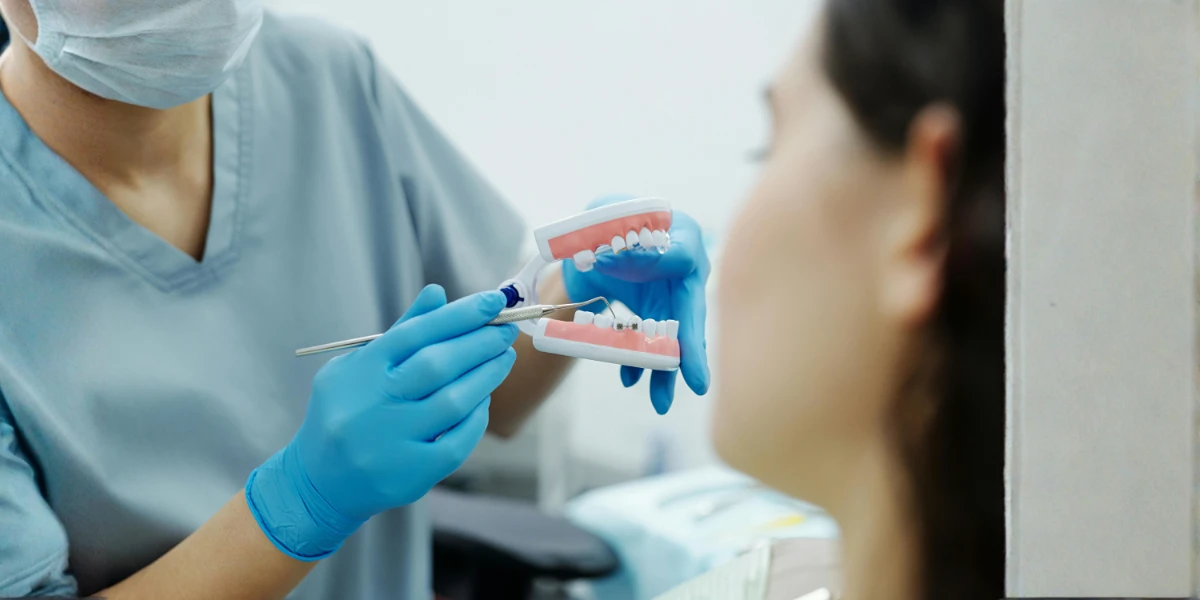
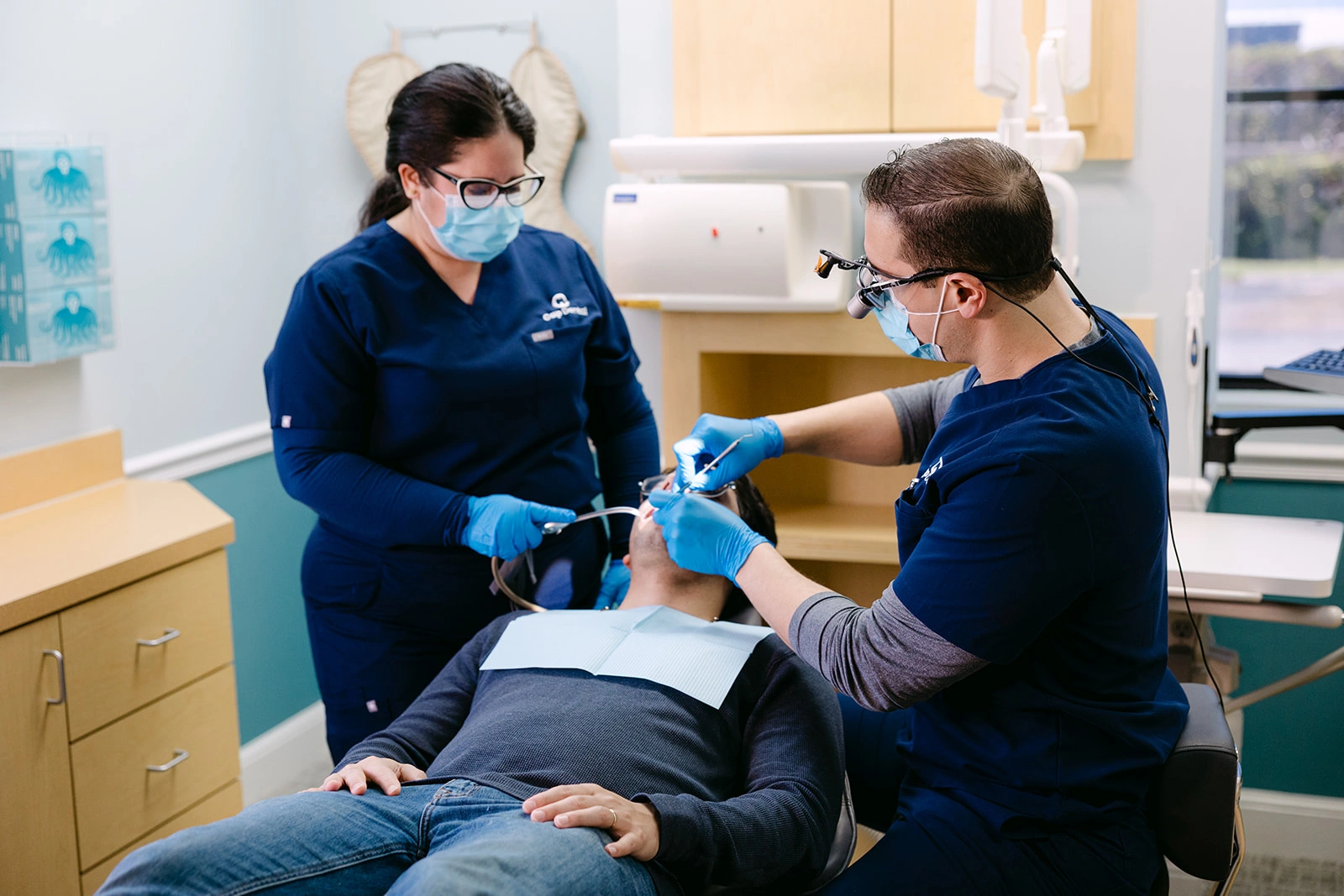
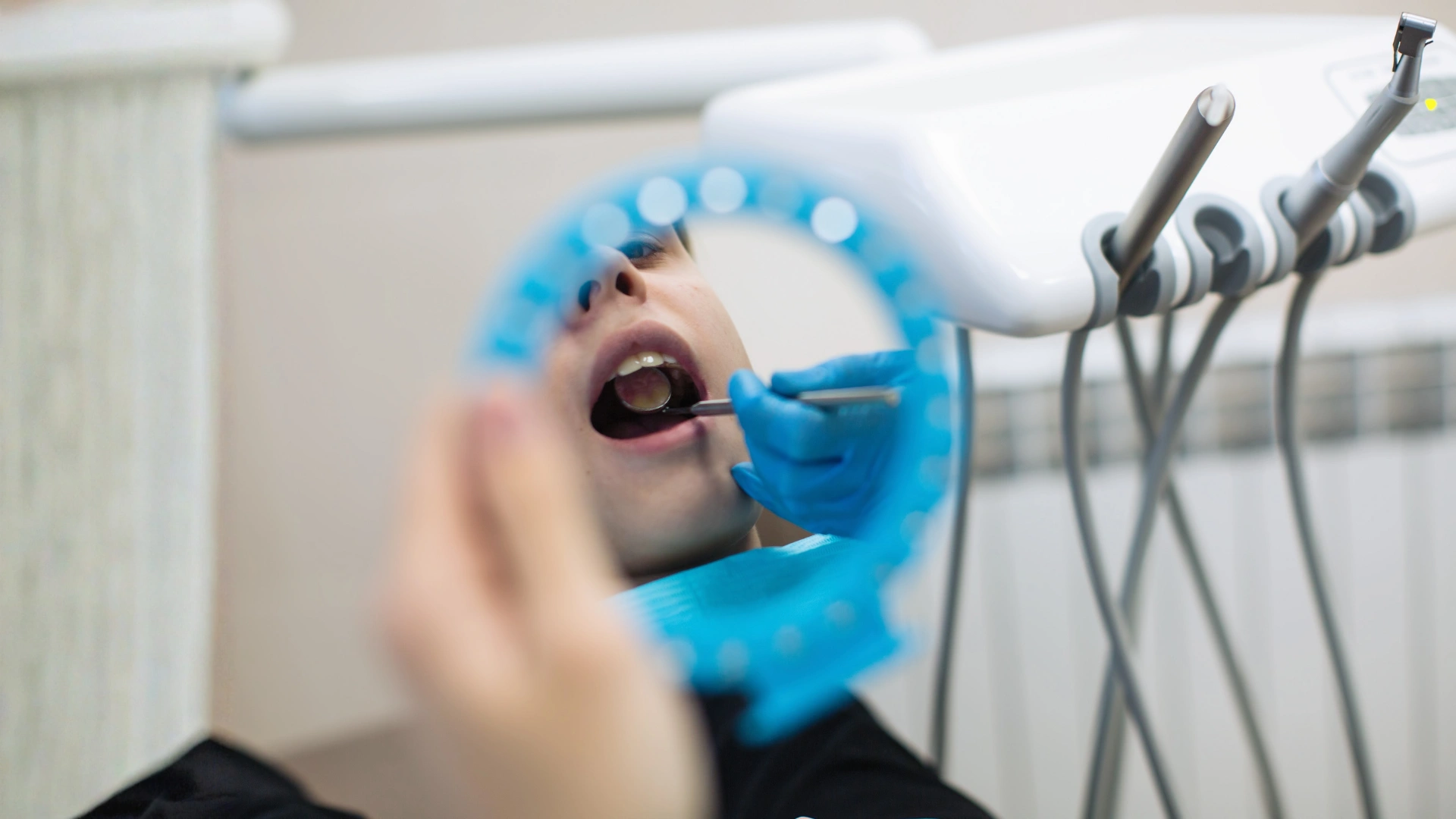
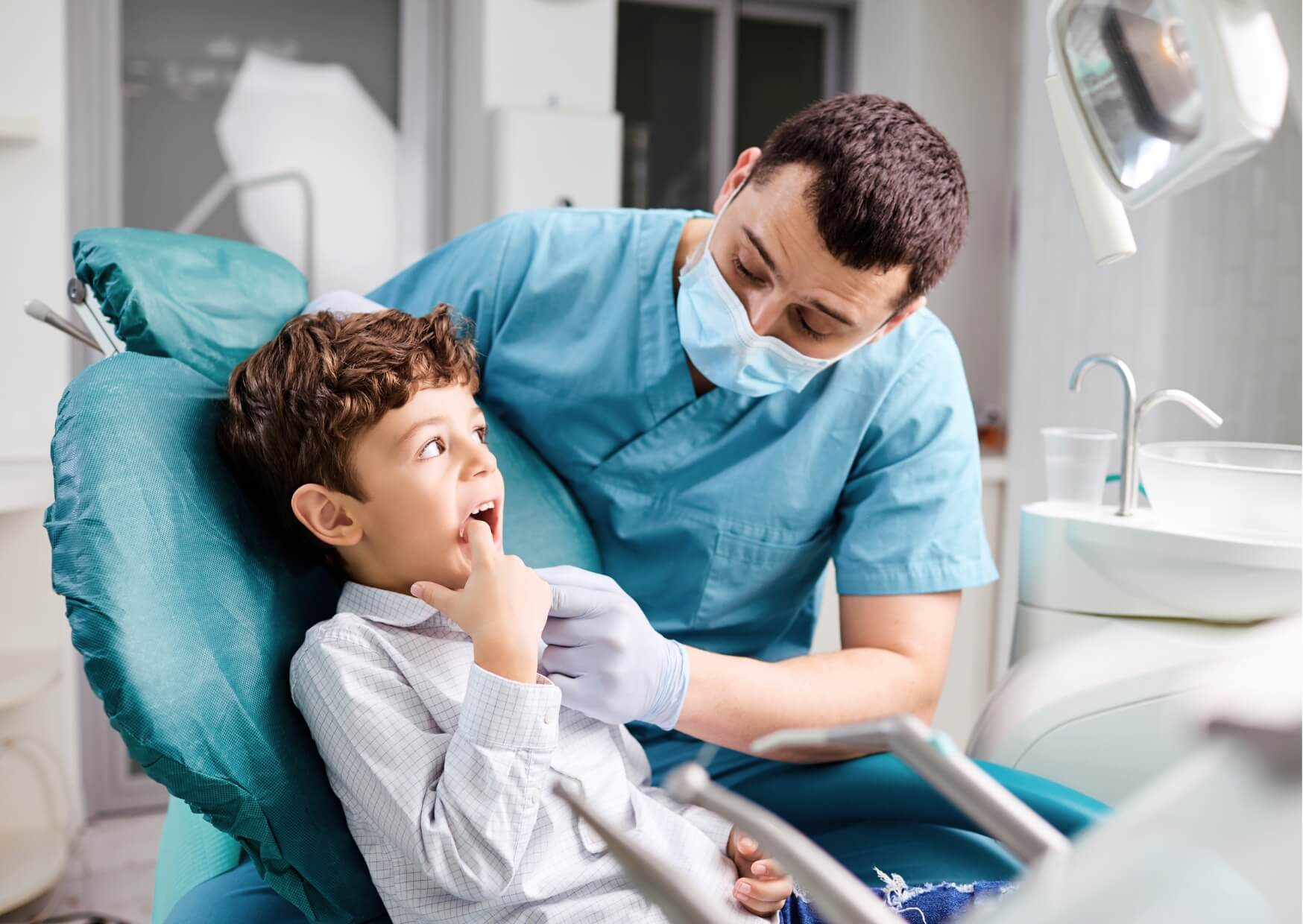
Most first visits are brief, gentle, and more educational than invasive. The dentist will usually examine the teeth, gums, bite, jaw development, and oral tissues, then talk with the parent or caregiver about habits and risk factors.
In many offices, the child may sit in a parent’s lap for part of the exam. That is not a sign that modern medicine has given up. It is often the easiest and least stressful way to examine a young child.
The visit may include:
Radiographs, also called dental X-rays, are not always needed at the first visit. They are used when clinically appropriate based on age, visible findings, symptoms, and cavity risk.
If a child is close to age 1 and still has no teeth, a dental visit can still be reasonable. In many cases, tooth eruption varies normally, but delayed eruption may deserve a closer look if there are other concerns.
A dentist can review development, examine the gums and oral tissues, and decide whether monitoring is enough or whether further evaluation makes sense. Not every delay is a problem, but guessing is not much of a plan.
Teething can cause gum irritation, drooling, and fussiness, but it does not usually cause severe illness. If a child has a high fever, marked swelling, poor feeding, or symptoms that seem out of proportion, a dentist or pediatric clinician should assess the situation.
These habits are common in infancy and early childhood. They are not automatically harmful, but prolonged or intense sucking can affect tooth position and bite development over time.
Children fall with astonishing commitment. If a tooth is chipped, pushed out of position, becomes loose after trauma, or the gums are bleeding heavily, a dental evaluation is appropriate even if the child seems otherwise fine.
Front teeth that develop chalky white lines or brown areas may have early decay, especially if a child often sleeps with a bottle or frequently sips milk, juice, or sweet drinks. Early childhood cavities can start subtly, and early treatment decisions are usually simpler than late ones.

Many children are seen every 6 months, but the exact schedule depends on cavity risk, oral hygiene, diet, fluoride exposure, and any active dental concerns. A child with early decay or higher risk may need closer follow-up.
This is where personalized advice begins. General guidance is useful, but the timing of future visits should come from a dentist who has actually examined the child.
Keep the explanation simple. Tell the child the dentist will count and check the teeth and help keep the mouth healthy.
Avoid promising that nothing unusual will happen, and do not use the visit as a threat. If a parent says, “If you keep eating candy, the dentist will be mad,” the child mostly learns that adults enjoy outsourcing discipline to strangers in masks.
Try to schedule the visit at a time when the child is usually rested and fed. Bring a list of questions about brushing, fluoride, diet, teething, injuries, or habits that may affect the teeth.
A good first dental visit should answer practical questions, not just produce a bill and a sticker. Useful questions include:
Those questions matter because prevention is built from small daily habits. The mouth usually reflects routines long before it reflects emergencies.
If you need care, Cap Dental's pediatric dentistry team in Boynton Beach, FL, also serving Lake Worth and West Palm Beach, can help; call (561) 560-8787 to schedule.
Usually within 6 months of that first tooth appearing, and no later than age 1. Even one tooth can develop early decay.
It may be later than ideal. Many children do fine, but waiting until age 3 can miss early cavity risk, feeding issues, or enamel changes that would have been easier to address sooner.
Yes. Preventive dental visits are meant to identify risk before pain or visible cavities develop.
That is common, especially in toddlers. Pediatric dental teams expect this and usually structure first visits to be short, low-pressure, and age-appropriate.
Yes. Baby teeth support eating, speech, comfort, and proper spacing for adult teeth. Untreated problems in baby teeth can still cause pain, infection, and difficulty with daily life.