If you are comparing teeth whitening options, the short answer is simple: professional whitening usually works faster and more predictably than store-bought products and may be more effective and longer-lasting. The right choice depends on the type of staining, your level of tooth sensitivity, and the condition of your teeth and gums.
Whitening can brighten many natural teeth, but it does not work on crowns, veneers, fillings, or bonding. It also does not fix every cause of discoloration, so a dental exam is often the best first step when stains are deep, uneven, or new.
Cap Dental in Boynton Beach, FL offers teeth whitening options and supervised treatments that may be the kind of care you are looking for.
Teeth can darken for many reasons. Common causes include coffee, tea, red wine, tobacco, aging, and plaque buildup.
Some stains sit on the enamel, which is the hard outer layer of the tooth. Others develop deeper inside the tooth and are harder to lighten.
Color changes can also happen after trauma, tooth decay, worn enamel, or certain dental materials. In those cases, whitening may help less, or it may not be the right treatment at all, and cosmetic options like veneers or bonding may be better choices.
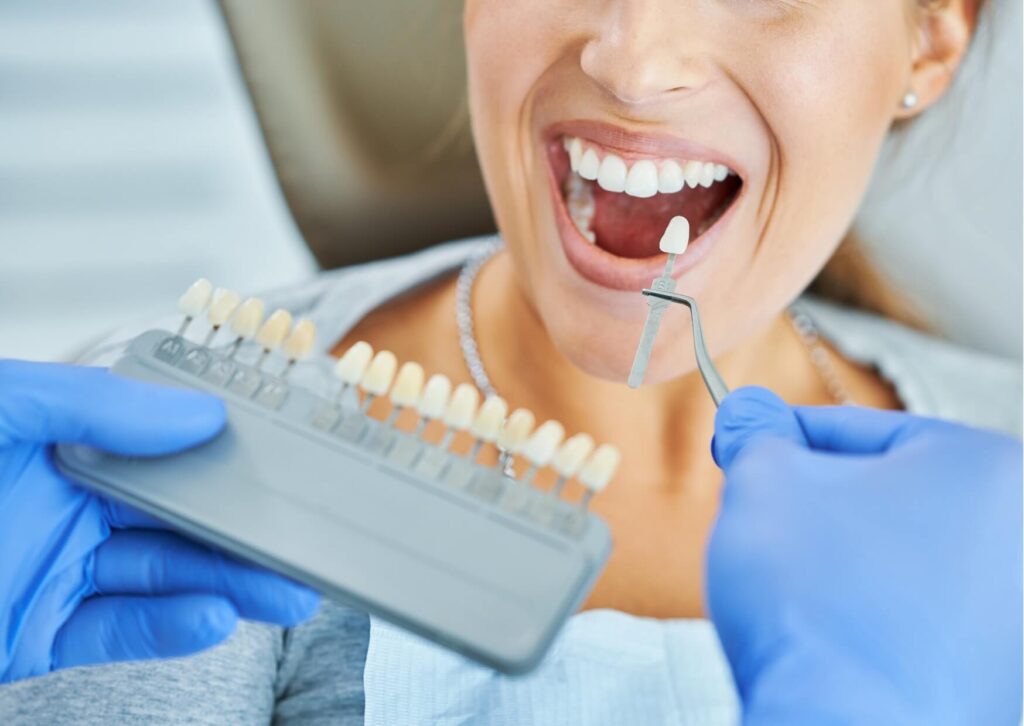
In-office whitening is done by a dental professional using stronger whitening gels and protection for the gums. This option usually creates the fastest visible change, often in one visit or a short series of visits.
Professional teeth whitening is often a good fit for patients who want quick, supervised results. It can also help when sensitivity, uneven color, or existing dental work makes treatment planning more important.
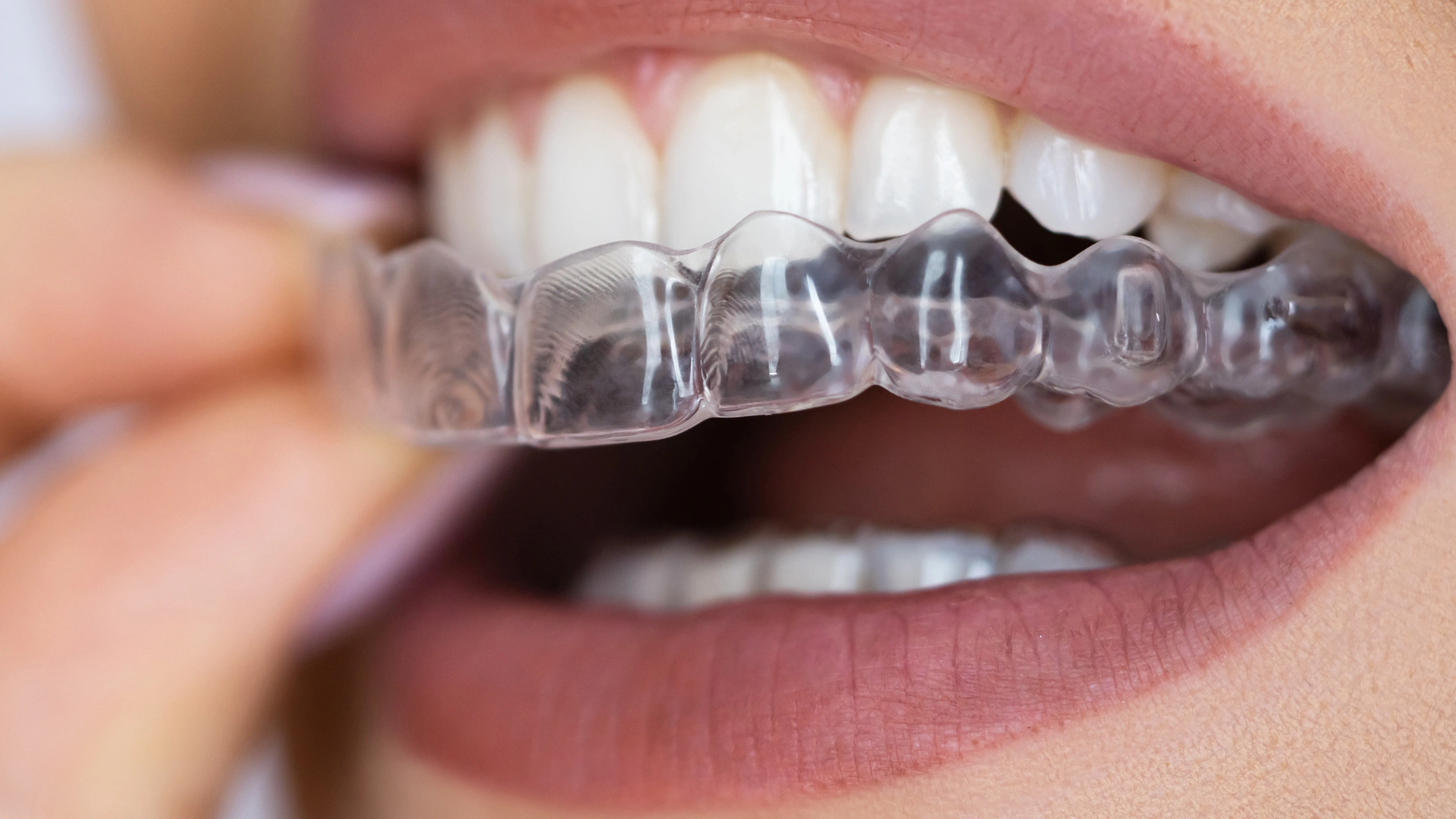
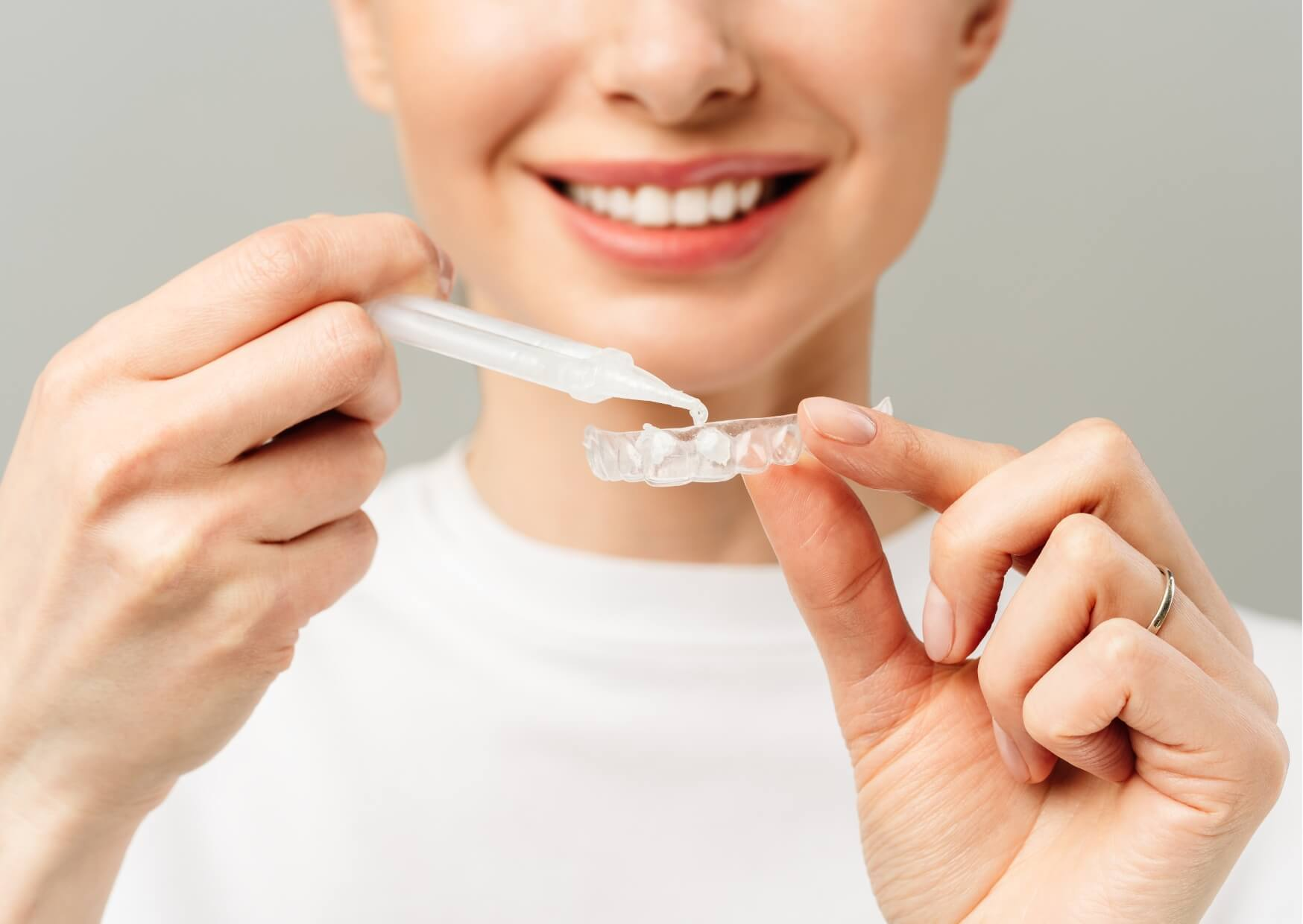
Custom trays are made to fit your teeth closely. That fit helps keep the whitening gel where it should be and reduces leakage onto the gums.
This option often balances effectiveness, comfort, and convenience. Many dentists recommend it for patients who want stronger results than store-bought kits but prefer to whiten gradually at home.
Whitening strips and similar kits are widely available and can work for mild to moderate staining. They are usually less expensive than professional treatment, but the generic fit can lead to less even results.
Some patients do well with these products. Others notice patchy whitening, gum irritation, or more sensitivity, especially if their teeth are already sensitive or the product is used too often.
These products usually remove some surface stain rather than changing the deeper internal color of the tooth. That means they may help maintain results, but they often do not create a dramatic shade change on their own.
A whitening toothpaste can still be useful for mild staining. It is just important to keep expectations realistic.
The best option depends on what is causing the discoloration. Surface stains from coffee or smoking may respond well to several methods, while deeper discoloration often responds better to professional care.
If you have fillings, crowns, veneers, gum recession, or sensitive teeth, the decision becomes more specific. A dentist can check whether whitening is likely to improve the overall color or make existing dental work stand out more.
One common mistake is choosing only by price or marketing claims. A better question is whether the product matches the reason your teeth look darker in the first place.
Whitening can often make natural teeth look cleaner, brighter, and less yellow or brown. It may also improve confidence when staining is the main issue.
It cannot remove every stain equally. Gray discoloration, internal staining, or color changes linked to trauma or root canal treatment may respond poorly and sometimes need a different approach.
If whitening alone is unlikely to give you the result you want, talk to a dentist about other cosmetic dentistry options. Whitening also cannot lighten restorations such as crowns, tooth-colored fillings, veneers, or bonding.
If those restorations show when you smile, you may need a plan that considers color matching after whitening. That can help your final result look more even and natural.
The most common side effect is tooth sensitivity after whitening. This usually feels like short, sharp discomfort with cold air, cold drinks, or brushing, and it often improves after treatment stops.
Bleaching sensitivity is common, especially with peroxide-based whitening. Gum irritation can also happen if whitening gel stays on the soft tissue too long.
Poorly fitting trays, overuse, and existing gum inflammation can make irritation more likely. Whitening should also be approached carefully if you have untreated cavities, cracked teeth, exposed root surfaces, or active gum disease.
In those situations, your teeth may be more vulnerable to pain, and the underlying problem should be treated first. Seek prompt dental care if you develop severe pain, swelling, a broken tooth, or one tooth that suddenly turns dark.
Results can last from several months to a few years. The range is wide because diet, smoking, oral hygiene, enamel wear, and the whitening method all play a role.
Dark beverages, tobacco, and inconsistent cleaning tend to shorten results. Professional cleanings and occasional maintenance guided by a dentist often help keep the color more stable.
Teeth naturally pick up stains again over time. That does not mean whitening failed; it usually means maintenance is part of the long-term plan.
Start by asking what kind of discoloration you have, how sensitive your teeth are, and whether you have visible dental work. Those details often matter more than the brand name on the box.
If your teeth have not been examined recently, a dental exam before whitening is a sensible step. It can identify decay, leaking fillings, gum recession, or other issues that may affect comfort and results.
For many patients, the safest route is to start with a professional opinion and then decide whether in-office treatment, custom trays, or a store product makes the most sense. That is often more efficient than trying multiple products without knowing the cause of the discoloration.
A professional dental cleaning can also remove surface stains and improve the effectiveness of whitening treatments.
Schedule a dental evaluation before whitening if you have tooth pain, bleeding gums, broken teeth, new dark spots, or one tooth that looks much darker than the others. These patterns may point to decay, infection, trauma, or gum disease rather than simple staining.
It is also smart to check first if you have crowns, veneers, bonding, braces, or a history of strong sensitivity. Whitening may still be possible, but the plan often needs to be adjusted.
A good whitening plan should improve your smile without creating avoidable sensitivity or leaving an untreated problem in place. If the color change is persistent, uneven, or hard to explain, a dentist can help you choose the most appropriate next step.
Cap Dental provides professional whitening in Boynton Beach and serves patients from nearby Lake Worth and West Palm Beach; call (561) 560-8787 to schedule an appointment.
Most whitening methods are safe when used as directed and when the teeth and gums are healthy. Problems are more likely when products are overused or when there is untreated decay, gum disease, or cracking.
In-office whitening usually works fastest because it uses stronger materials under professional supervision. Store-bought products often take longer and may give less even results.
They can help with mild to moderate surface staining, but they usually do not match the speed, fit, or predictability of professional whitening. They may still be a reasonable option for some patients with healthy teeth and modest goals.
Some discoloration is deeper inside the tooth and does not respond well to standard whitening. Worn enamel, internal staining, dental restorations, or natural tooth color may also limit the result.
When used appropriately, whitening products do not usually damage enamel in a clinically significant way. Overuse, misuse, or whitening teeth with untreated dental problems can increase discomfort and lead to avoidable complications.