Dental sealants are thin protective coatings placed on the chewing surfaces of back teeth to help prevent cavities. They are most often used on children’s permanent molars, but some adults can benefit too. Sealants are safe, quick to place, and helpful for reducing decay risk, but they do not replace brushing, flossing, fluoride, or routine dental care.
If you're deciding whether sealants or fluoride can reduce your child's risk of cavities or want extra protection for vulnerable molars, fluoride treatments & sealants can be an effective option. Cap Dental in Boynton Beach & Port St. Lucie, FL offers tailored preventive care to strengthen enamel and reduce decay risk for children and adults alike.
Molars and premolars often have deep pits and grooves that trap food, plaque, and bacteria. Even careful brushing may not fully clean these narrow areas.
Dental sealants flow into those grooves and harden into a smooth protective barrier. This makes it harder for cavity-causing bacteria to collect on the chewing surface.
Sealants protect the top of the tooth, not the spaces between teeth or near the gumline. That is why daily home care and regular exams still matter.
Children often get dental sealants soon after their permanent molars erupt, usually around ages 6 and 12. Sealing these teeth early can help protect them during the years when cavities are common. Families looking for child-focused care can learn more about pediatric dentistry and when to plan a child's dentist visit.
Adults may also benefit if they have deep grooves in molars that do not already have fillings or decay. A dentist will look at cavity history, tooth shape, oral hygiene, fluoride exposure, and whether the tooth can stay dry during placement.
Not every tooth is a good candidate. Teeth with clear cavities, large fillings, crowns, or partially erupted chewing surfaces may need monitoring or a different treatment.
Dental sealants are usually placed in one short visit. The process is painless for most people and normally does not require drilling or numbing.
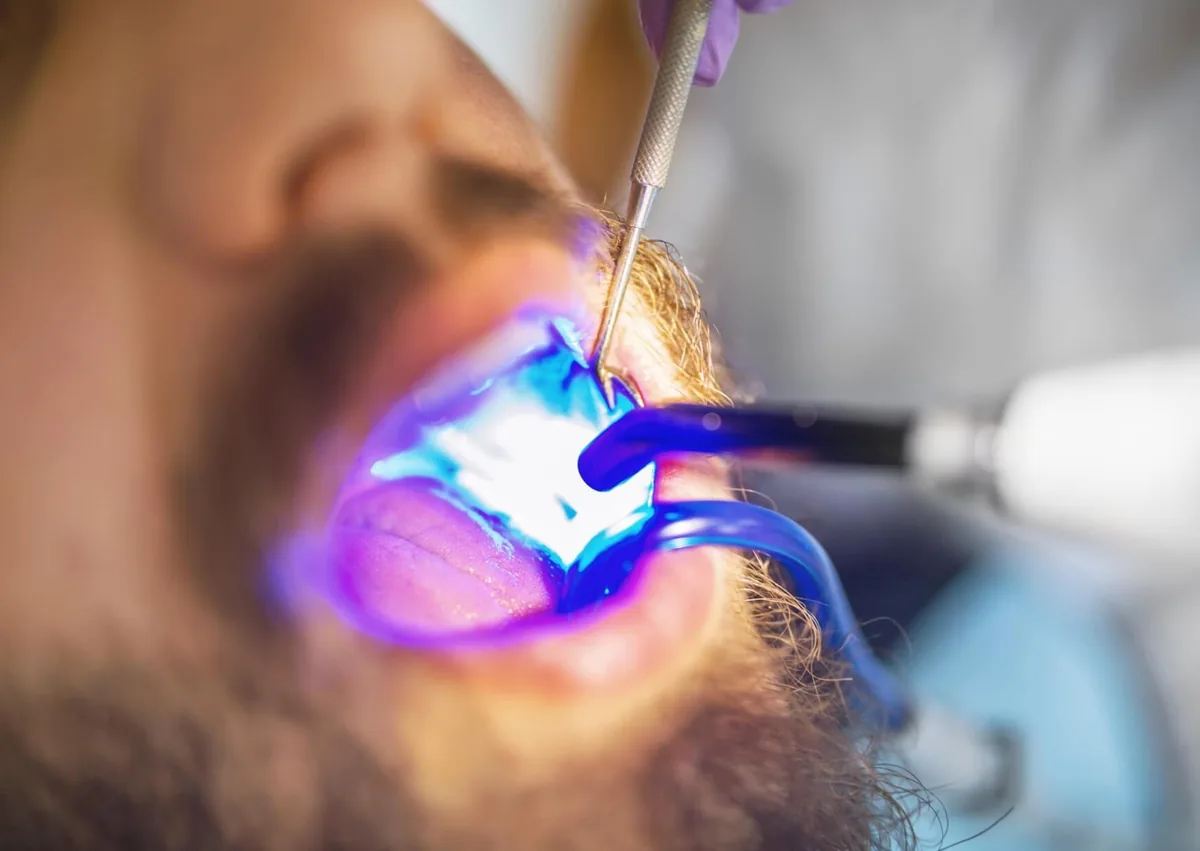
The tooth is cleaned first, then lightly conditioned with a gel so the sealant can bond well. After rinsing and drying, the sealant is painted into the grooves and hardened with a curing light.
No tooth structure is usually removed, which is why the process is considered conservative and comfortable. Keeping the tooth dry is important because moisture can affect how well the sealant bonds.
|
Stage |
What to Expect |
|---|---|
|
Cleaning |
Plaque and debris are removed from the grooves |
|
Preparation |
A gel lightly conditions the enamel surface |
|
Application |
Liquid sealant is painted into the pits and grooves |
|
Curing |
A special light hardens the material |
|
Bite check |
The dentist checks comfort and adjusts excess material if needed |
Your bite may feel a little different at first. If a tooth still feels high or uncomfortable after a day or two, contact the dental office for a bite check.
Dental sealants have been used for many years and are considered safe when properly placed. Some resin-based materials may contain trace amounts of bisphenol A, and information about BPA in sealants shows that exposure is very low and brief.
In some cases, a sealant may cover a very early area of decay that was not visible during the exam. When bacteria are sealed off from nutrients, the area may stop progressing, which is one reason this topic comes up in discussions of cavity healing. If deeper decay is suspected, the tooth needs proper evaluation rather than simple coverage.
Sealants can wear down, chip, or come off over time. This is more likely in people who grind their teeth or chew hard objects.
Dental sealants can last for several years, but they should be checked during routine dental visits. If part of a sealant wears away, a dentist may be able to repair or replace it.
Most people can eat and drink after the material has hardened unless the dental team gives different instructions. Avoid chewing ice, hard candy, pens, or other hard objects that can damage sealants and natural teeth.
Brush twice a day with fluoride toothpaste and clean between the teeth daily. Sealants add protection, but they do not protect every tooth surface. Ongoing preventive dentistry visits help monitor both the sealants and the surrounding enamel.
Schedule a dental visit if a sealed tooth develops ongoing sensitivity, pain when biting, a rough edge, a missing area of material, darkening, or visible damage. These changes do not always mean a cavity is present, but they should be checked.
Seek prompt care for severe or worsening tooth pain, swelling of the gums or face, fever with dental symptoms, pus, or trouble opening the mouth. Difficulty breathing or swallowing with facial or neck swelling is a medical emergency.
A dentist can confirm whether dental sealants are a good option by examining the teeth and reviewing cavity risk. Regular follow-up also helps catch worn sealants or early dental problems before they become more serious.
The next step is a brief evaluation to determine whether sealants and fluoride can help protect specific molars and reduce future cavities. Cap Dental focuses on fluoride treatments & sealants in Boynton Beach & Port St. Lucie, FL, call (561) 560-8787 or book an appointment online to get personalized recommendations.
Dental sealants often last several years, but the exact timeline depends on bite forces, grinding, diet, and oral habits. They should be checked at routine dental visits and repaired or replaced when needed.
Dental sealants are usually meant for sound grooves on teeth without large restorations. In selected cases, a dentist may use a related resin material around a small filling, depending on the tooth.
No. Children are common candidates because newly erupted permanent molars are especially cavity-prone, but some adults with healthy molars and deep grooves may also benefit.
Placement usually does not hurt because it normally does not involve drilling or injections. Some people notice a temporary change in their bite, which should be checked if it does not settle.
Coverage varies by plan, age, tooth, and cavity-risk criteria. Check your preventive benefits and ask the dental office for an estimate before treatment.