If a child loses a baby tooth too early, nearby teeth can start drifting into that space. A dental spacer for kids, also called a space maintainer, helps hold that gap open so the adult tooth has a better chance to come in where it should.
In most cases, a spacer is small, simple, and temporary. It does not straighten teeth by itself, but it can help prevent crowding, blocked eruption, and more complicated treatment later.
Cap Dental's pediatric dentistry team in Boynton Beach, FL provides evaluations and space maintainer care for children.
The most common reason is early loss of a baby tooth from tooth decay, infection, trauma, or extraction. Baby teeth help with chewing and speech, but they also guide adult teeth into place.
When a baby tooth is lost months or years before the permanent tooth is ready, the teeth next to it may tip or slide. That movement can reduce the room available for the incoming adult tooth.
A dentist may recommend a spacer when the missing tooth is in an area where space loss is likely. This is especially common with back baby teeth, which help preserve arch length, or the amount of room available in the jaw for future teeth.
A pediatric dentist can assess early tooth loss and decide whether a space maintainer is needed; learn more about our pediatric dentistry services.
A spacer, or space maintainer, keeps neighboring teeth from moving into an empty area. The goal is to preserve the space until the permanent tooth is ready to erupt.
This matters because once space is lost, it often does not return on its own. In some children, that can lead to crowding or impacted teeth, meaning teeth that get stuck or come in at the wrong angle.
A spacer does not guarantee a child will avoid braces later. It is a practical preventive step that helps protect normal dental development.
The type used depends on which tooth was lost, the child’s age, and how likely the space is to close.
A fixed spacer attaches to a tooth and stays in place until the dentist removes it. Many are made of metal and use a small band around a tooth with a wire extending into the open space.
Fixed designs are common because they do not depend on a child remembering to wear them. For younger children, this is often the most reliable option.
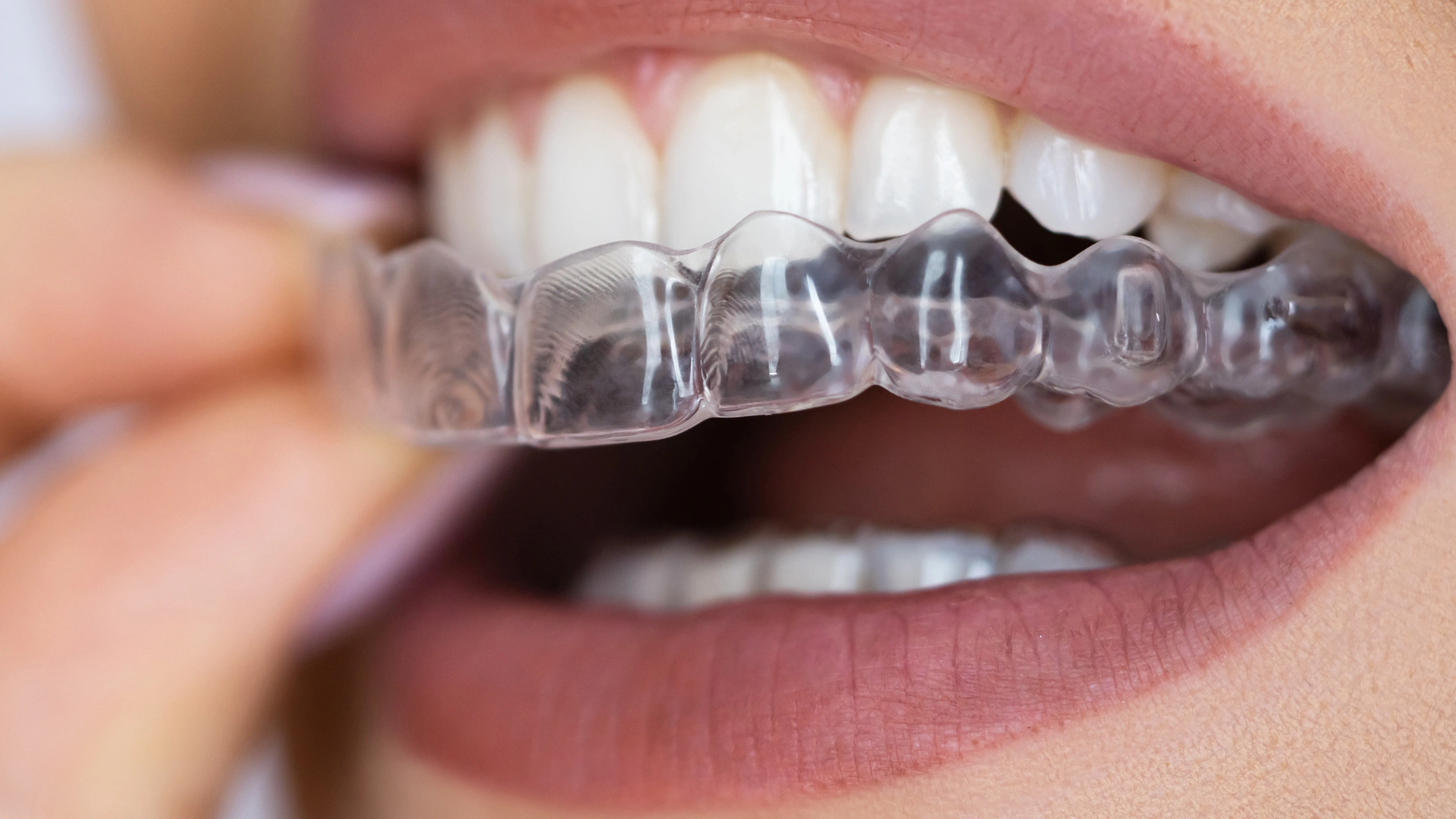
A removable spacer looks somewhat like a small retainer. It may be used in selected cases, usually when a child is older and can manage it responsibly.
This type can work well, but only if it is worn as instructed. If it is left out often, the space may still begin to close.
Getting a spacer is usually a straightforward visit. The dentist examines the area, may take an X-ray to check the developing adult tooth, and then chooses the right design. In many offices, that X-ray is a digital X-rays scan to confirm timing and position.
Placement is typically not painful. A child may feel pressure, tightness, or simple awareness of something new against the tongue or cheek for a few days.
Mild soreness can happen at first, especially with chewing. That usually improves as the mouth adjusts, but persistent pain should be checked.
Most children adapt quickly, but the spacer needs daily attention. Food and plaque, the sticky film of bacteria on teeth, can collect around it more easily.
Brushing should be gentle but thorough around the band or wire. If the dentist gives cleaning instructions for that specific appliance, those directions matter because each design is a little different.
Sticky foods are often the biggest problem. Chewy candy, gum, and similar foods can loosen or bend a fixed space maintainer.
Hard foods can also cause trouble if a child bites directly on the appliance. In everyday terms, that means being careful with ice, popcorn kernels, and very crunchy snacks.
There is no single timeline for every child. A spacer may stay in place for several months or, in some cases, longer than a year.
The dentist usually monitors the area with routine exams and sometimes X-rays. The spacer is removed when the permanent tooth is close enough to erupt and the space no longer needs support.
That is one reason follow-up visits matter. Leaving a spacer in too long or missing signs that the adult tooth is coming in can create avoidable problems.
A spacer should not cause ongoing pain. If a child says it feels sharp, loose, or suddenly different, it should be checked.
Call the dental office if the spacer falls out, bends, rubs the gums, or traps food so badly that cleaning becomes difficult. A loose appliance may stop doing its job, and in some cases it can be swallowed or inhaled.
Watch for swelling, bleeding, bad odor, or pain with chewing around the area. These signs may point to irritation, decay on a nearby tooth, or a gum problem that needs attention.
If a child has trouble breathing, choking, or severe swelling, seek urgent medical care right away. Those symptoms are not typical and should not wait for a routine dental appointment.
Some children notice a mild speech change for a short time, especially with certain sounds. This usually improves as the tongue adapts.
A spacer should not keep a child out of school or regular daily activities. Most children eat, talk, and function normally after a brief adjustment period.
If discomfort is interfering with sleep, eating, or concentration after the first few days, ask the dentist to reassess the fit.
Sometimes, but not always. A spacer helps protect space that is already there, but it does not correct every bite problem or guide every tooth into perfect alignment.
Some children still need orthodontic treatment later because crowding, jaw growth patterns, or tooth size differences can develop for other reasons. Even so, preserving space early is often the more conservative and simpler approach.
If a child loses a baby tooth much earlier than expected, it is smart to have the area evaluated soon. This is especially important if the lost tooth was a back baby tooth or was removed because of decay or infection.
A dentist can check whether a spacer is needed, whether the adult tooth is developing normally, and how much risk there is for space loss. That decision depends on timing, location, and the child’s stage of growth. A thorough dental exam gives the dentist the information needed to make that call.
If you are unsure whether the tooth came out early or whether a spacer is necessary, a pediatric dental exam can give a clear answer before the teeth begin shifting; learn more about pediatric dental visits.
For pediatric dentistry at Cap Dental in Boynton Beach, FL, serving families from Lake Worth and West Palm Beach, call (561) 560-8787 to schedule.
No. Some children do not need one, especially if the permanent tooth is close to erupting or if the missing tooth is in a lower-risk position. The decision depends on age, tooth location, and how soon the adult tooth is expected.
Placement is usually not painful. Mild soreness or pressure can happen for a few days, but ongoing pain should be checked by a dentist.
Call the dental office as soon as possible. If the space starts closing, replacing the appliance later may become more difficult.
Usually yes. Most children can eat normally after a short adjustment period, but sticky and very hard foods are more likely to damage the appliance.
No. A spacer holds space open after early tooth loss. Braces move teeth to improve alignment or bite.