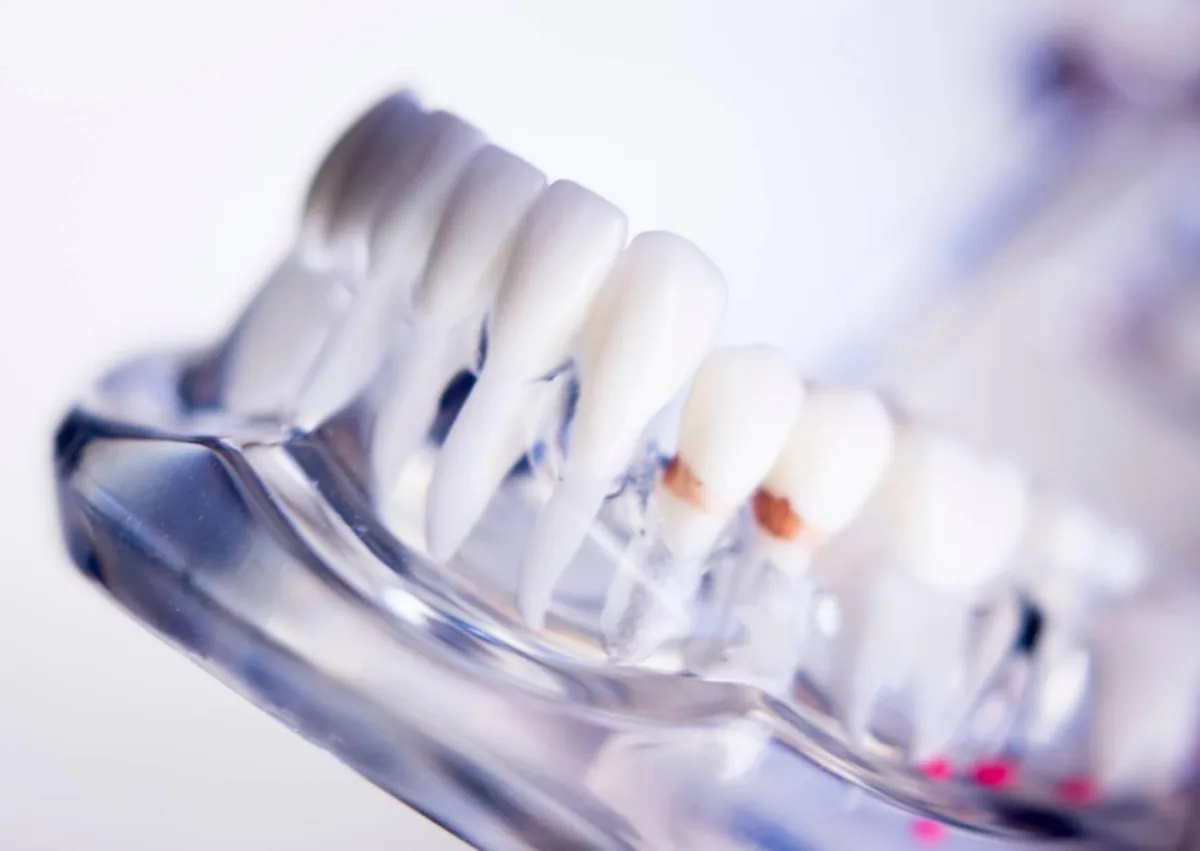
To remove plaque from teeth, brush twice a day with fluoride toothpaste and clean between your teeth once a day with floss, interdental brushes, or another dentist-recommended tool. Soft plaque can usually be removed at home, but hardened plaque, called tartar or calculus, needs professional dental instruments such as a teeth cleaning.
If you have persistent hard deposits or repeated bleeding despite good home care, a teeth cleaning can show whether tartar or deeper buildup needs in-office treatment. Cap Dental in Boynton Beach, FL provides professional cleanings that remove tartar and help restore healthy gums and fresher breath.
Plaque is a sticky film of bacteria that constantly forms on teeth and along the gumline. If it is not removed regularly, it can lead to cavities, gum irritation, bad breath, and eventually gum disease.
Brush for two minutes, twice a day, with a soft-bristled manual or electric toothbrush. Angle the bristles toward the gumline and use gentle circular motions on the front, back, and chewing surfaces of every tooth.
Choose a fluoride toothpaste with the American Dental Association Seal of Acceptance when possible. Spit out the toothpaste after brushing without rinsing right away, since leaving a small amount of fluoride on the teeth may provide longer protection against decay.
Brushing harder does not remove plaque better. A stiff brush or aggressive technique can irritate the gums and contribute to enamel wear or gum recession.
A toothbrush does not clean well where teeth touch each other. That is why it is important to clean between the teeth once a day.
Slide floss gently between the teeth, curve it into a C shape against one tooth, and move it up and down along the side. Then repeat on the neighboring tooth without snapping the floss into the gums.
Interdental brushes can work well around braces, bridges, implants, wider spaces, or areas with gum recession. A water flosser may also help when regular floss is hard to use, although the best option depends on your tooth spacing and any dental work you have.
Plaque can absorb minerals from saliva and harden into tartar, sometimes within just a few days. Once that happens, the buildup becomes too hard to remove with brushing or flossing alone.
Tartar may look yellow, tan, brown, or black. It often feels rough and firmly attached near the gumline.
|
Buildup |
Typical Features |
Safe Removal |
|---|---|---|
|
Plaque |
Soft, sticky, often colorless |
Brushing and cleaning between teeth |
|
Tartar |
Hard, rough, firmly attached |
Professional dental cleaning |
|
Surface stain |
Discoloration from foods, drinks, or tobacco |
Professional evaluation and polishing when appropriate |
Do not try to scrape tartar off at home with metal tools, fingernails, or sharp objects. That can injure the gums, scratch teeth or restorations, and leave buildup below the gumline.
Plaque-control or antimicrobial mouth rinses may support your routine, but they do not replace brushing and cleaning between the teeth. Some rinses can cause staining, taste changes, or irritation, so follow the label and ask a dentist whether a product is right for you.
Plaque-disclosing tablets or solutions can highlight missed areas and help improve your brushing technique. They show plaque, but they do not remove it.
Whitening products do not treat plaque or tartar. Abrasive powders, undiluted peroxide, acidic mixtures, charcoal products, and household tools can irritate oral tissues or damage tooth surfaces.
Your teeth may feel smoother right after thorough brushing and interdental cleaning. Mild bleeding can happen when inflamed gums are cleaned, but it should improve with consistent gentle care.
If bleeding is frequent, heavy, or does not improve, schedule a dental exam. Regular visits for preventive dentistry services such as fluoride and routine cleanings also help reduce plaque buildup.
Parents can find guidance on when to see a dentist for children. Cleaning intervals vary based on tartar buildup, cavity history, gum health, dry mouth, tobacco use, diabetes, orthodontic appliances, and other risk factors.
Cut back on frequent sugary or starchy snacks and drinks, especially between meals. Drink water, avoid tobacco, and replace your toothbrush or brush head about every three to four months, or sooner if the bristles fray.
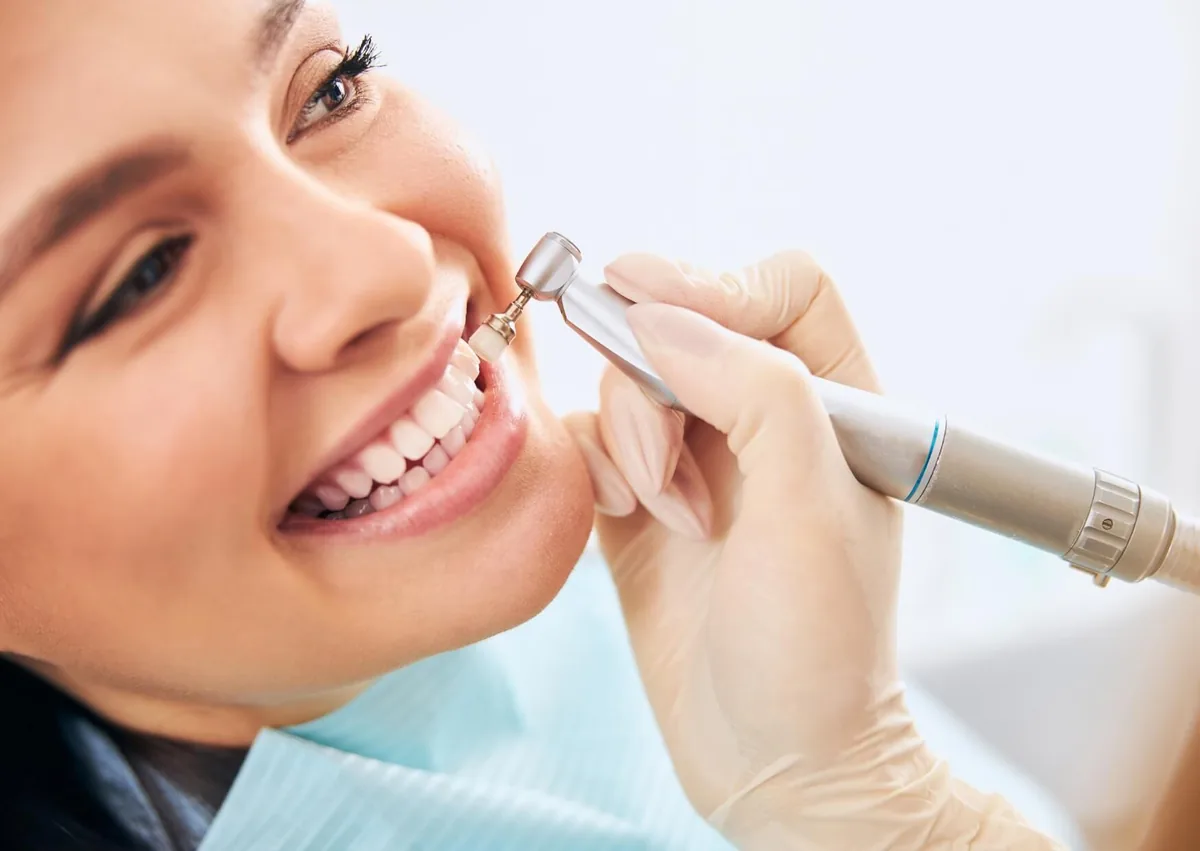
Schedule a dental visit if hard deposits remain after brushing, your gums keep bleeding or swelling, bad breath does not improve, or your teeth become sensitive or loose. Receding gums, pus near the gumline, pain when chewing, or a change in how your teeth fit together can also point to gum disease or another problem.
When plaque and tartar extend below the gumline, scaling and root planing may be recommended. This deeper cleaning helps remove buildup from the root surfaces and reduce periodontal pocket depth.
Seek urgent dental or medical care for rapidly increasing facial or jaw swelling, fever with dental pain, difficulty swallowing, difficulty breathing, or swelling near the eye. These symptoms may suggest a spreading infection and should not be managed with home plaque-removal methods.
A professional evaluation can tell the difference between plaque or tartar and other problems such as tooth decay, staining, damaged restorations, or gum disease. Prompt care matters most when symptoms are severe, worsening, persistent, or hard to explain.
For buildup that does not respond to careful brushing, the next step is a professional cleaning to remove tartar and assess gum health. Call Cap Dental for teeth cleaning in Boynton Beach, FL at (561) 560-8787 to schedule your appointment or book online.
Most soft plaque can be disrupted during one careful brushing and interdental-cleaning session. Plaque starts forming again soon after, and tartar cannot be brushed or flossed away.
Some mouth rinses can reduce certain plaque-causing bacteria, but they cannot physically clean every tooth surface. Use mouthwash as a supplement, not a replacement for brushing and interdental cleaning.
Bleeding often happens when plaque has inflamed the gums, but brushing or flossing too forcefully can also cause injury. Use a gentle technique and arrange a dental evaluation if bleeding is frequent, heavy, painful, or does not improve.
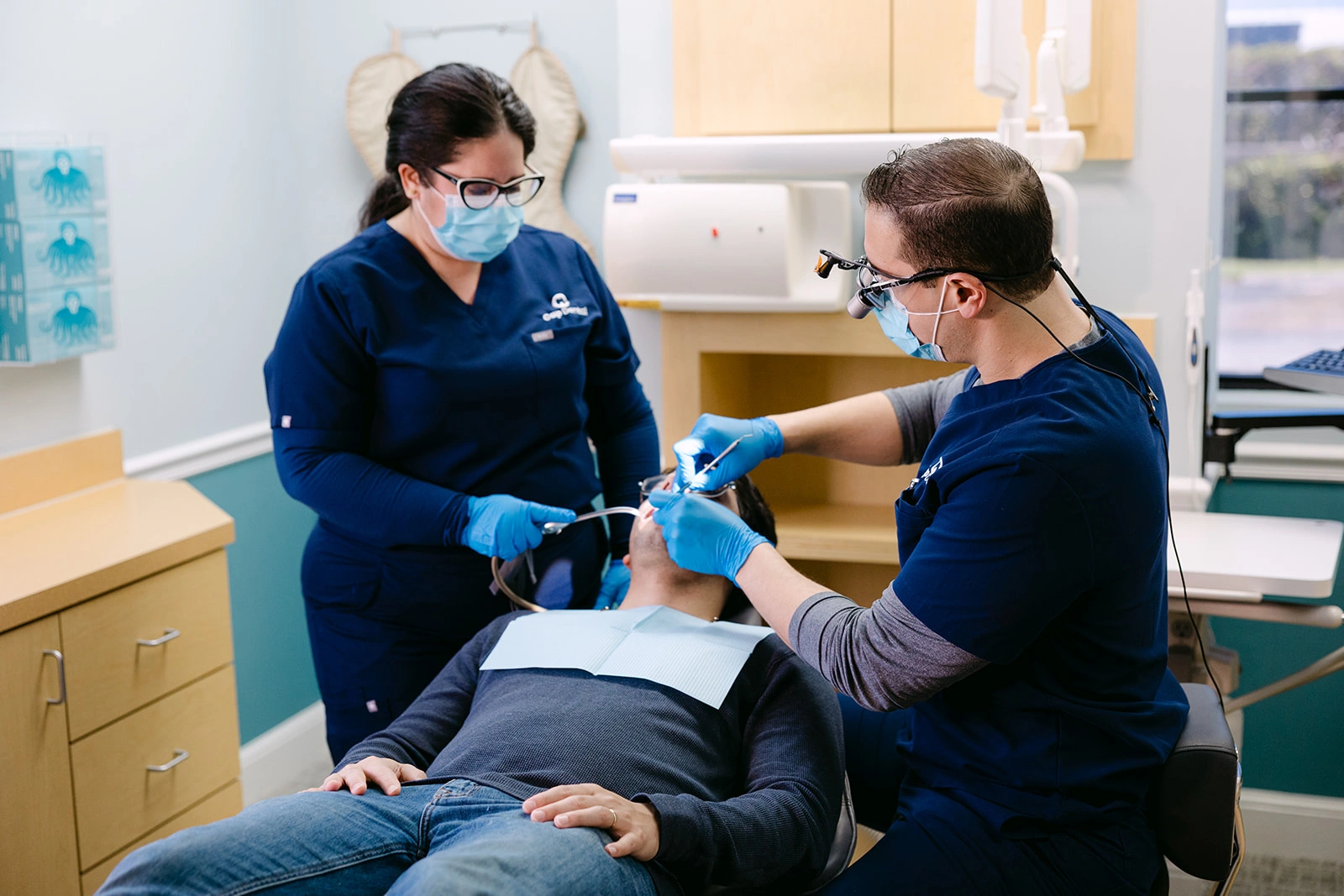
Yes. Dental professionals use specialized instruments to remove plaque and tartar above and below the gumline, with the type of cleaning based on your gum health and the depth of the deposits.