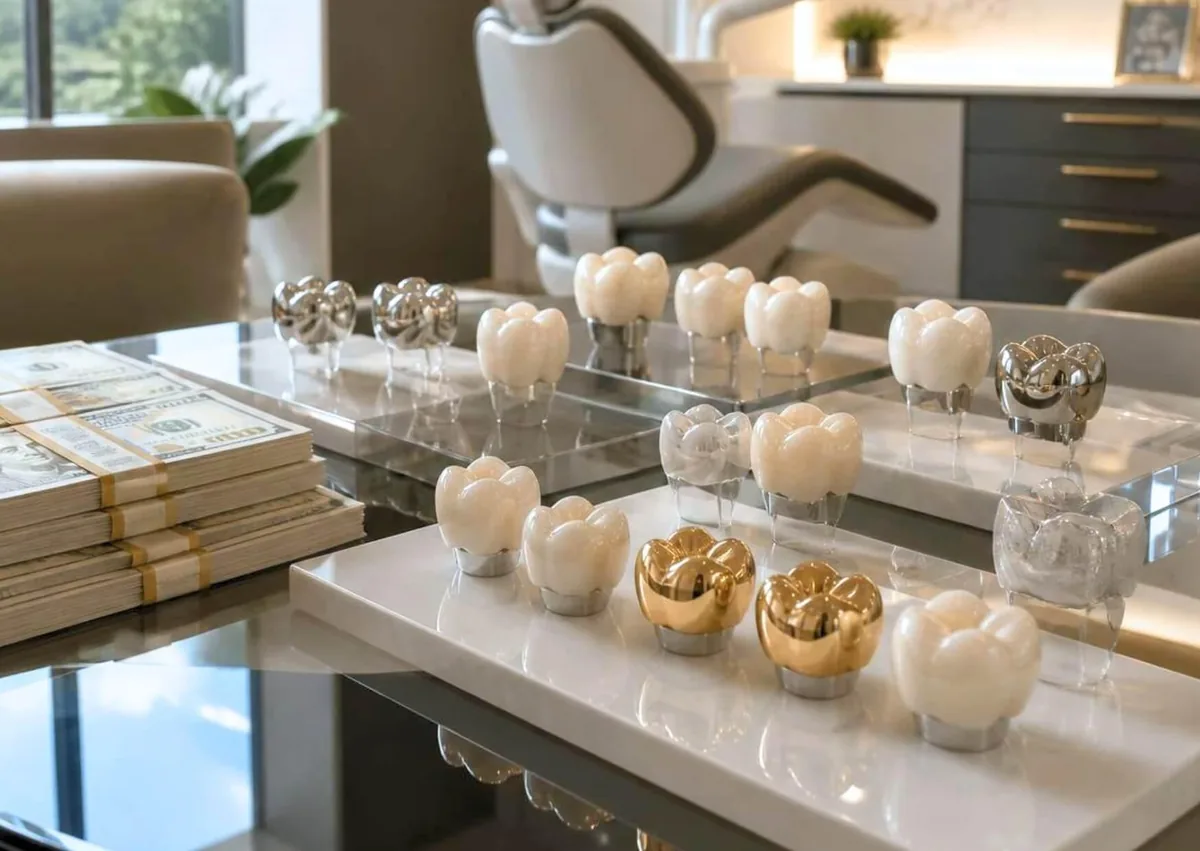
The main types of dental crowns are zirconia, porcelain or ceramic, porcelain-fused-to-metal, metal, and resin. In the United States, a crown often costs about $1,000 to $2,500 per tooth before insurance, but the final price depends on the material, the tooth being treated, lab work, and whether other procedures are needed.
A crown is a custom cap that covers and protects a damaged or weakened tooth. The best crown is not always the most expensive one. Appearance, bite force, remaining tooth structure, allergies, and expected lifespan all matter when choosing the right option.
If you’re weighing material, longevity, or aesthetics for a damaged tooth, an evaluation for crowns & bridges can clarify which restoration fits your needs. Cap Dental in Boynton Beach, FL can review options, explain costs, and recommend a practical plan tailored to your bite and budget.
These price ranges are broad estimates for one crown. They may not include the exam, X-rays, buildup, root canal treatment, gum treatment, or replacement of an old restoration.
Local fees and case complexity can change the total significantly. A written treatment plan is the best way to understand your actual cost.
|
Crown Type |
Common Uses and Features |
Approximate Cost Before Insurance |
|---|---|---|
|
Zirconia |
Strong tooth-colored material; often used for back teeth and some front teeth |
$1,000 to $2,500 |
|
All-porcelain or ceramic |
Natural appearance; commonly selected for visible teeth |
$1,000 to $2,500 |
|
Porcelain-fused-to-metal |
Tooth-colored outer layer over metal; combines appearance and strength |
$900 to $2,400 |
|
Gold or other metal alloy |
Durable and conservative of tooth structure; metallic appearance |
$900 to $2,500 or more |
|
Composite resin |
Lower initial cost but generally less resistant to wear and fracture |
$600 to $1,500 |
|
Stainless steel |
Usually a temporary adult crown or a prefabricated crown for a primary tooth |
Varies by use and setting |
Quoted prices are estimates, not guaranteed fees. For a general university-based overview of crown costs, compare that information with your dentist's written treatment plan.
Zirconia is a strong ceramic that handles heavy chewing pressure well. It is often used for molars and may be a good option for people who clench or grind.
It is tooth-colored, but the final appearance depends on the type of zirconia, the design, and the polish. In some cases, a dentist may prefer a different ceramic for the most natural front-tooth appearance.
These crowns are known for their natural color and translucency. They are often chosen for front teeth because they can closely match natural enamel.
Some ceramic materials are also strong enough for back teeth. The right choice depends on your bite, the tooth location, and how much healthy tooth remains.
A porcelain-fused-to-metal crown has a metal base covered with tooth-colored porcelain. It can offer a balance of strength and appearance.
The porcelain can chip over time, and a dark line may become visible near the gumline. That is one reason some patients now prefer all-ceramic options when appearance matters most.
Gold and other metal alloy crowns are highly durable and often require less tooth reduction than some other types. They are especially useful in back teeth where strength matters more than appearance.
Their main drawback is color. Because they look metallic, they are less commonly used in visible areas.
Resin crowns usually have a lower upfront cost. However, they are more likely to stain, wear down, or fracture than other crown materials.
For that reason, they are often used as temporary or short-term restorations rather than the best long-term solution.
The crown material is only one part of the total fee. The condition of the tooth often has the biggest effect on cost, especially if decay or a fracture extends deep into the tooth; see can a cavity heal for related background.
Costs may increase when treatment also includes:
Dental insurance may cover part of a crown if it is considered medically necessary. Coverage often depends on your deductible, annual maximum, waiting period, and replacement rules.
Cosmetic upgrades or certain materials may receive less coverage. Ask for both the dental office estimate and your insurer's written benefit details.
A dentist will usually review X-rays, remaining tooth structure, gum health, bite, tooth position, and cosmetic goals before recommending a crown material. The right choice should fit both the tooth's needs and your priorities.
A crown may not be the best option if the tooth cannot be restored predictably. Depending on the findings, alternatives may include a filling, inlay, onlay, extraction, dental implants, or a bridge; for more on implant alternatives, see dental implants pros and cons and cost of dental implants.
Ask how long the proposed crown is expected to last, why that material fits your tooth, and whether the quote includes a temporary crown and follow-up adjustments. It is also reasonable to ask about lower-cost clinically appropriate options, payment plans, and whether being in-network changes the fee.
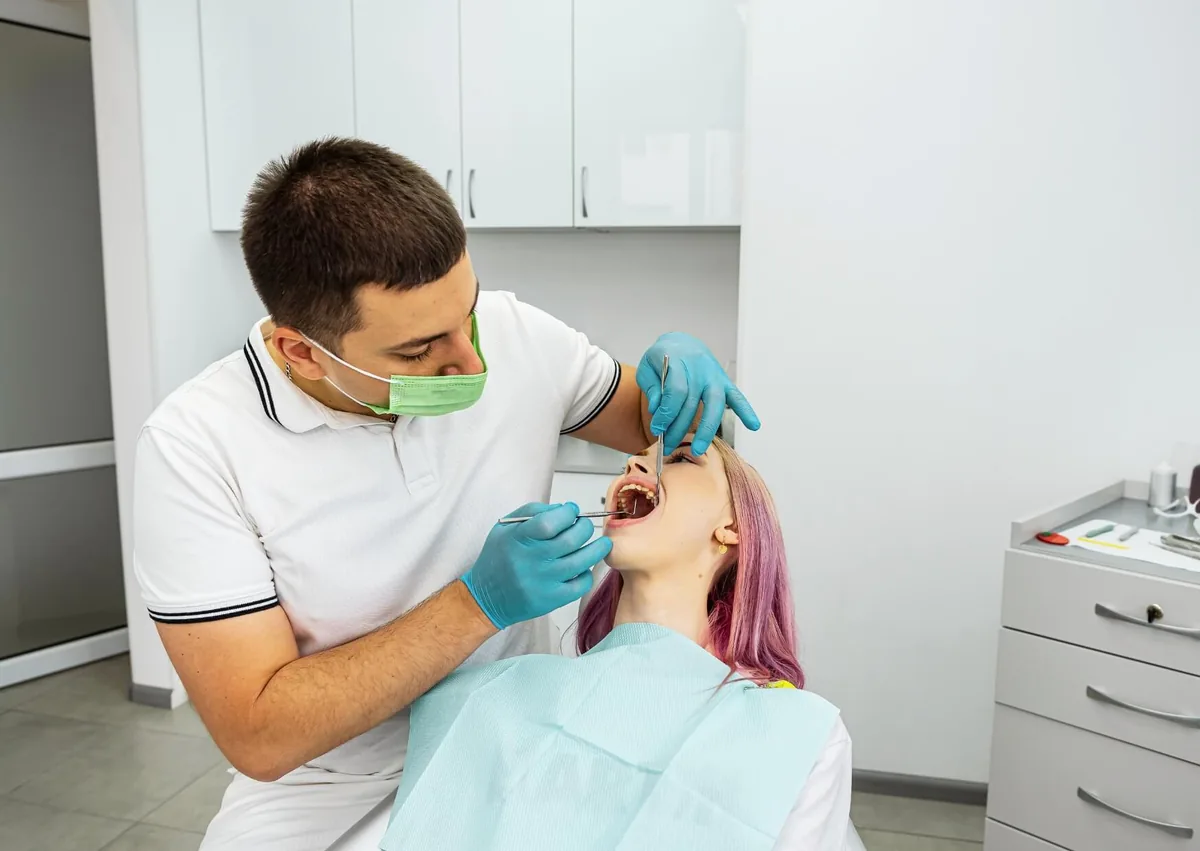
Traditional crown treatment often takes two visits. At the first visit, the dentist numbs the area, removes decay or weak tooth structure, shapes the tooth, takes a scan or impression, and places a temporary crown.
At the second visit, the permanent crown is checked for fit, bite, and appearance before it is cemented. Some offices can make certain crowns in one visit with computer-aided technology.
Same-day treatment can be convenient, but it is not automatically better for every case. The best approach depends on the tooth, the material, and the office's technology.
Mild gum soreness or temperature sensitivity can happen for a few days after treatment. Contact the dentist if pain gets worse, your bite feels uneven, the temporary crown comes off, or the permanent crown feels loose.
Brush twice a day with fluoride toothpaste and clean between the teeth daily. Crowns do not get cavities, but the natural tooth at the crown margin can still decay.
Avoid chewing ice, hard candy, and nonfood objects. If you clench or grind, a dentist may recommend a custom night guard.
Regular dental visits help check the crown edge, the surrounding gums, and the tooth underneath. Do not wait if a crowned tooth becomes sensitive, painful, chipped, loose, or hard to clean.
Schedule a dental visit for a cracked tooth, pain when biting, a large failing filling, or a tooth that has had root canal treatment and needs protection. Early care may preserve more tooth structure and reduce the risk of a severe fracture.
Seek prompt care for severe or worsening pain, facial or gum swelling, pus, fever, or trouble opening the mouth. Trouble breathing or swallowing with dental swelling requires emergency medical care, because the infection may be spreading.
A dentist can confirm whether a crown is needed, compare materials, and provide a personalized estimate before treatment begins.
For a definitive recommendation and cost estimate, arrange a consultation to have your tooth examined, impressions or scans taken, and treatment options reviewed. Call Cap Dental in Boynton Beach, FL for crowns & bridges and related care at (561) 560-8787 to schedule your visit.
Many crowns last 5 to 15 years, and some last longer with good care. Material, bite forces, grinding, hygiene, decay risk, and the amount of supporting tooth all affect lifespan.
Resin and some metal-based crowns may have lower initial fees, but prices vary by region and clinical situation. The lowest upfront price may not offer the best long-term value if the crown is more likely to wear or fracture.
All-ceramic crowns often provide the most natural color and translucency, especially for front teeth. Zirconia can also look very natural, depending on the material, shade, lab work, and gumline.
Many plans cover a percentage of a medically necessary crown after the deductible, but annual maximums and waiting periods may apply. Preauthorization can help clarify expected benefits, although it is not always a guarantee of payment.
No. A root canal is usually recommended only when the pulp is irreversibly inflamed, infected, or no longer vital, not simply because a crown is being placed.
A small porcelain chip can sometimes be smoothed or repaired, depending on where it is and how stable the crown remains. A loose, badly fractured, poorly fitting, or decayed crown often needs to be removed and replaced after evaluation.