Affordable dental implants in Boynton Beach, FL are often possible when treatment is planned carefully and the full cost is reviewed upfront. The best value usually comes from comparing complete written estimates, understanding what is included, and choosing a treatment plan that fits your oral health, budget, and long-term goals.
If you're deciding whether to replace missing teeth or are worried about a loose denture, dental implants can provide a durable, bone-preserving solution tailored to your needs. Cap Dental in Boynton Beach, FL helps patients compare implant and restoration options with clear estimates and personalized plans to clarify costs and expected outcomes.
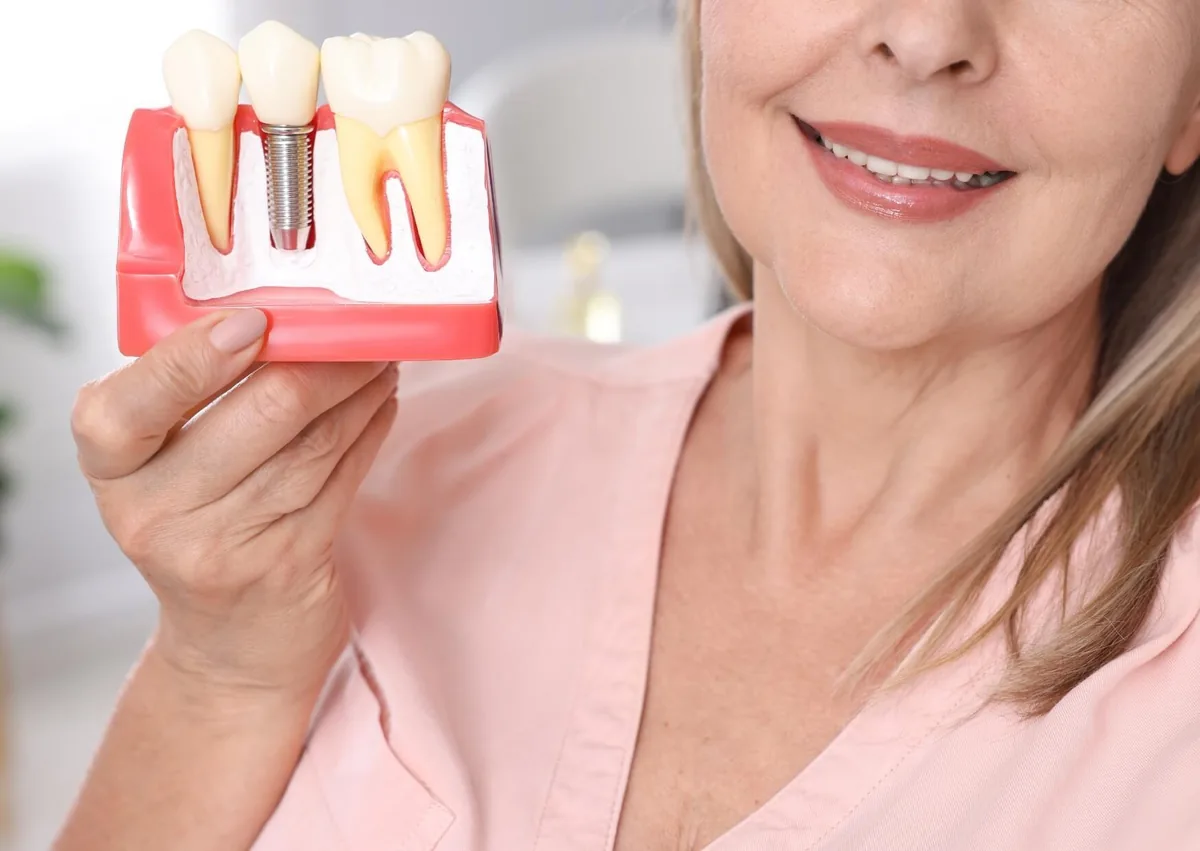
A dental implant is a titanium or ceramic post placed in the jawbone to replace a missing tooth root. After healing, it supports an abutment and a crown, bridge, or denture.
A complete quote may include the exam, digital x-rays, implant placement, abutment, final restoration, follow-up visits, and sedation if needed. Ask for an itemized estimate because some advertised prices cover only the implant post.
Extra procedures can raise the total cost. Tooth removal, bone grafting, gum disease treatment, a temporary tooth, or specialist care may be needed based on your oral health and bone support.
If a tooth must be removed before implant treatment, ask about tooth extraction options and related fees at the same time.
The number of missing teeth matters. One missing tooth may need one implant and one crown, while several missing teeth may be restored with an implant-supported bridge instead of one implant for each tooth.
Bone volume also affects cost because implants need enough support in the jaw. Bone loss after tooth loss or gum disease may mean grafting is needed before or during implant placement.
Other factors include materials, lab work, imaging, sedation, and surgical complexity. Fees may also vary based on the training of the treating clinician and whether care involves a general dentist, oral surgeon, periodontist, or prosthodontist.
The right option depends on how many teeth are missing, how much bone is available, your health history, and your goals for comfort and maintenance. An exam is the only way to know which option is appropriate.
|
Treatment Option |
Common Use |
Cost Considerations |
Key Limitation |
|---|---|---|---|
|
Single implant and crown |
One missing tooth |
Usually priced by implant, abutment, and crown |
May require grafting or several months of healing |
|
Implant-supported bridge |
Several adjacent missing teeth |
Can replace multiple teeth with fewer implants |
Requires enough bone at planned implant sites |
|
Implant-retained removable denture |
Loose or unstable denture |
Often uses fewer implants than a fixed full-arch restoration |
Usually must be removed for cleaning |
|
Fixed full-arch restoration |
Most or all teeth in one arch |
Higher initial fee due to multiple implants and extensive lab work |
Repairs and long-term maintenance can add cost |
|
Conventional bridges or denture |
Tooth replacement without implants |
Often has a lower initial fee |
Does not replace tooth roots and may have different maintenance needs |
A lower-cost non-implant option may be reasonable for some patients. It helps to compare expected lifespan, repair needs, daily cleaning, and effects on nearby teeth instead of looking at price alone.
Start by requesting written estimates from qualified local clinicians. Make sure each quote covers the same services before comparing prices.
Ask whether imaging, temporary restorations, grafting, sedation, the final prosthesis, and routine follow-up visits are included. A low advertised fee can be misleading if important parts of treatment are billed separately.
Dental insurance may help with exams, extractions, crowns, or other parts of care even when implant placement itself is limited or excluded. Check annual maximums, waiting periods, missing-tooth clauses, network rules, and preauthorization requirements.
Payment plans, third-party financing, health savings accounts, and flexible spending accounts may also help. Review the total repayment amount, not just the monthly payment, because financing may include interest or deferred-interest terms.
Dental schools or supervised residency programs sometimes offer lower-cost care, but treatment may take longer. Traveling far for a low fee can also make follow-up care and repairs harder to manage.
Ask who will place the implant, who will make the restoration, and how those clinicians coordinate care. It is also reasonable to ask about implant training, the implant system used, expected follow-up, and who handles repairs or complications.
Be cautious if a price requires immediate commitment, promises candidacy before an exam, or does not clearly state what is excluded. A safe treatment plan should follow an exam and appropriate imaging with risks, benefits, alternatives, and expected costs explained before treatment begins.
Smoking or vaping, uncontrolled diabetes, active gum disease, teeth grinding, some medications, and prior radiation to the jaws can affect healing and long-term success. These factors do not always rule out implants, but they do require individualized planning.
Planning often includes a medical and dental history, gum evaluation, bite assessment, and 3D cone-beam CT imaging. This scan helps the dentist evaluate bone dimensions and nearby structures such as nerves and sinuses.
Some implants can be placed at the time of extraction, while others require healing or grafting first. Bone integration often takes several months, and a temporary restoration may be used depending on implant stability and bite forces.
Mild soreness, swelling, and bruising can happen after placement and usually improve over time. Follow your dentist's instructions for eating, cleaning, activity, and follow-up care.
Long-term success depends on brushing, cleaning around the implant, regular professional maintenance, and avoiding tobacco. Implant restorations do not get cavities, but the surrounding tissue can develop inflammation and bone loss called peri-implant disease.

Schedule an implant evaluation if you have a missing tooth, a tooth that cannot be predictably restored, or a denture that feels loose or painful. Early evaluation may preserve more treatment options, even if implants are not the first recommendation.
After implant surgery, contact the treating office if pain or swelling gets worse after first improving, bleeding continues, fever develops, pus appears, a bad taste persists, numbness does not improve, or the implant or temporary tooth feels loose. Seek urgent medical care for trouble breathing or swallowing, rapidly spreading facial swelling, or uncontrolled bleeding.
A thorough consultation and itemized estimate can help you understand whether implant treatment is appropriate, what alternatives exist, and what costs to expect before treatment starts.
For a personalized implant consultation and an itemized cost estimate, contact Cap Dental to review options and timeline. Call Cap Dental in Boynton Beach, FL for dental implants at (561) 560-8787 or schedule online to discuss your personalized plan.
Costs vary because the term may refer only to the implant post or to the full restoration. The number of implants, grafting needs, materials, sedation, and whether the quote includes the abutment and crown or denture all affect the final total.
Some plans cover part of implant treatment, while others cover only related services or exclude implants. Ask your insurer for a written benefit estimate and confirm annual limits, waiting periods, and exclusions.
A lower fee does not automatically mean lower-quality care, but price alone does not prove safety. Proper diagnosis, appropriate imaging, qualified treatment, traceable materials, infection-control standards, and accessible follow-up all matter.
In selected cases, an implant and temporary tooth may be placed on the same day. The final restoration usually comes later, and same-day treatment is not right for every patient.
Implants can provide stable tooth replacement and may help preserve jawbone, but they also require surgery, maintenance, and possible future repairs. Their value depends on your health, anatomy, treatment alternatives, expected longevity, and personal priorities.