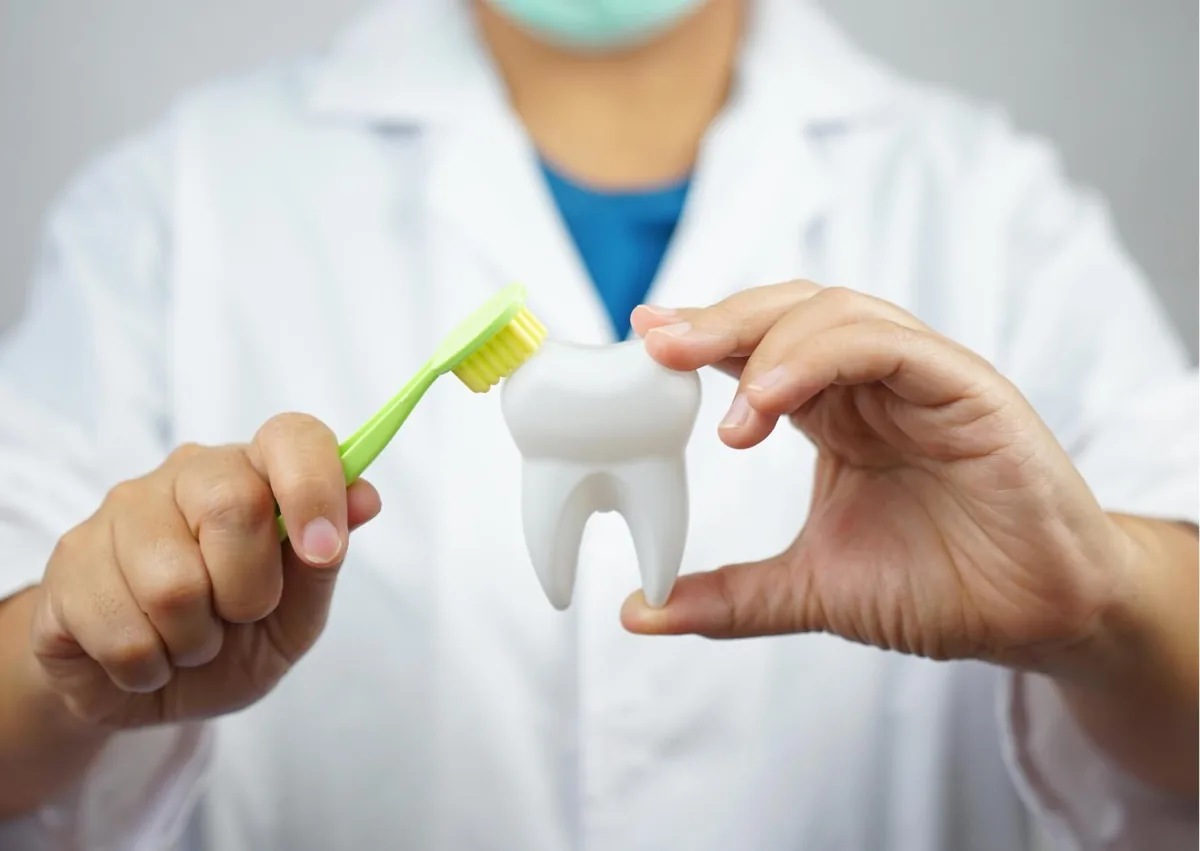
The best way to prevent cavities is to brush twice a day with fluoride toothpaste, clean between your teeth daily, limit frequent sugary or acidic foods and drinks, and keep up with regular preventive dentistry. These habits lower the acid attacks that weaken enamel and lead to tooth decay.
If you want to stop cavities before they start, preventive dentistry can help identify your risk factors and strengthen the areas most likely to decay. Cap Dental in Boynton Beach provides prevention-focused care that supports healthier enamel and fewer future dental problems.
Cavities form when bacteria in plaque use sugars and starches from food and drinks to make acid. That acid pulls minerals out of enamel, the hard outer layer of the tooth, and repeated attacks can eventually create a hole.
How often your teeth are exposed matters as much as how much sugar you consume. Frequent consumption of sweet foods, sipping sugary drinks, or constant snacking gives enamel less time to recover between acid attacks.
Early decay may not cause symptoms. As it worsens, you may notice white, brown, or black spots, sensitivity to sweets or temperature, pain when biting, or a visible pit in the tooth.
Brush for about two minutes twice a day, especially before bed, with a soft-bristled toothbrush and fluoride toothpaste. Fluoride helps replace lost minerals and may reverse early decay when damage is still limited to the enamel surface.
Use gentle strokes along the gumline and on every tooth surface. After brushing, spit out the excess toothpaste instead of rinsing hard with water so fluoride can stay on the teeth longer.
Replace your toothbrush or electric brush head every three to four months, or sooner if the bristles are frayed. Children should use an age-appropriate amount of fluoride toothpaste with supervision based on guidance from a dentist or pediatrician.
If cavity risk is higher, a dentist may recommend professional fluoride treatments & sealants for added protection.
A toothbrush cannot fully clean the tight spaces where teeth touch. Clean between your teeth once a day with floss, interdental brushes, or another dentist-recommended tool to remove plaque from these high-risk areas.
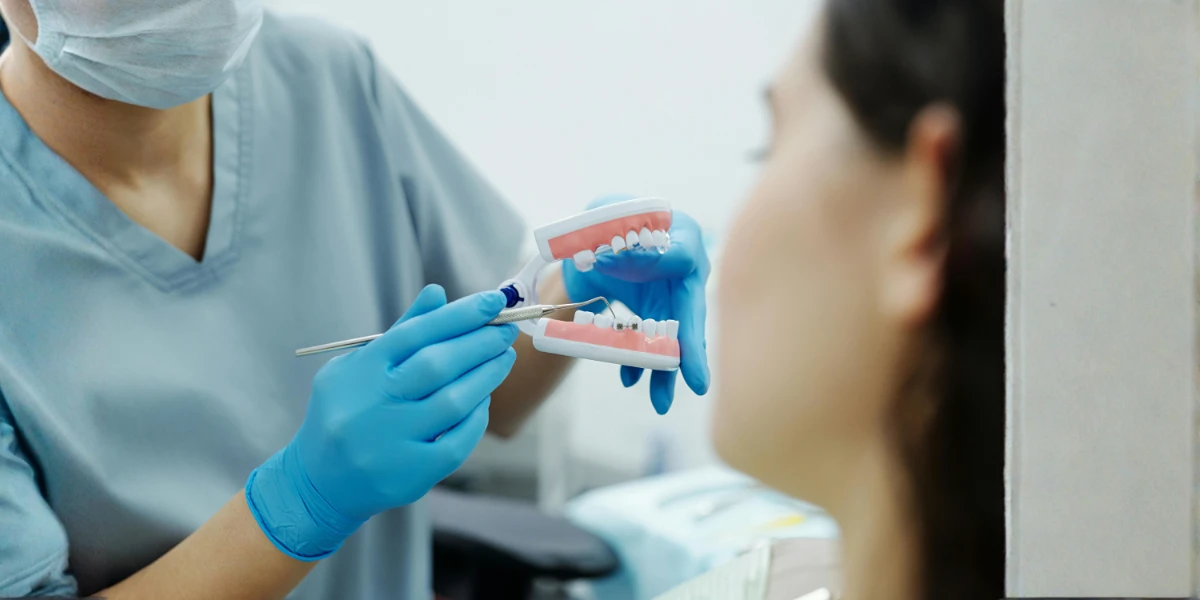
The best option is one you can use comfortably and consistently without hurting your gums. A dentist or hygienist can show you the right technique and suggest tools for braces, bridges, wider spaces, or limited hand dexterity.
Try to keep sugary foods and drinks with meals instead of having them many times throughout the day. Soda, sweetened coffee or tea, sports drinks, juice, candy, dried fruit, and sticky snacks can all raise cavity risk when exposure is frequent.
Choose water between meals, especially fluoridated tap water when available. Sugar-free gum may help stimulate saliva after eating, but it does not replace brushing or cleaning between teeth.
Acidic drinks can also soften enamel, including many sodas, citrus drinks, and sports drinks. Avoid swishing them around your mouth, and wait about 30 minutes before brushing after a strongly acidic drink.
Saliva helps protect teeth by washing away food particles, buffering acids, and supplying minerals to enamel. Dry mouth can result from medications, dehydration, medical conditions, or treatments such as radiation therapy, and it can significantly increase cavity risk.
Sip water regularly and talk with a dentist or medical clinician if dry mouth continues. Do not stop a prescribed medication on your own.
A dentist may suggest extra fluoride, saliva-support measures, or more frequent preventive visits based on your risk. Children and some adults may also benefit from fluoride treatments & sealants, especially on the deep grooves of back teeth where decay often starts.
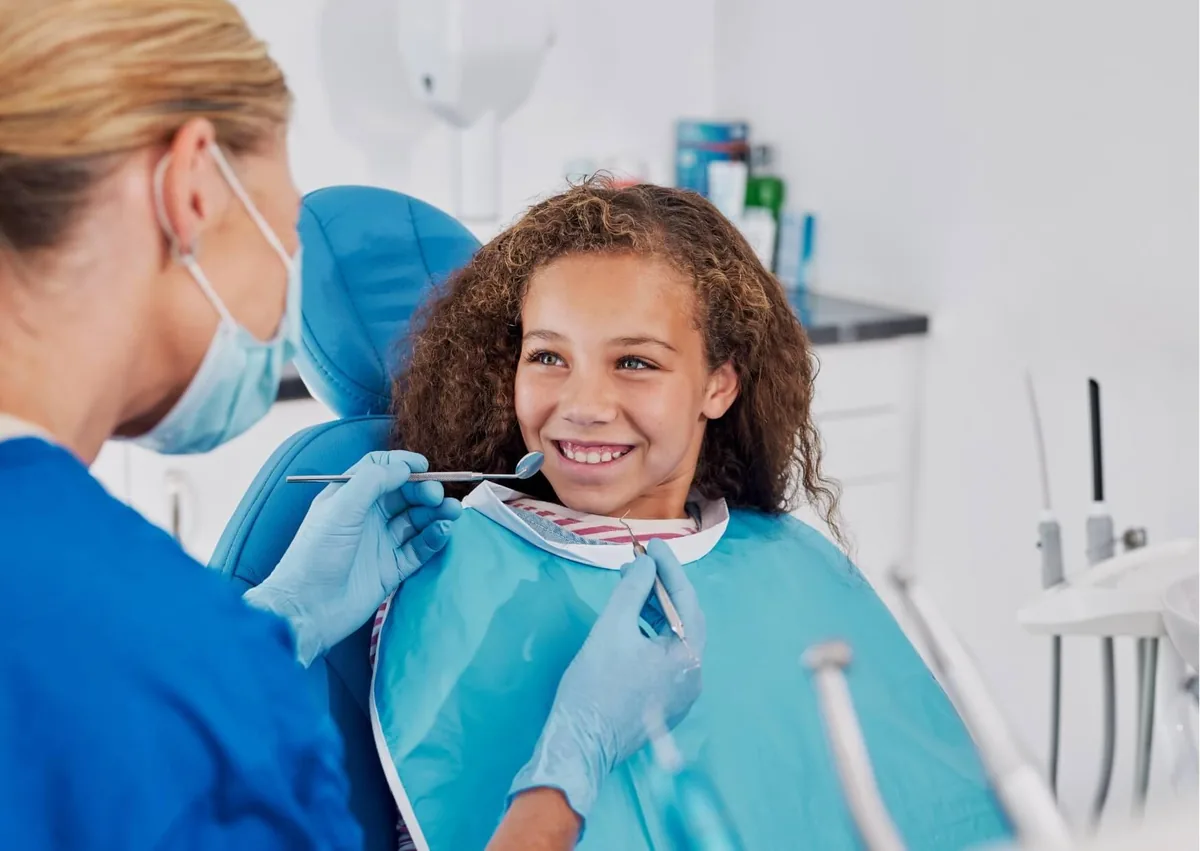
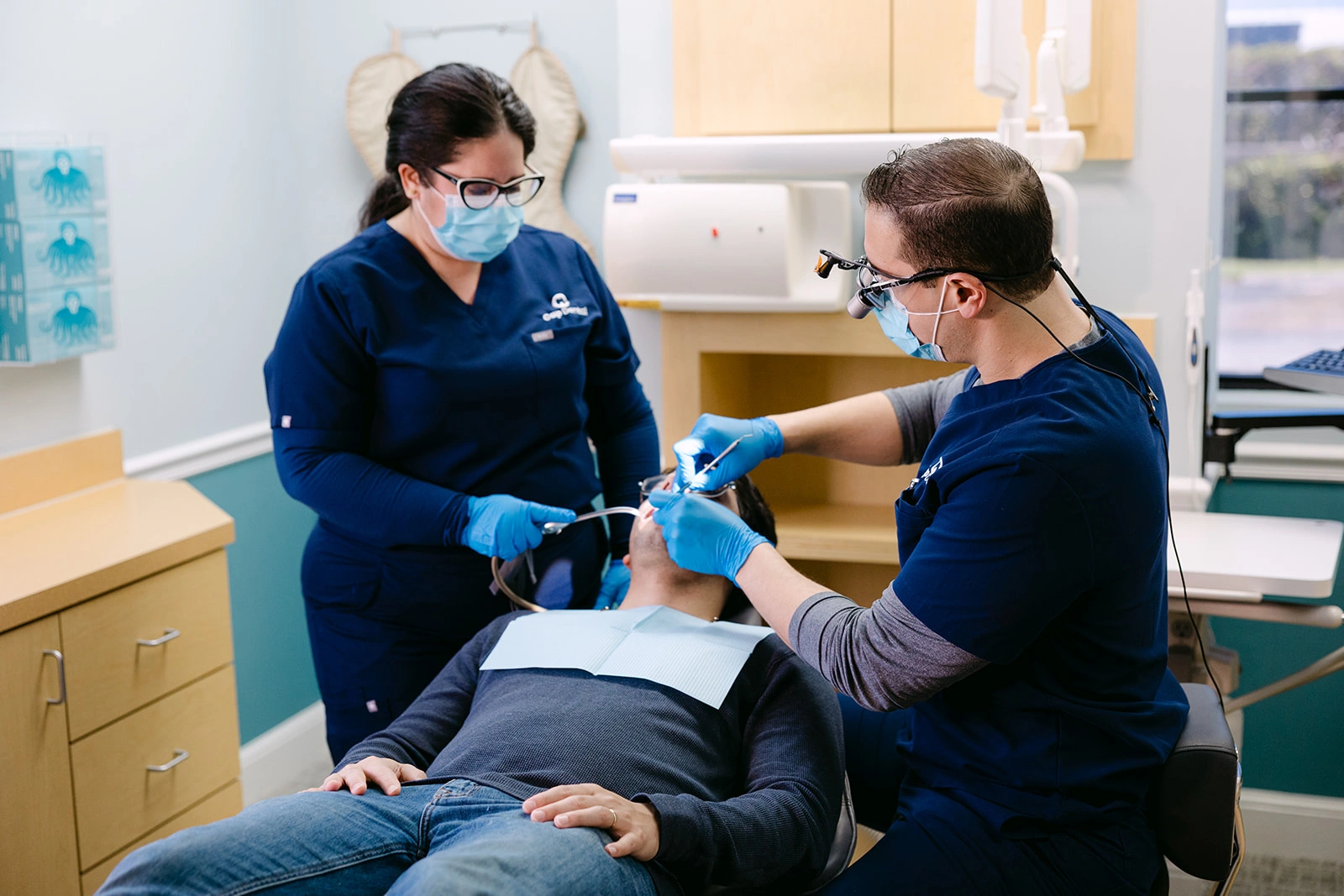
The right checkup schedule depends on your cavity history, gum health, age, diet, dry mouth, and other risk factors. Regular dental exams and appropriate X-rays can find decay between teeth or under existing dental work before it becomes painful.
Routine teeth cleaning removes plaque and tartar that contribute to cavities. These visits also give your dental team a chance to reinforce home care and adjust prevention based on any changes in risk.
Professional fluoride treatment may offer extra protection for people who are more likely to develop cavities. If early enamel damage is found, prompt care may help prevent or delay the need for a filling.
Schedule a dental evaluation if you have new or ongoing sensitivity, tooth pain, pain when biting, a visible pit or dark spot, a chipped filling, or food that keeps catching in one area. Do not wait for a cavity to hurt, because decay often stays painless until it reaches deeper parts of the tooth.
Seek urgent dental care for severe or worsening pain, swelling of the gums or face, fever with a dental problem, pus, or a bad taste that may mean drainage. Trouble breathing or swallowing, swelling near the eye or neck, or rapidly spreading facial swelling needs emergency medical care.
A dentist can assess your symptoms, estimate your cavity risk, and recommend prevention based on your teeth, fluoride exposure, diet, saliva flow, and medical history.
For personalized prevention and to address specific cavity risks, contact us to discuss a prevention plan and available treatments. Cap Dental focuses on preventive dentistry in Boynton Beach and nearby Lake Worth and Lantana; call (561) 560-8787 or book an appointment today.
Very early mineral loss may sometimes be stopped or reversed with fluoride, better plaque removal, and less sugar exposure. Once decay creates a physical hole in the tooth, the lost tooth structure usually cannot grow back and often needs treatment. See can a cavity heal itself.
Mouthwash is not a substitute for brushing with fluoride toothpaste or cleaning between teeth. A fluoride rinse may help some people, but the best product and timing depend on age and cavity risk.
Sugar-free drinks may be less likely to feed cavity-causing bacteria, but many are still acidic and can wear down enamel. Plain water is the safest everyday drink between meals.
Start cleaning as soon as the first tooth appears, use an age-appropriate amount of fluoride toothpaste, supervise brushing, and limit frequent sweet drinks or snacks. Children should also have regular dental visits based on their dentist’s recommendation. Learn more about your child's first dental visit.
Cavities can still happen if brushing misses certain surfaces or if frequent sugar exposure, dry mouth, deep grooves, low fluoride exposure, or older dental work increases risk. A dental evaluation can help identify the likely cause and refine your prevention plan.