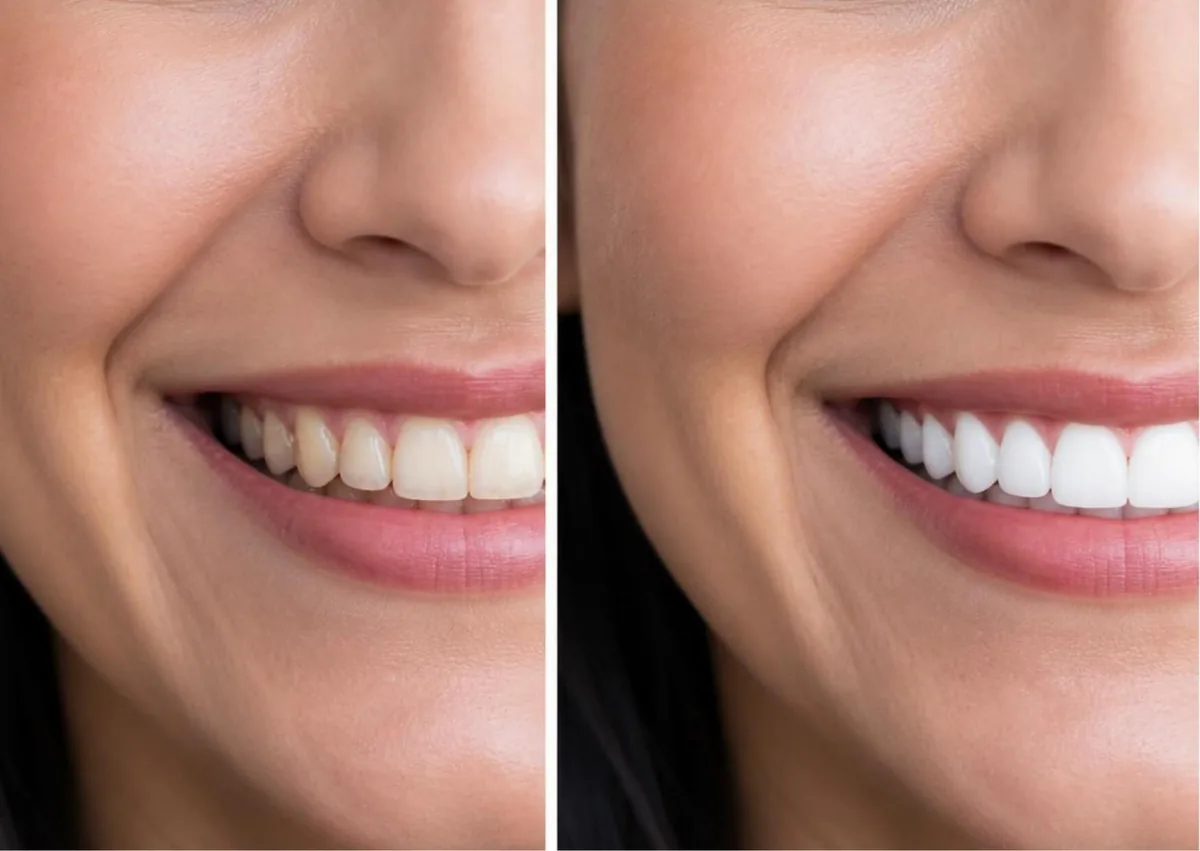
A smile makeover before and after comparison can show real improvement in tooth color, shape, spacing, alignment, and overall smile balance. Still, photos show what may be possible, not what every person will achieve, because results depend on oral health, facial features, treatment choices, and long-term maintenance.
If you're weighing changes to tooth color, shape, or alignment and want realistic expectations from a combined approach, a smile makeover can clarify what is possible for your unique mouth. Cap Dental in Boynton Beach, FL can help you explore conservative, function-first plans and show how proposed changes may look while keeping oral health and long-term predictability in mind.
A smile makeover is a customized mix of cosmetic and restorative dental treatments. Depending on the concern, it may include teeth whitening, bonding, veneers, crowns, orthodontic treatment, replacement of missing teeth, or gum contouring. If you're considering veneers, see understanding veneers for more detail.
Before-and-after photos can help you see changes in tooth proportions, color, symmetry, and smile balance. The most useful photos use similar lighting, angles, facial expression, and magnification so the comparison is fair.
Photos do not show everything. They cannot tell you whether the teeth and gums are healthy, how much tooth structure was changed, or whether the bite feels stable and comfortable. A sound treatment plan should protect oral health and function first.
People often seek treatment for staining, chipped edges, worn teeth, uneven tooth size, small gaps, mild crowding, old restorations, or missing teeth. Some cases also involve gumline unevenness, enamel erosion, recession, or bite problems.
The cause matters because similar-looking issues can need very different treatment. A dark tooth may come from surface stain, decay, prior trauma, or changes inside the tooth. Shorter teeth may point to grinding, acid erosion, or an unstable bite.
A dental evaluation usually includes an exam of the teeth and gums, a bite check, and X-rays when needed. Decay, active gum disease, infection, and uncontrolled grinding often need treatment before cosmetic work begins.
There is no single best treatment for every smile. Dentists often combine conservative cosmetic care with restorative or orthodontic treatment to improve appearance while preserving healthy tooth structure.
|
Treatment |
Often Addresses |
Practical Expectation |
|---|---|---|
|
External staining and generalized yellowing |
Lightens natural teeth but does not change the color of fillings, crowns, or veneers |
|
|
Dental bonding |
Small chips, narrow gaps, or minor shape concerns |
Usually requires limited tooth alteration but may stain or chip over time |
|
Color, shape, size, and selected mild alignment concerns |
Can create a durable change but usually requires some enamel preparation |
|
|
Crowns |
Heavily restored, cracked, weak, or significantly misshapen teeth |
Covers the full visible tooth and removes more tooth structure than a veneer |
|
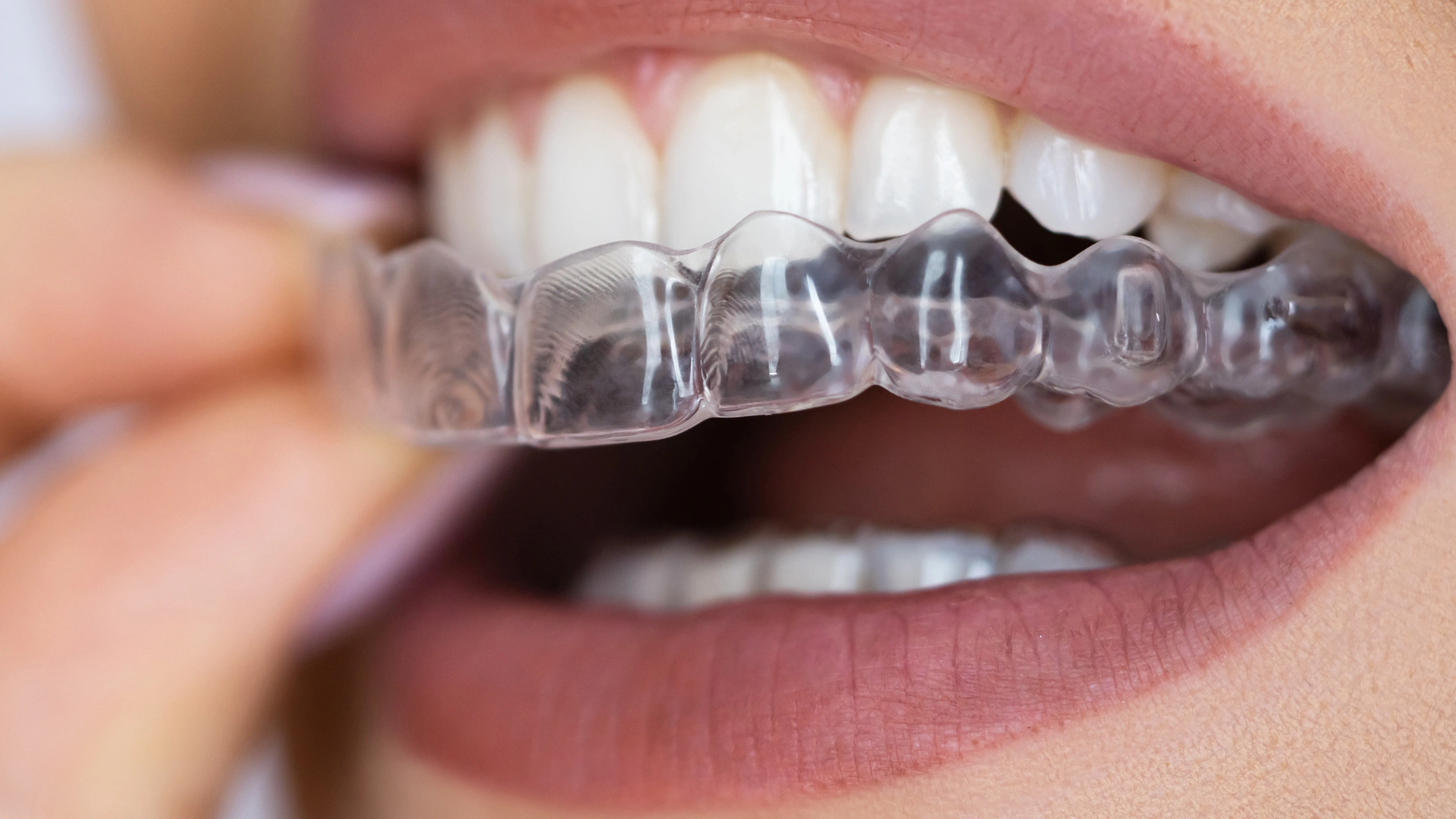
Clear aligners such as Invisalign or braces |
Crowding, spacing, and some bite problems |
Moves teeth rather than masking their position; treatment commonly takes months or longer |
|
Dental implants or bridges |
Missing teeth |
Restores the space after assessment of bone, gums, neighboring teeth, and bite (see dental implants pros and cons). |
|
Gum contouring |
Uneven gum lines or excess visible gum tissue |
Reshapes selected gum areas when periodontal health and anatomy permit |
A conservative plan may start with teeth whitening and then use bonding only where needed. See teeth whitening options to compare methods.
In other cases, orthodontic treatment can move teeth into healthier positions first. That may reduce the amount of reshaping needed later.
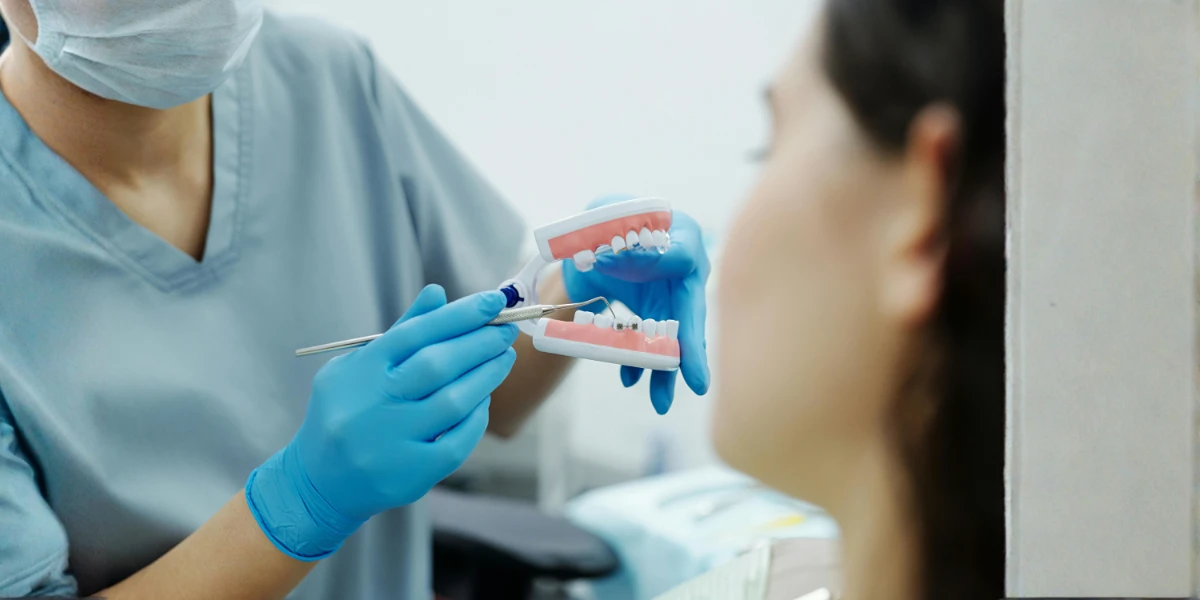
Planning should start with your goals, budget, timeline, and comfort with irreversible treatment. A dentist may use photos, scans, models, shade guides, digital previews, or a temporary mock-up to show the proposed direction.
Digital previews are helpful planning tools, but they are not guarantees. Final results can be affected by gum response, natural tooth anatomy, healing, material limits, and the way your lips move when you smile.
Ask which parts of the plan are reversible and how much natural tooth structure may need to be removed. It is also reasonable to ask whether orthodontics or bonding could provide a more conservative option, how long results may last, and what repairs may be needed over time.
Recovery depends on the procedures involved. Whitening may cause temporary sensitivity, bonding often involves little recovery, and gum procedures, implants, or multiple restorations may require longer healing and staged visits.
Some temperature sensitivity or mild soreness can happen after treatment and should usually improve. Contact the treating dentist if pain is severe, getting worse, lasting longer than expected, or happening with swelling, fever, drainage, a loose restoration, or a bite that feels clearly uneven.
Whitening is not permanent. Bonding, veneers, crowns, and implant restorations can also need repair or replacement over time, depending on the material, oral hygiene, bite forces, diet, grinding, tobacco use, and regular professional care.
To help protect results, brush twice a day with fluoride toothpaste, clean between the teeth daily, and keep recommended dental visits. Avoid using your teeth to open packages, and ask about a nightguard if grinding or clenching is suspected rather than buying one without a bite assessment.
Schedule a dental exam before making cosmetic changes, especially if a tooth has changed color suddenly, teeth seem to be getting shorter, gums bleed often, or restorations keep breaking. These signs can point to decay, trauma, gum disease, grinding, or erosion that should be evaluated first.
Seek prompt dental care for major tooth pain, facial or gum swelling, pus, fever, a knocked-out tooth, a badly fractured tooth, uncontrolled bleeding, or trouble opening the mouth. Trouble breathing or swallowing along with facial or neck swelling needs emergency care.
For elective treatment, consider a second opinion if the plan involves many teeth, extensive tooth reduction, or a major financial commitment. If implants are part of the plan, it also helps to review the cost of dental implants.
An individualized exam can clarify what changes are realistic, what risks apply, and whether a less invasive option could still give you a satisfying result.
To discuss a personalized plan and realistic before-and-after expectations, a consultation is the best next step to review your photos, discuss goals, and determine which conservative treatments will create predictable, maintainable results.
Call Cap Dental in Boynton Beach, FL to arrange a smile makeover consultation at (561) 560-8787 or book online for the same-day availability we often offer.
Treatment time can range from one or two visits for selected whitening or bonding cases to many months for orthodontics, implants, or staged restorative work. Healing time and the number of teeth involved also affect the schedule.
Many procedures cause little discomfort, and local anesthesia may be used when teeth or gums need preparation. Temporary sensitivity or soreness can happen, but severe or worsening pain is not an expected cosmetic outcome and should be checked.
No dental treatment stays unchanged forever. Natural teeth can stain or shift, and restorations can wear, chip, loosen, or need replacement, although good hygiene and grinding control can help results last longer.
Veneers are not right for every person or every tooth. Limited enamel, active decay or gum disease, severe grinding, extensive damage, or major alignment problems may make another option safer or more predictable.
Cost varies widely based on the procedures used, the number of teeth treated, materials, laboratory work, location, and case complexity. Cosmetic treatment is often not covered by dental insurance, while medically necessary restorative parts may receive partial coverage depending on the plan.